




The Pressure for Picture-Perfect Spaces
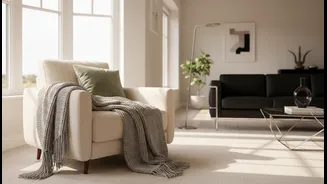
Scroll through any design feed online, and you'll be met with a sea of pristine, minimalist interiors. These spaces are often defined by neutral palettes, sharp lines, and an almost complete lack of personal clutter. For over a decade, this 'catalogue-perfect'
look has been the benchmark for a stylish home. However, designers and homeowners are beginning to react against this trend, feeling that such rigid perfection can make a home feel cold, impersonal, and more like a showroom than a place for living. The pressure to maintain a flawless space is unrealistic for most people and can create a subtle sense of unease. After all, a home is meant to be enjoyed, not just looked at.
The Psychology of a 'Lived-In' Home
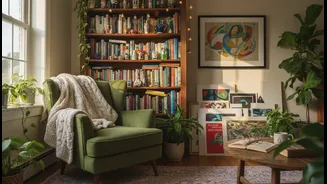
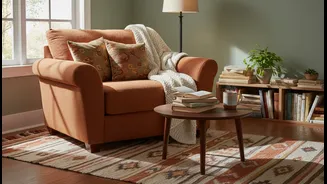
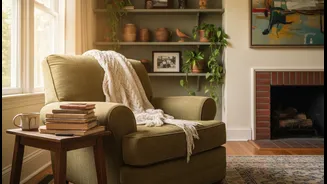
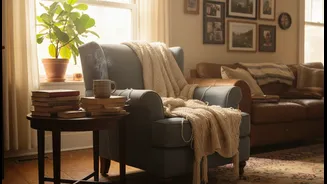
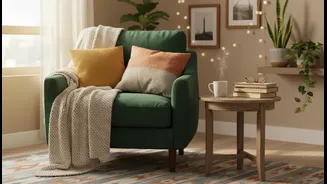
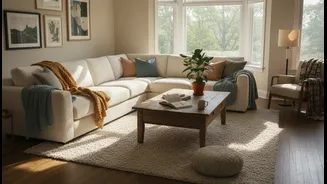
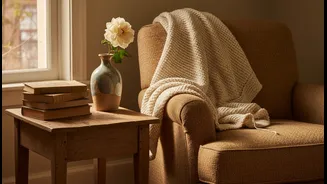
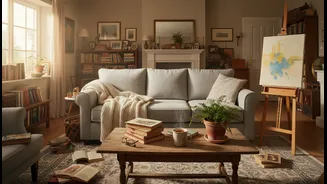
There's a deep psychological reason why we feel more at ease in spaces that show signs of life. A home with scuffs on the floor, a stack of well-loved books on the coffee table, and a fearless mix of throw pillows tells a story. These 'imperfections' are evidence of daily life, memories, and personality. A perfectly curated space can feel like a museum, creating a subconscious fear of disturbing the order. In contrast, a 'lived-in' home feels welcoming and reduces stress because it doesn't demand perfection from its inhabitants. It gives us permission to relax and be ourselves, transforming a house into a sanctuary. How we feel about our home has a greater impact on our well-being than its size or layout.
Wabi-Sabi: The Art of Finding Beauty in Flaws
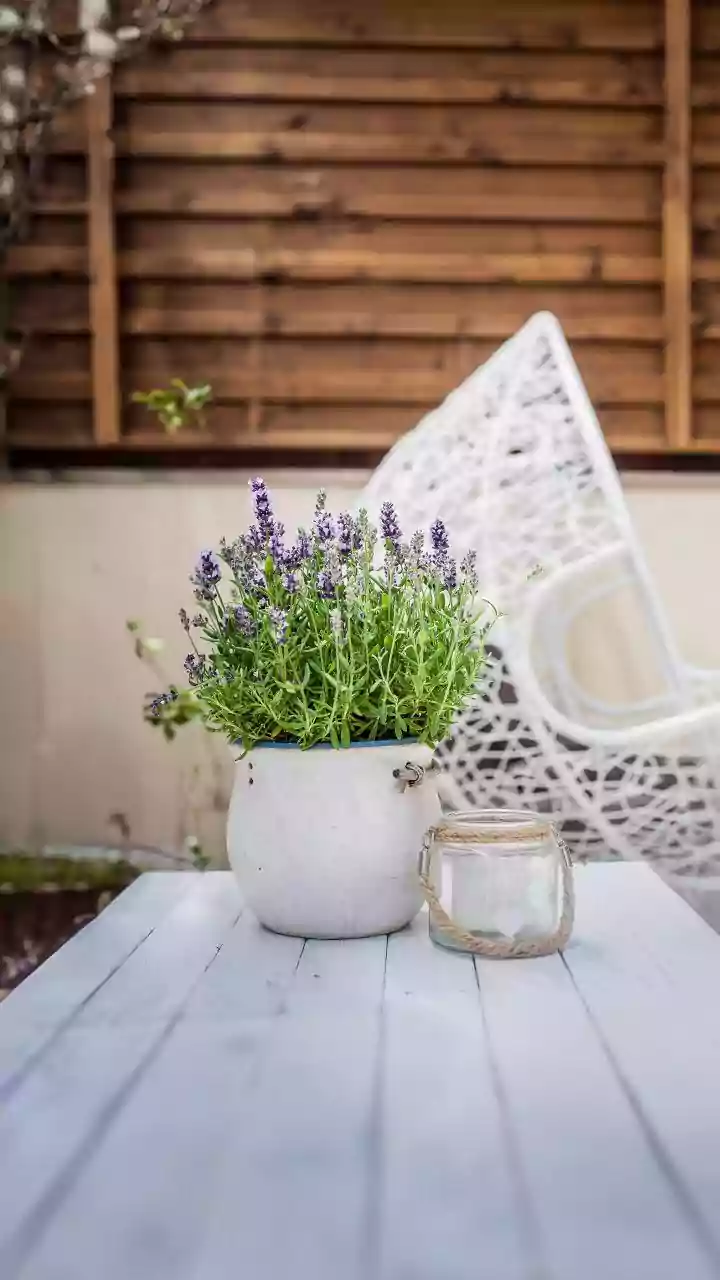
This growing appreciation for imperfection has deep roots in the Japanese philosophy of wabi-sabi. Originating from Zen Buddhism, wabi-sabi is the art of finding beauty in things that are imperfect, impermanent, and incomplete. In interior design, this translates to an appreciation for natural materials in their raw state, like wood with visible knots or stone with a rough finish. It celebrates the patina that develops on objects over time, the wrinkles in linen curtains, or the uneven glaze on a handmade ceramic bowl. This philosophy encourages us to see the history and character in our belongings, from a slightly worn rug to a chipped piece of pottery lovingly repaired—a practice known as kintsugi. It’s a move away from mass-produced uniformity towards authentic, one-of-a-kind pieces that make a space unique.
How to Thoughtfully Embrace Imperfection
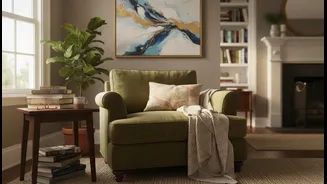
Creating a cosy, imperfect home isn't about letting go of design principles; it’s about applying them differently. Start by curating and displaying personal collections, whether it's family photos, travel mementos, or your favourite paperback books. These items are conversation starters that infuse your home with personality. Mix old and new pieces, such as a vintage armchair paired with a modern lamp, to create a sense that the space has evolved over time. Layering is also key. Combine different textures like wool, velvet, wood, and rattan to add depth and warmth. And don't shy away from asymmetry; an off-centre piece of art can make a room feel more dynamic and less rigid. The goal is to create a space that is collected, not just decorated.
A Home That Tells Your Story
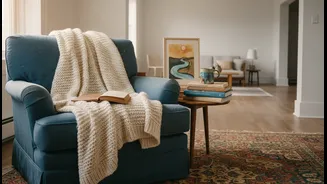
Ultimately, moving away from sterile minimalism towards a more 'lived-in' aesthetic is about authenticity. Trends like Japandi, which blends Japanese wabi-sabi with Scandinavian cosiness (hygge), highlight this desire for homes that feel both serene and warm. It’s about creating a space that reflects your life, your history, and your passions. An odd layout can become a creative opportunity for a cosy reading nook, and an antique piece of furniture with a few scratches holds more character than a brand-new item. Embracing imperfection allows your home to evolve with you, becoming a true extension of yourself rather than a replica of a fleeting trend.