



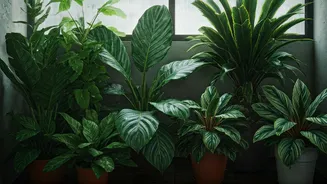


Essential Monsoon Gardening Tips
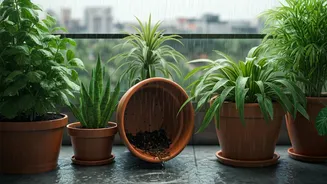
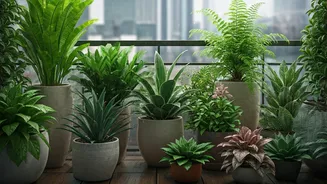
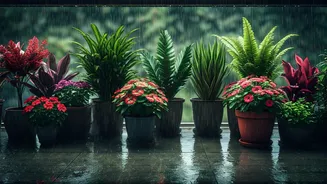
Before we dive into the plants, success in monsoon gardening hinges on a few key preparations. The most critical factor is drainage. [2, 6] Ensure every pot has clear drainage holes to prevent waterlogging, which can lead to root rot. [7] Using a well-draining
potting mix—a combination of garden soil, compost, and sand or cocopeat—is essential. [3, 6] It's also wise to elevate your pots on bricks or stands to help excess water escape freely. [2] For taller plants, providing support with stakes can prevent them from snapping in strong winds. [3] Finally, while the rain provides plenty of water, it's crucial to empty the drip trays beneath your pots to prevent mosquitoes from breeding. [2, 9]
Hibiscus (Gudhal)
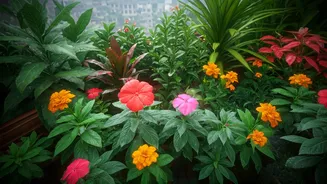
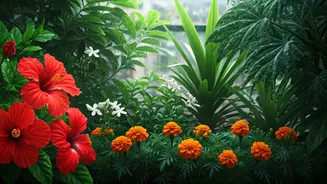
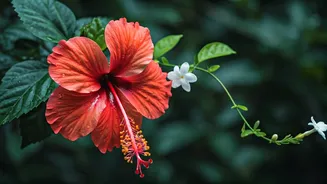
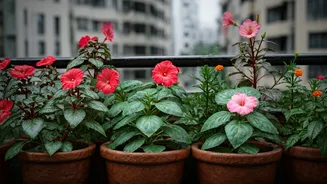
A quintessential Indian garden favourite, the Hibiscus truly comes alive during the monsoon. [7] These plants love humidity and respond to the rainy season by producing an abundance of large, vibrant flowers in shades of red, pink, yellow, and white. [2, 7] While they appreciate moisture, they must be planted in well-draining soil to avoid root rot. [7] Hibiscus plants do well in containers but require at least six hours of sunlight to bloom profusely, so place them in a brighter spot on your balcony. [5] The rapid growth spurred by the rains makes early monsoon an ideal time for pruning, which helps in shaping the plant and encouraging even more flowers. [7]
Jasmine (Mogra/Chameli)
There are few things more delightful than the fragrance of jasmine mixed with the smell of rain (petrichor). Jasmine varieties, especially Mogra (Arabian Jasmine), thrive in the humid conditions of the monsoon. [2, 8] These fragrant shrubs or vines adore the weather, producing an abundance of sweet-smelling white flowers. [2] They prefer bright sunlight but can manage in partial shade. [16] Ensure the pot has good drainage, as they don't like to sit in stagnant water. [16] With regular but not excessive watering, your balcony will be filled with their intoxicating scent throughout the season.
Rain Lily
As its name suggests, the Rain Lily (Zephyranthes) is a perfect monsoon flower. These small, bulbous plants have a magical quality: they often burst into bloom right after a shower of rain. [2, 3] Their delicate, star-shaped flowers in shades of pink, white, or yellow can transform a green space. Rain lilies are ideal for small pots and borders and are incredibly low-maintenance. They thrive in moist soil and are a charming addition that signals the arrival of the rains. [3]
Hardy Ferns
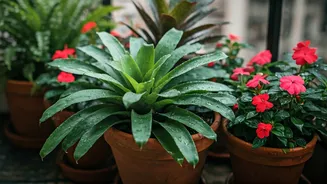
For the shadier corners of your balcony, ferns are an excellent choice. They bring a soft, lush, tropical aesthetic and the monsoon provides the perfect conditions for them to flourish. [7, 8] Species like the Boston fern or Sword fern love high humidity, indirect light, and consistent moisture. [7] It's important to plant them in porous, organic-rich soil. While they love moisture, good air circulation is key to preventing fungal issues, which can be a problem in humid weather. [7]
Areca Palm
To add a touch of tropical greenery and height to your balcony, the Areca Palm is a superb choice. [2, 8] These palms are relatively hardy and can tolerate the rain, provided their pots have excellent drainage. Their feathery fronds can sway in the wind without easily breaking, making them more resilient than some other broad-leaved plants. Areca Palms prefer bright, indirect sunlight and add a structural, elegant element to your balcony garden. [8]
Marigold (Genda)
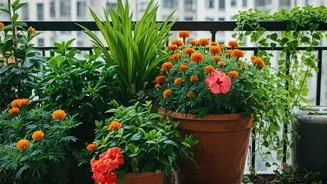
Bright, cheerful, and robust, Marigolds are a fantastic addition to a monsoon balcony. [3, 8] They are known to be pest-resistant and can even help repel mosquitoes, a common nuisance during the rainy season. [3] Marigolds love the rain and are easy to grow from seed, flowering profusely with minimal care. [8] They need plenty of sunlight to bloom well, so position them in a sunny spot. [5] Pinching off the dead flowers will encourage the plant to produce new buds, ensuring a continuous splash of colour. [5, 16]