







What Exactly Are Micro-Fulfilment Networks?
Think of a traditional warehouse—a massive, sprawling complex located on the outskirts of a city. Now, shrink it down, stock it with only the most popular products, and place it right in the middle of a dense urban neighbourhood. That’s a micro-fulfilment
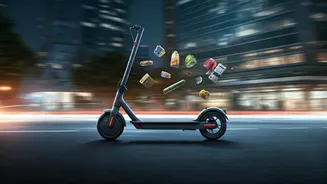
centre (MFC), also known in the industry as a 'dark store'. [5, 16] These are not retail shops open to the public; they are small, highly efficient spaces designed purely for processing online orders. [16, 22] A network of these MFCs allows companies to keep inventory incredibly close to customers, drastically cutting down the final and most expensive part of the delivery journey: the last mile. [9, 14, 17] Instead of a package travelling from a single, distant distribution hub, it travels just one or two kilometres from an MFC that services a specific, small radius. [5]
The Engine of India's Quick Commerce Boom
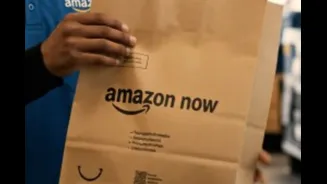
India's quick commerce (q-commerce) market is in a state of explosive growth, with consumers now expecting deliveries in as little as 10-30 minutes. [7] This dramatic shift in consumer expectations has been fueled by companies like Blinkit, Zepto, Swiggy Instamart, and BigBasket. [7, 21] Recently, e-commerce giants Amazon and Flipkart have also intensified their focus on this segment, rapidly expanding their own networks of MFCs to compete. [3, 11] Flipkart Minutes announced on June 24, 2026, that it had crossed 1,000 MFCs, while Amazon is scaling its 'Amazon Now' service with a plan for over 1,000 centres. [3, 4] This infrastructure is the backbone of the 10-minute promise. [5] Without a dense network of these dark stores, achieving such delivery speeds would be impossible, making them the critical infrastructure in a fiercely competitive market. [3, 6]
How It All Works
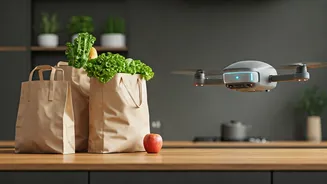
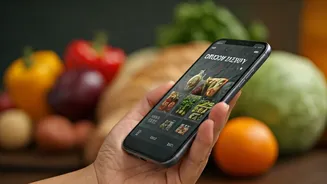
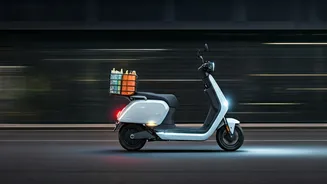
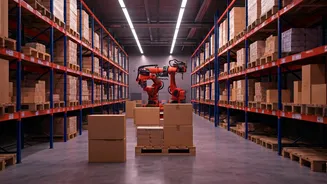
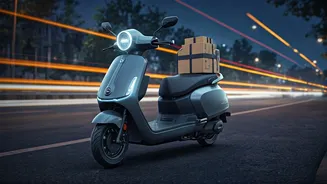
The process is a symphony of logistics and technology. When a customer places an order online, the system instantly identifies the nearest MFC that has the items in stock. [17] Inside the facility—which can range from 3,000 to 10,000 square feet—inventory is arranged for maximum efficiency, often with the help of automation. [5, 22] Software manages inventory in real-time, and in more advanced centres, robots may assist in picking and moving items. [16, 22] Once the order is picked and packed, it's handed off to a delivery rider who is already waiting nearby. Because the delivery radius is so small, typically just a few kilometres, the order can reach the customer's doorstep in minutes. [5] This model is especially effective in India's dense cities, where a large customer base and a deep labor pool make it viable. [5]
The Benefits Beyond Just Speed
While speed is the main selling point, MFCs offer other significant advantages. By decentralizing inventory and placing it closer to consumers, companies can reduce last-mile delivery costs, which can account for over half of total shipping expenses. [2, 13] This model also allows for better management of perishable goods like groceries and fresh produce, ensuring customers receive fresher products. For direct-to-consumer (D2C) brands, these networks provide an opportunity to reach a wide customer base without the massive investment required for their own physical stores. [12] The expansion of q-commerce into Tier 2 and Tier 3 cities, driven by players like Flipkart, shows MFCs are also making faster delivery accessible beyond the metros. [4, 12]
The High-Stakes Hurdles
Despite the benefits, the micro-fulfilment model is fraught with challenges. The primary hurdle is cost. Leasing real estate in prime urban locations is incredibly expensive, adding significant operational overhead. [6, 20] These companies also face intense logistical complexities, from managing inventory across hundreds of small sites to optimizing delivery routes in chaotic city traffic. [6, 15] The model operates on thin margins, often eroded by aggressive discounts and the high cost of paying a large fleet of delivery riders. [7] This has led to questions about the long-term financial sustainability of the quick commerce business model, as many companies operate at a loss despite growing order volumes. [5, 7]