



The Foundation: Cheaper Access to Orbit
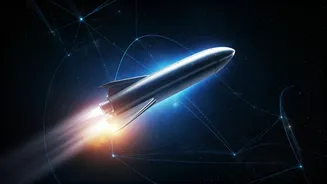
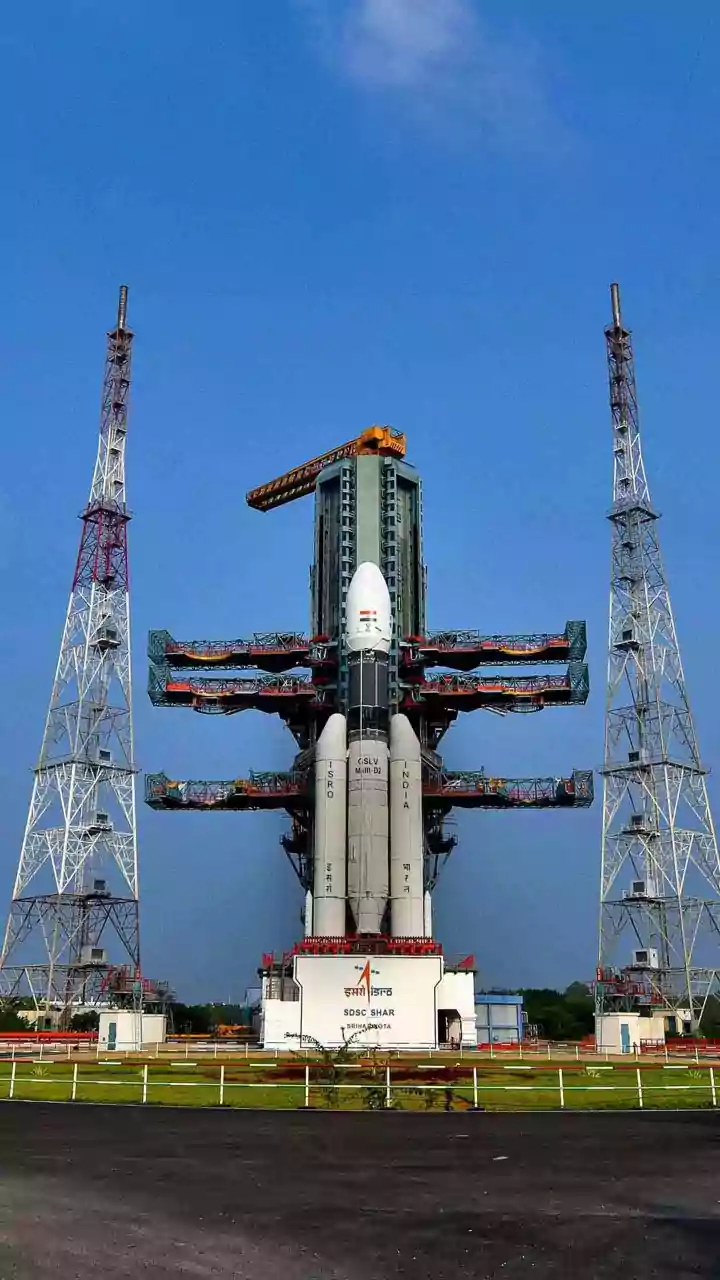
The single biggest driver of the commercial space boom is the dramatic reduction in launch costs, largely thanks to reusable rocket technology pioneered by companies like SpaceX. [2, 15] For decades, rockets were single-use machines, making space travel
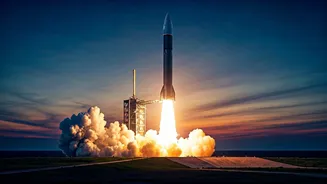
extraordinarily expensive. Imagine throwing away an entire airplane after one flight; that was the reality of space launches. [5] Today, reusable first-stage boosters can land themselves and be refurbished for another mission in a matter of weeks. [5] This has slashed the cost of sending a kilogram to Low Earth Orbit (LEO) by a factor of 20 compared to the Space Shuttle era. [4] A launch on a reusable Falcon 9 can be up to 70% cheaper than a traditional expendable rocket, bringing the price down from over $160 million to around $67 million. [3, 5] This affordability has unlocked opportunities that were previously financially impossible, creating the foundation for a vibrant new economy in orbit. [2]
The New Gold Rush: Satellites in LEO
Cheaper launches have enabled the most visible aspect of the new space race: the deployment of massive satellite constellations in LEO. [9] Companies are launching thousands of satellites to provide services directly to consumers, with satellite internet leading the charge. [10, 14] SpaceX's Starlink has already deployed over 7,000 satellites, providing broadband to millions, while Amazon's Project Kuiper is spending billions to build its own competing network. [14] This has shifted satellite manufacturing from building a few, exquisite school-bus-sized satellites to mass-producing hundreds of smaller, more affordable ones. [14] The demand for satellite-based services is exploding, supporting everything from telecommunications and GPS to climate monitoring and logistics. [8, 11] The global space economy reached $470 billion in early 2026, with commercial revenue making up nearly 80% of that total, a figure largely driven by the satellite industry. [6]
An Entire Ecosystem Is Emerging
The boom extends far beyond just rockets and satellites. A whole new ecosystem of startups and specialized companies is emerging to support the growing orbital economy. [11] This includes ventures focused on in-space servicing, assembly, and manufacturing (ISAM), a market that could be worth over $4 billion annually by 2030. [14] Companies are developing capabilities to refuel, repair, and upgrade satellites in orbit, treating them as long-term assets rather than disposable hardware. [14, 15] Others are focused on critical infrastructure like orbital debris removal, space situational awareness, and ground station services. [11, 18] This diversification shows the industry is maturing, moving from simply reaching space to building a sustainable, interconnected economy there. [9, 12] Investment continues to flow into these new ventures, signaling strong confidence in the sector's long-term growth. [16]
The Next Frontier: Tourism and Lunar Ambitions
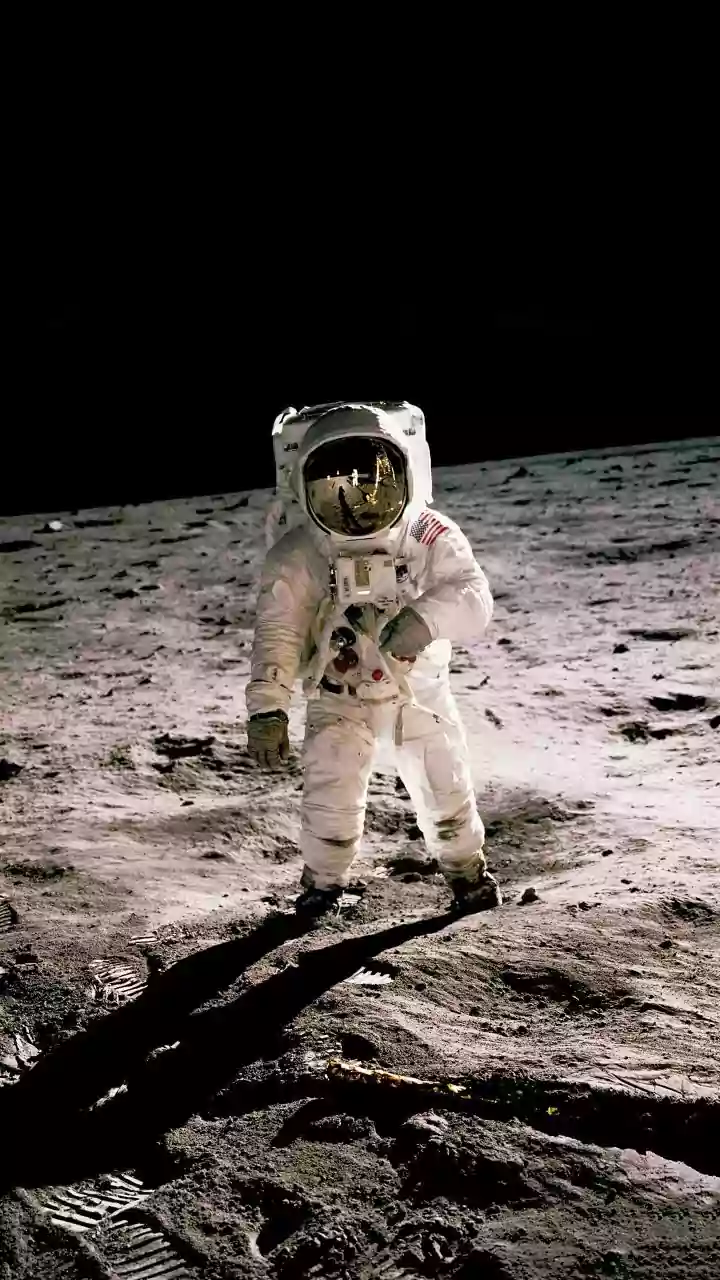
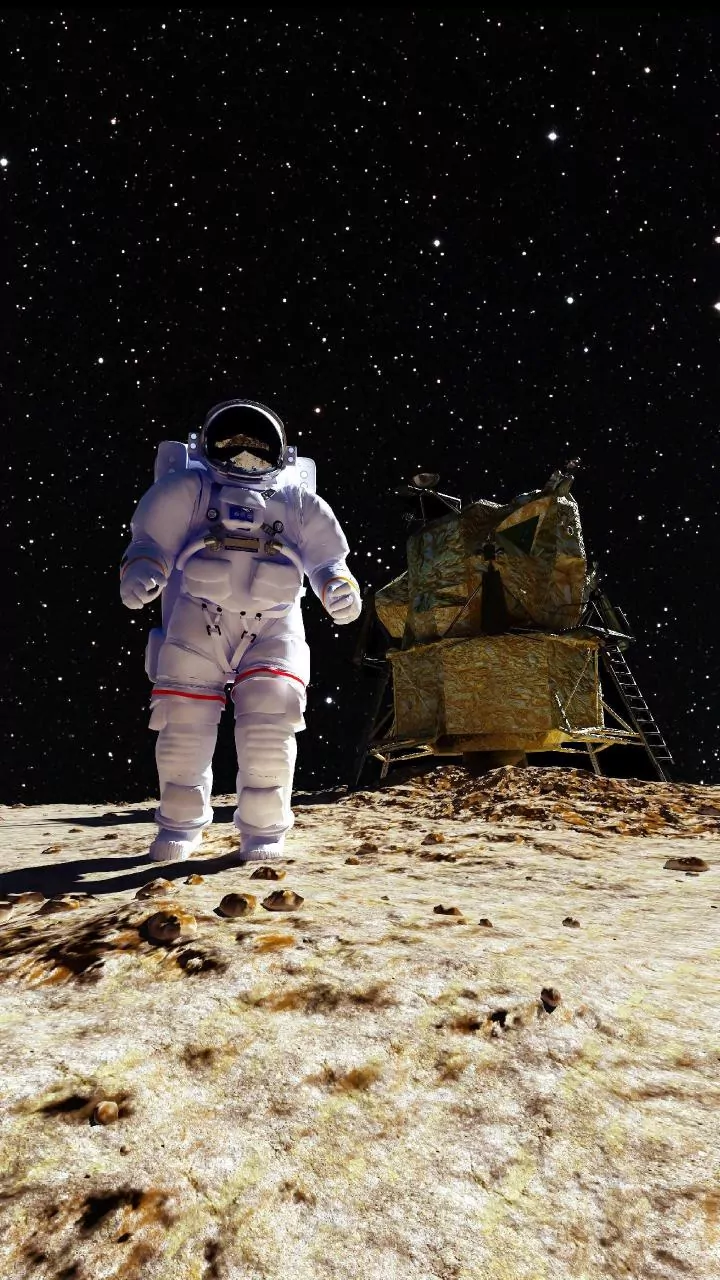
While LEO is bustling with commercial activity, companies are already setting their sights on the next frontiers: space tourism, commercial space stations, and the Moon. [15, 19] Suborbital tourism flights are offering paying customers a taste of space, while companies like Axiom Space and Vast are building the first private space stations, hoping to succeed the International Space Station which is slated for retirement around 2031. [7, 16, 21] Meanwhile, a new lunar economy is taking shape, spurred by NASA's Artemis program and its Commercial Lunar Payload Services (CLPS) initiative. [24, 27] NASA is contracting private companies to deliver scientific instruments, rovers, and other cargo to the Moon, laying the groundwork for a sustained human presence. [25, 27, 28] Companies like Blue Origin, Astrobotic, and Firefly are all developing landers and infrastructure to support these ambitions, turning science fiction into a viable business plan. [25, 26, 27]