






The Allure of the Outskirts
It’s a familiar story for anyone planning a trip. You compare hotel prices and find a clear pattern: the further you get from the main tourist hubs and business districts, the more affordable the rates become. A hotel in a central area of a city like
Mumbai or Delhi can be significantly more expensive than a comparable one in a suburban neighbourhood. This price difference can be tempting, freeing up your budget for meals, shopping, or sightseeing. Suburban hotels often promise a quieter stay away from the hustle and bustle, which can be an attractive proposition for travellers seeking peace and quiet after a long day of exploring. For budget-conscious tourists and backpackers, these savings are not just a bonus; they can be what makes the trip possible in the first place.
The Late-Night Reality Check
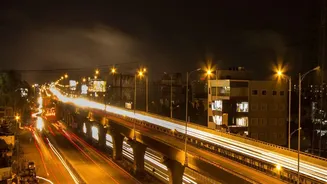
The problem arises when your day doesn't end at sunset. You might be out for a late dinner, attending a concert, or simply enjoying the nightlife. Suddenly, you’re faced with the challenge of getting back to your 'bargain' hotel. In many Indian cities, public transport like the Metro or local buses significantly reduces its frequency or stops running altogether late at night. While cities like Kolkata have reintroduced some night bus services and Mumbai's local trains and Metro offer a degree of late-night connectivity, these options may not serve every route or run as frequently as needed. This leaves you dependent on taxis or ride-hailing apps, and that's where the hidden costs begin to mount. These services often implement surge pricing during late hours, and night surcharges are common, sometimes adding a 25% premium to the fare.
Calculating the True Cost of Your Stay
A cheap hotel isn’t truly cheap if you spend all your savings on transportation. To understand the real value, you need to do some simple math before you book. First, estimate the price difference per night between the suburban hotel and a more central one you're considering. Multiply that by the number of nights you’re staying to get your total potential savings. Next, research the cost of transport. Check ride-hailing apps for fare estimates from the city centre to your potential hotel during late-night hours. Factor in at least one round trip per day. You might find that a couple of late-night taxi rides, with surge pricing and night charges of ₹200-₹300, can completely wipe out your accommodation savings. The real cost of your stay is not just the hotel bill, but the hotel bill plus the total cost of transport.
Beyond Money: The Hidden Currencies of Time and Safety
The drawbacks of a remote hotel aren't just financial. Your time is a valuable, non-refundable currency on any trip. Long commutes from the outskirts can eat up hours that could be spent enjoying your destination. Instead of a spontaneous decision to see one more sight, you're constantly checking the clock and worrying about the last bus or metro. Furthermore, personal safety is a major consideration. While many cities are improving, waiting for transport in a poorly lit or deserted area late at night can be a stressful experience. Surveys and anecdotal evidence often highlight that travellers, especially women, feel less safe using transport at night. The perceived safety of Mumbai's late-night transport is often contrasted with the anxieties people feel in other cities. A centrally located hotel provides the freedom to enjoy your evenings without the constant calculation of risk and travel time.
Making the Smart and Practical Choice
This doesn't mean you should never book a hotel on the outskirts. Sometimes, the savings are substantial enough to justify the transport costs, or the hotel itself offers unique amenities. The key is to make an informed decision. Before you book, use online maps to check distances and potential commute times. Research the last-mile connectivity: how will you get from the nearest metro or bus stop to your hotel, especially after dark? Read recent reviews from other travellers, paying close attention to comments about location and transport accessibility. Consider your itinerary. If you plan on having many late nights out, the convenience of a central location will likely outweigh the extra cost. If you prefer early nights, a suburban hotel might be perfectly practical. The goal is to find the right balance between cost, convenience, and comfort for your specific travel style.