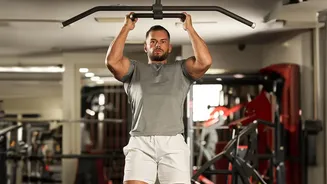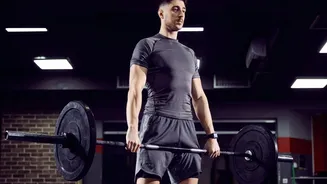







Not long ago, the weight room was seen as the exclusive domain of bodybuilders. Today, strength training is shedding its intimidating image and is now recognized as a cornerstone of a healthy lifestyle for everyone, at any age.
More Than Just Building Muscle
The conversation around
strength training has fundamentally changed. It's no longer just about aesthetics or building bulky muscles—a common myth that has long deterred many people, especially women. The reality is, strength training is a powerful tool for building a more resilient and capable body for everyday life. Think of it as 'functional fitness': the strength to carry groceries, play with your kids, or simply move through your day with more energy and less risk of injury. This shift in perspective frames strength training not as a vanity project, but as a crucial investment in your long-term health and independence.
The Science of a Stronger Life
The wellness community's embrace of strength training is backed by a mountain of scientific evidence. Health organizations like the World Health Organization now recommend muscle-strengthening activities at least two days a week for all adults. The benefits are extensive and impact nearly every system in the body. Regular resistance training helps manage and prevent chronic conditions like heart disease, type 2 diabetes, and arthritis by improving blood pressure, blood sugar control, and joint support. It boosts your metabolism because muscle tissue burns more calories at rest than fat, aiding in long-term weight management. Furthermore, it is critical for bone health, as the stress of lifting helps increase bone density, reducing the risk of osteoporosis, a condition to which women are particularly susceptible.
A Boost for Your Brain and Mood
Perhaps one of the most compelling reasons for its growing popularity is the profound impact on mental well-being. Many people find that a good workout helps them leave stress behind, and research confirms this. Strength training has been shown to reduce symptoms of anxiety and depression. Part of this comes from the endorphin release common to all exercise, but there’s another layer. The tangible nature of progress in strength training—lifting a slightly heavier weight, completing an extra repetition, or mastering a new movement—provides a powerful sense of accomplishment and self-esteem that can translate to confidence outside the gym.
Getting Started Is Easier Than You Think
The idea of starting can be the most intimidating part, but you don't need to become a powerlifter overnight. The key is consistency, not intensity. Experts suggest that just two 20- to 30-minute sessions a week can yield significant health and fitness benefits. You don't even need a gym membership. Effective strength training can be done at home using just your body weight with exercises like squats, pushups, and lunges. Resistance bands are another inexpensive and versatile tool. The goal for a beginner is to use a weight or resistance level that feels challenging enough to tire your muscles after about 12 to 15 repetitions, while always prioritizing proper form to prevent injury.