





The Living Traditions of Jagannath
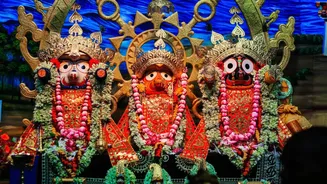
The Jagannath Temple is not just a monument; it's a living, breathing centre of faith where the deities are treated as living beings with a daily routine. [23] This concept is most visible during its iconic festivals. The annual Rath Yatra, or Chariot
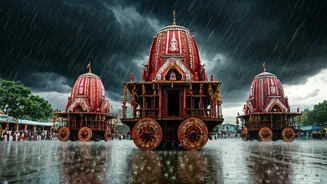
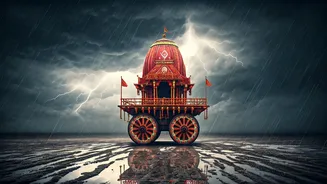
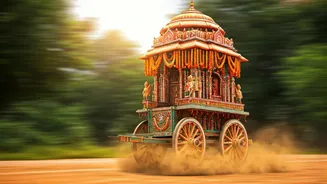
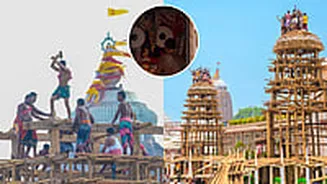
Festival, sees Lord Jagannath, his brother Balabhadra, and sister Subhadra journey from their main temple to the Gundicha Temple. [6, 12] This act symbolizes the divine coming out to meet the devotees, breaking barriers of caste and creed. [21, 23] Then there is the Nabakalebara, a deeply philosophical ritual that occurs every 12 to 19 years. [4, 9] It involves the recreation of the wooden idols, a symbolic death and rebirth that illustrates the eternal cycle of life and renewal. [5, 19] These rituals, rich in symbolism and community participation, form the heart of Jagannath culture. [23]
What is 'National Culture Content'?
Transforming a regional tradition into 'national culture content' is more than just a declaration; it's a process of organic adoption and appreciation across the country. Think of how Yoga, with its diverse regional roots, has become a symbol of Indian wellness globally. Similarly, the festival of Diwali, while celebrated with unique regional variations, is universally understood as a national event. Gaining this status means being integrated into the national consciousness through media, education, and popular culture. For Puri's rituals, this would mean people across India not only know of the Rath Yatra but also understand its significance as a festival of unity and devotion. [12] The Odisha government has already taken steps to preserve and promote this heritage, establishing funds and developing spiritual corridors to spotlight Jagannath culture. [10, 16, 18]
The Promise of a National Platform
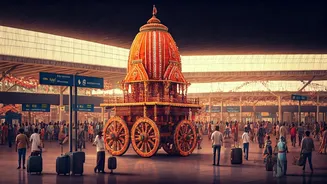
Elevating Puri's rituals to a national stage holds immense potential. For one, it could amplify the core messages of Jagannath culture—equality, unity, and universal love—to a much wider audience. [20, 22] The Rath Yatra is already a global spectacle, but deeper national integration could foster greater cultural understanding and pride. Such recognition would also inevitably boost tourism, not just as a commercial activity but as a form of pilgrimage, drawing people from all over the country to witness these traditions firsthand. This increased attention can provide resources for the preservation of the temple's intricate practices and support the communities of servitors who have maintained these rituals for generations. [23] By making these rituals a shared point of reference, it could strengthen the fabric of India's 'unity in diversity' ethos.
The Challenge of Authenticity
However, the path from regional treasure to national icon is fraught with challenges. One of the biggest risks is the dilution of meaning. [27] The rituals of Jagannath Temple are deeply complex, with layers of meaning understood primarily within their local, historical, and spiritual context. When packaged for a national audience, there is a danger of oversimplification, turning a profound spiritual event into mere spectacle. Commercialization can strip away the sanctity, and without proper understanding, rituals can be misinterpreted or misrepresented. There's also the challenge of 'who tells the story'. Ensuring that the narrative remains in the hands of the traditional custodians of the culture is crucial to maintaining its authenticity. The promotion of a regional culture can sometimes lead to tensions if not handled inclusively and with respect for its origins. [24, 26]
A Blueprint for Cultural Celebration
Ultimately, the case of Puri's rituals offers a fascinating blueprint for how India can celebrate its diverse heritage. The key lies in finding a balance between promotion and preservation. The goal shouldn't be to homogenize the culture but to foster genuine curiosity and respect for it across the nation. Initiatives like creating accessible digital archives, promoting educational content, and encouraging responsible cultural tourism can help share the essence of Jagannath's traditions without compromising their integrity. [25, 28] If successful, this approach could become a model for other unique regional cultures across India, from the Theyyam of Kerala to the Hornbill Festival of Nagaland, allowing them to gain national appreciation while retaining their distinct soul.