


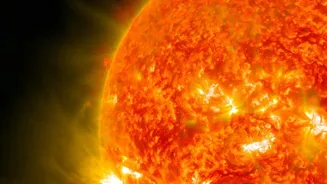

The Sun’s Violent Outbursts
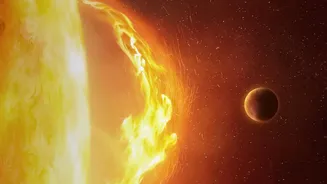
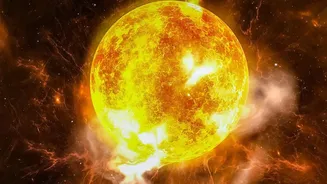
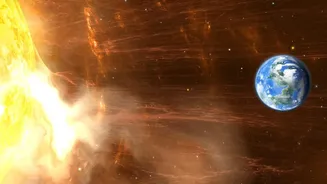
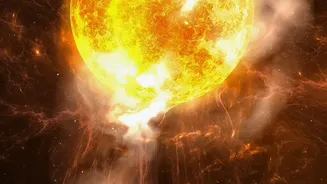
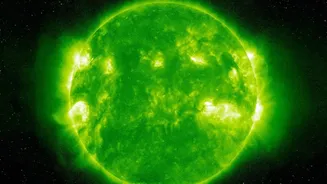
The Sun isn't always the calm, steady source of light we see. It periodically has violent outbursts, throwing massive clouds of charged particles and magnetic fields into space. These are known as Coronal Mass Ejections (CMEs), or more commonly, solar
storms. When a powerful storm heads towards Earth, it can wreak havoc. These events can damage or disable critical satellites used for communication and navigation, disrupt power grids leading to blackouts, and interfere with radio communications essential for aviation and shipping. Predicting when these storms will happen is crucial to protecting our increasingly digital infrastructure.
India’s Unblinking Eye in Space
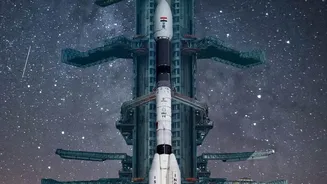
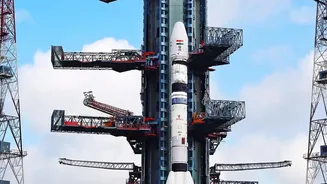
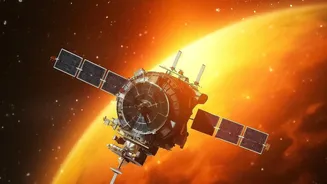
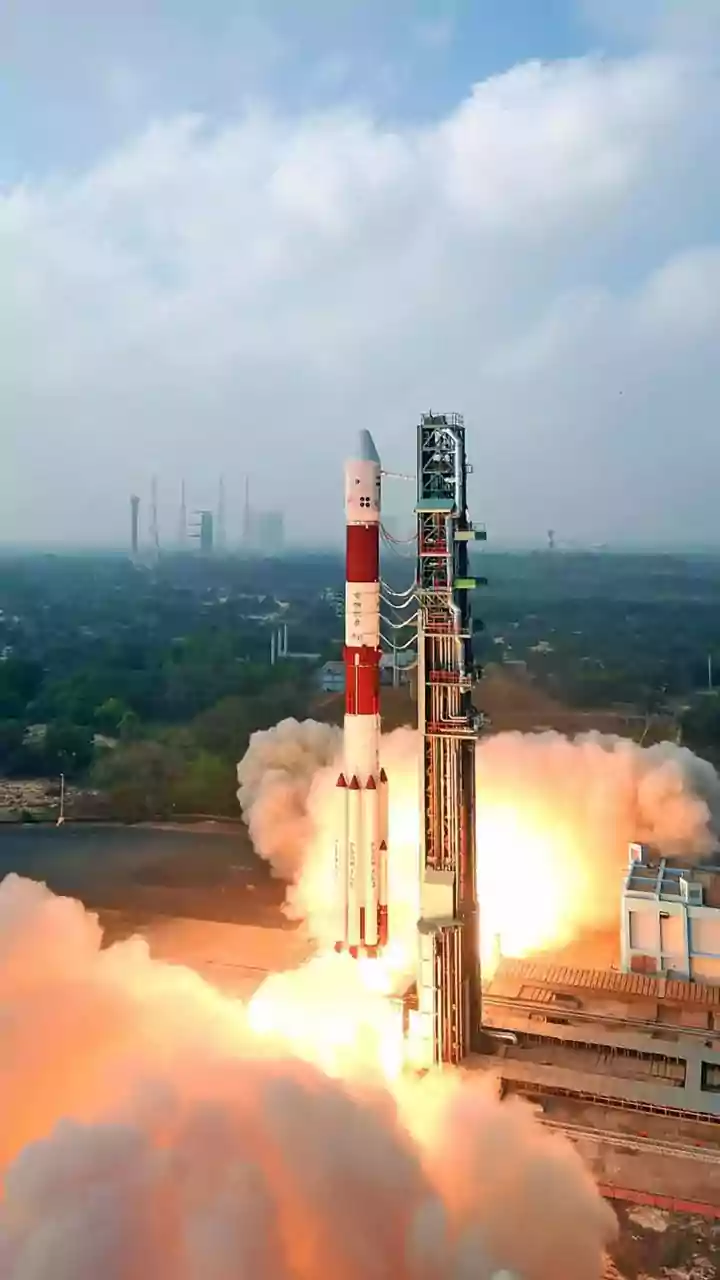
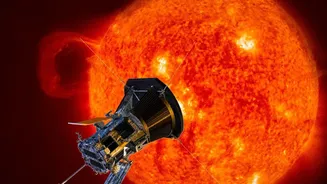
Launched by the Indian Space Research Organisation (ISRO), the Aditya L1 spacecraft is India’s first dedicated solar observatory. It is strategically positioned at Lagrange Point 1 (L1), about 1.5 million kilometres from Earth, a point where the gravitational pull of the Sun and Earth balance out. This unique vantage point allows the spacecraft to watch the Sun continuously, without any interruption from eclipses or Earth's shadow. This constant stream of observation is the first key ingredient for effective space weather forecasting, providing an invaluable early warning system.
Decoding Secrets of the Corona
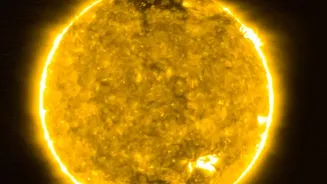
The key to predicting these storms lies in the Sun’s mysterious outer atmosphere, the corona. This region is millions of degrees hotter than the Sun's surface and is where solar storms originate. Aditya L1’s primary instrument, the Visible Emission Line Coronagraph (VELC), is designed specifically to study this region. It acts like an artificial eclipse, blocking the Sun's blindingly bright disk to get a clear view of the much fainter corona. By analysing the light from the corona, scientists can measure critical changes in its temperature, density, and velocity. It’s these sudden changes that act as tell-tale signs that a massive ejection of plasma might be about to occur.
From Data Points to Earthly Warnings
When VELC and other instruments on Aditya L1 detect concerning activity—like a rapid increase in temperature or turbulence in a specific region of the corona—that data is sent back to ISRO’s ground stations. Scientists analyse these observations to determine if a CME is building up. By tracking the speed and direction of an eruption, they can forecast if it is heading towards Earth. This process is becoming faster and more accurate with the help of artificial intelligence models, which can be trained on the vast amounts of data from Aditya L1 and other solar observatories to spot patterns that precede a storm. This capability transforms raw data into actionable warnings for satellite operators and power grid managers, giving them time to take protective measures.
The Unique Advantage of L1’s Data
What makes Aditya L1’s contribution so significant is its ability to see the very beginning of a solar storm's life. By observing the corona closer to the Sun's surface than many other space-based coronagraphs, VELC can capture the initial moments of a CME's launch. This provides more detailed information on the storm's potential strength and structure. Recent findings from Aditya L1 have already provided crucial insights into how the corona heats up and replenishes energy, a long-standing mystery in solar physics. Understanding these fundamental processes is not just academic; it directly improves the models used for space weather prediction, making forecasts more reliable.