

What is Organic Palm Jaggery?
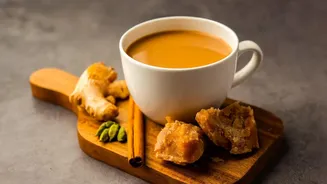
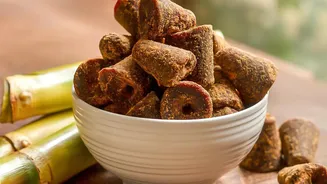
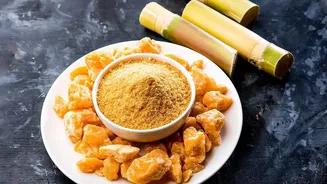
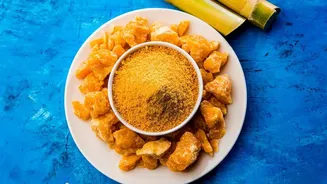
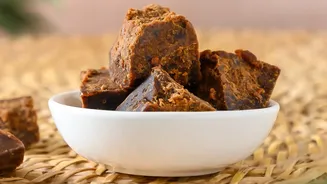
Known as 'Karupatti' in Tamil Nadu, palm jaggery is a natural, unrefined sweetener made from the sap of palm trees like the palmyra or date palm. The process is a testament to tradition: skilled tappers collect the sap, which is then boiled in large vats
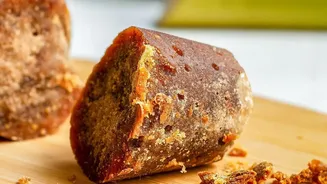
over firewood until it thickens into a rich, dark syrup. This syrup is then cooled and set into blocks. Unlike refined white sugar, organic palm jaggery undergoes no chemical processing, bleaching, or addition of preservatives. This minimal processing means it retains its natural molasses and a host of micronutrients that are stripped away from white sugar, giving it a deep brown colour and a complex flavour.
The Allure of a 'Guilt-Free' Sweetener
The term 'guilt-free' is resonating with health-conscious consumers, and palm jaggery fits the narrative. A key reason is its lower glycaemic index (GI) compared to white sugar—around 35-45 versus 65 for sugar. This means it releases energy more slowly, preventing the sharp spikes and crashes in blood sugar levels. While white sugar offers empty calories, palm jaggery contains trace minerals like iron, potassium, and magnesium, as well as antioxidants. Many bakers see it not just as a sweetener, but as a more wholesome ingredient. However, it's important to remember that it is still a form of sugar and contains a similar number of calories, so moderation remains key.
A Flavour That Transforms Desserts
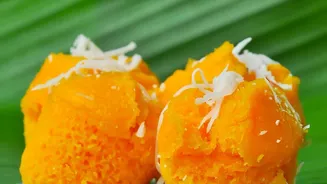
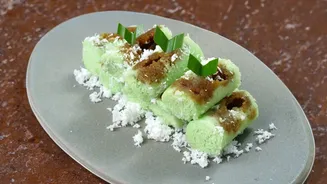
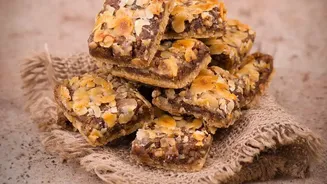
Beyond the health perceptions, the switch to palm jaggery is also driven by taste. It boasts a rich, complex flavour with notes of caramel, toffee, and a hint of smokiness that white sugar simply cannot replicate. This unique taste profile adds depth and character to baked goods. It pairs exceptionally well with chocolate in brownies, enhances the earthy notes in banana bread, and brings a traditional richness to cakes, cookies, and muffins. This move is part of a larger trend where Indian bakers are embracing local, traditional flavours and ingredients, from millets to regional spices, to create innovative desserts that are both modern and deeply rooted.
Tips for Baking with Palm Jaggery
Swapping sugar for palm jaggery isn't always a simple one-to-one substitution. Jaggery is generally less sweet than refined sugar, so you may need to use slightly more to achieve the same level of sweetness; a common guideline is to use about 1.25 cups of jaggery for every cup of sugar. Palm jaggery also has a higher moisture content, which can result in denser, moister bakes—a desirable quality in cakes and brownies. It is typically sold in solid blocks, which need to be grated or melted into a syrup before being incorporated into a batter. Straining the melted syrup is also recommended to remove any minor impurities. Its dark colour will naturally darken your bakes, and its robust flavour is a feature, so it works best in recipes where that caramel-like taste can shine.