

Understand What 'Speciality' Means
First, let's demystify the term. Unlike mass-produced teas, often found in tea bags containing finely cut leaves called 'dust' and 'fannings', speciality tea is all about quality and origin. It refers to high-grade, loose-leaf tea, often sourced from
a single estate or a specific region known for its unique 'terroir'—the combination of soil, altitude, and climate that gives the tea its distinct flavor. These teas consist of whole or partial leaves, handpicked to ensure only the best new growth is used. Think of it like the difference between a generic table wine and a fine wine from a celebrated vineyard; the attention to detail from cultivation to processing creates a far more nuanced and enjoyable experience.
Shop With Your Senses
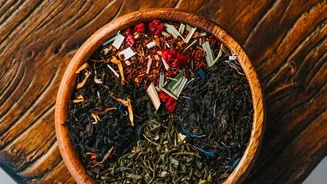
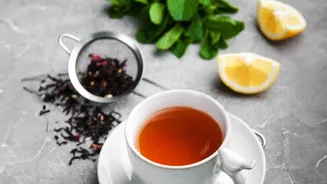
When buying speciality tea, especially loose-leaf varieties, engage all your senses. Look at the leaves: are they whole and well-preserved, or crushed and dusty? High-quality leaves should be largely intact. Next, inhale the aroma. The dry leaves should have a distinct, pleasant fragrance that hints at their flavor profile—be it floral, malty, or fruity. Visiting a dedicated tea boutique can be an immersive experience, where you can often see and smell the teas before you buy. Many boutiques even offer complimentary tastings guided by tea sommeliers who can explain the differences between a Darjeeling first flush and a robust Assam. This hands-on approach ensures you go home with a tea you truly love.
Explore the World of Natural Sweeteners
Moving beyond refined white sugar opens up a new dimension of flavor. Natural sweeteners don't just add sweetness; they complement and enhance the tea's inherent notes. Honey is a classic choice, with different varieties offering unique tastes; a light floral honey suits delicate green teas, while a richer, darker honey can stand up to a strong black tea. Maple syrup adds a warm, caramel-like richness that pairs wonderfully with spiced chai. For a traditional Indian touch, consider jaggery (gur), which imparts a deep, molasses-like sweetness. Even spices like cinnamon and cardamom can add a perception of sweetness without any sugar at all.
Master the Art of Pairing
The right sweetener can elevate a good cup of tea to a great one. The key is balance—you don't want to overpower the tea's natural flavor. For delicate, light teas like a Darjeeling Spring Flush or a white tea, a very light touch is needed. A mild acacia honey or a calorie-free option like stevia works well, as they sweeten without masking the floral notes. For bold and malty Assam black teas, which are the base for most masala chais, a robust sweetener like jaggery or a dark maple syrup is an excellent match. Fruity and herbal infusions can be enhanced with agave nectar or by adding pieces of dried fruit like dates or pineapple directly into your brew.
Brewing for Perfection
Your journey in speciality tea doesn't end with the purchase. How you brew your tea is crucial to unlocking its full potential. Even the finest, most expensive tea leaves can result in a bitter, disappointing cup if brewed incorrectly. Pay attention to two key factors: water temperature and steeping time. Delicate green and white teas require lower water temperatures to avoid scorching the leaves, while black and oolong teas can handle hotter water. Similarly, over-steeping is a common mistake that leads to bitterness. Most speciality teas will come with brewing recommendations—following them is the best way to ensure you're tasting the tea as the producer intended.