




The Tariff Transformation
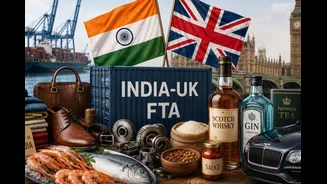
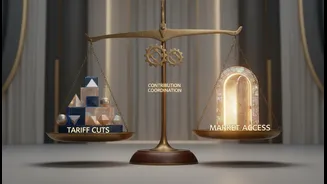
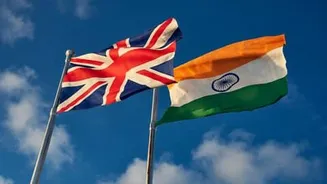
At its core, the trade deal is about making it cheaper to buy and sell goods between India and the UK by cutting tariffs, which are essentially import taxes. For Indian consumers, this means some iconic British products will become more affordable. The
tariff on Scotch whisky, for example, will be significantly reduced from 150% to 75% immediately, and will fall further to 40% over ten years. Similarly, the high import duties on luxury cars like Jaguar and Land Rover, currently up to 110%, will be phased down to 10% under a quota system. This means a wider range of premium vehicles could soon be within reach for more buyers. Other goods like certain chocolates, cosmetics, and perfumes from the UK are also expected to see price drops. For Indian exporters, the deal is even more significant. Nearly 99% of Indian goods, including textiles, leather goods, jewellery, and agricultural products, will get duty-free access to the UK market, eliminating tariffs that were as high as 16%. This should make Indian products more competitive and boost exports.
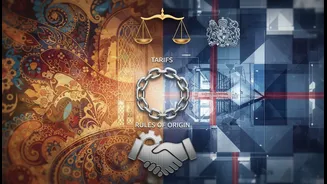
Decoding 'Rules of Origin'
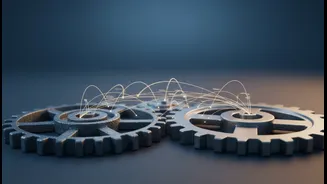
A crucial, but often overlooked, part of any free trade agreement is the 'Rules of Origin'. These rules determine a product's economic nationality and ensure that only goods genuinely made in India or the UK get the benefit of lower tariffs. Without them, a company could, for instance, import a product from a third country, perform a minor assembly or just repackage it in the UK, and then try to sell it in India under the new low-tariff regime. The India-UK deal has specific criteria to prevent this. To qualify for preferential treatment, a product must be 'wholly obtained' in one of the countries or have undergone 'substantial transformation'. For businesses, this means meticulous documentation is required. Indian exporters must prove their goods meet these origin criteria to access the UK's zero-duty benefits. This system is designed to support integrated supply chains between the two nations and ensure the economic advantages of the deal stay within the partner countries.
A Win for Indian Professionals
One of the most significant victories for India in this agreement is the provision on social security contributions. Previously, Indian professionals sent by their companies to work in the UK on temporary assignments were often required to contribute to the UK's National Insurance system. However, many would not stay long enough to qualify for any benefits, effectively losing that money. The new Double Contribution Convention, which comes into force with the trade deal, changes this. Now, Indian professionals on assignments of up to five years can continue paying into their Indian provident fund (EPF) and will be exempt from making social security contributions in the UK. This provides huge relief for both employees and their employers, particularly in the IT sector where such short-term deployments are common. Industry estimates suggest this move could save Indian companies hundreds of millions of dollars annually, freeing up capital and making it less costly to move skilled talent between the two countries.
The Bigger Picture and Road Ahead
While tariffs and social security are major components, the agreement covers 30 chapters, touching on everything from digital trade and government procurement to environmental standards. The goal is ambitious: to nearly double bilateral trade to $100 billion by 2030. The pact gives Indian farmers and fishermen improved access to the UK's large agricultural market and opens doors for manufacturers of machinery, electronics, and auto components. However, India has also protected sensitive domestic sectors. For example, preferential access for British electric vehicles will only be phased in after five years, giving Indian EV manufacturers a protective window. Likewise, key areas like dairy, certain cereals, and gold have been excluded from major tariff concessions. The deal represents a major step in India's strategy to forge deeper economic partnerships with key global economies and integrate further into global value chains.