





A Monsoon Missing in Action
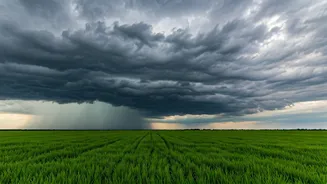
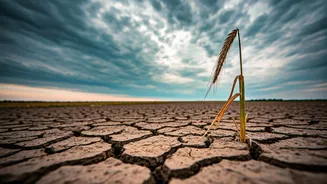
The biggest agricultural story of this rainy season is one of a dangerous delay and deficit. June 2026 has been recorded as one of the driest in over a century, with the country facing a nationwide rainfall deficit of nearly 40 percent. This alarming
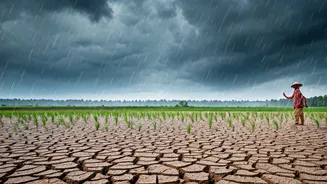
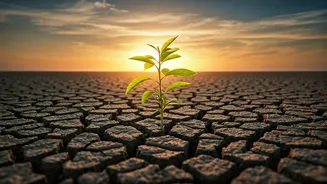
shortfall isn't localized; central, southern, and northwestern regions have all been left waiting for significant rain. This widespread dry spell, attributed by meteorologists to a strengthening El Niño phenomenon, has set a worrying tone for the crucial Kharif sowing season, which depends almost entirely on the timeliness and bounty of the monsoon. For millions of farmers, the season has begun not with the promise of cultivation but with the anxiety of empty fields and uncertain skies.
The Kharif Sowing Crisis
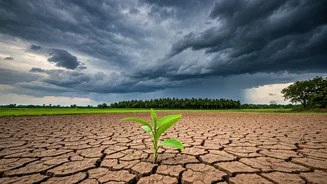
The direct consequence of the weak monsoon is a dramatic slump in agricultural activity. Across the country, the sowing of essential Kharif crops has plummeted. As of late June, overall sowing is down by a staggering 23 percent compared to the same period last year. Farmers are understandably hesitant to risk planting seeds in soil that lacks the necessary moisture for germination. The government has even advised farmers to postpone sowing until a substantial amount of rainfall accumulates, highlighting the severity of the situation. This has led to a nationwide pause at a time when fields should be bustling, creating a significant lag that will be difficult to overcome even if rains pick up.
Impact Across the Food Basket
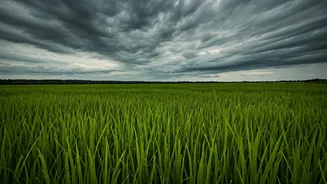
This sowing deficit is not uniform; it's a crisis affecting nearly every major crop that fills the nation's plates. The area under paddy, India's main food staple, is down by around 25 percent. Pulses, a critical source of protein, have seen sowing fall by over 30 percent. The situation is even more dire for oilseeds, where the sown area has been slashed by more than half, with soybean cultivation in particular seeing a massive contraction. Cotton, a vital cash crop for many farmers, has also seen its acreage shrink by about 35 percent. Even traditionally resilient crops like millets have not been spared, recording a decline in planting. This across-the-board reduction paints a grim picture for future harvests.
What This Means for You
The story of a failed monsoon is never confined to the farm. It has direct implications for every household in India. A poor Kharif harvest could strain food supplies and lead to lower incomes in the vast rural economy, which in turn could dampen overall economic growth. For urban consumers, the most immediate impact could be felt in the form of rising food prices. Lower production of pulses and oilseeds, in particular, often translates to higher inflation at the retail level. While India maintains buffer stocks of key grains, a significant production shortfall this year could put pressure on those reserves and impact the country's agricultural trade balance. The coming weeks of July are now critical; a significant revival in monsoon rains is needed to salvage the season and mitigate a potential economic shockwave.