



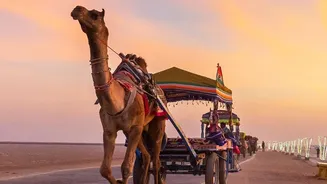
A Spectacle of Commerce and Culture
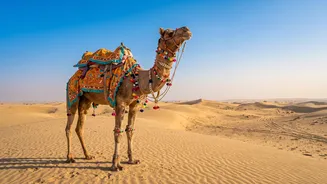
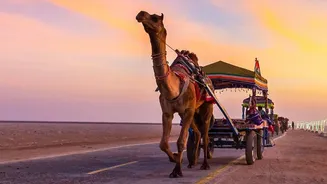
At its core, the Pushkar Mela, or Pushkar Fair, is a centuries-old tradition rooted in the livestock trade. For generations, camel and horse traders from across Rajasthan and neighbouring states have converged on the dunes outside this holy town to do
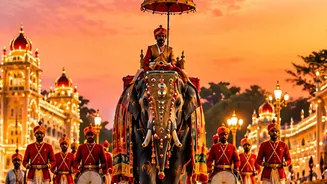
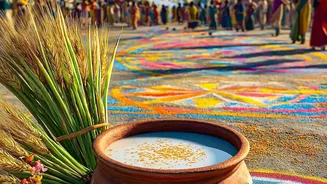
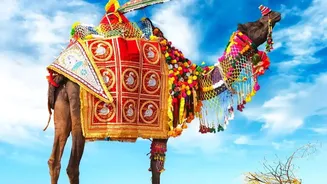
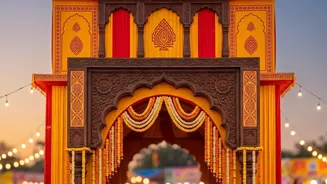
business. This year, the fair kicked off on November 17, transforming the quiet desert landscape into a sprawling marketplace. While the sight of thousands of decorated camels remains a central draw, the event has evolved into something much larger. It is now a full-blown cultural festival, attracting photographers, tourists, and spiritual seekers from around the globe who come to witness a unique blend of commerce and cultural celebration. The initial days are focused on the livestock trade, but as the fair progresses, it morphs into a vibrant carnival.
The Sacred Pull of Kartik Purnima
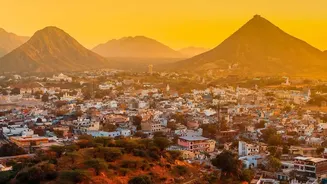
The fair's timing is no coincidence. It is strategically aligned with the Hindu lunar month of Kartik, culminating on the full moon night, or Kartik Purnima. In 2026, this sacred day falls on November 24, the final day of the event. This day holds immense spiritual significance for Hindus, who believe that taking a holy dip in the Pushkar Lake on Kartik Purnima cleanses sins and brings blessings. Pushkar is one of the oldest towns in India and is home to one of the world's few temples dedicated to the Hindu creator-god, Brahma. Pilgrims flock to the town's 52 bathing ghats to perform religious rituals, offer prayers, and participate in the 'maha aarti', an evening ceremony of lights and chants that creates a mesmerising atmosphere on the banks of the lake.
Unmissable Events in the Final Days
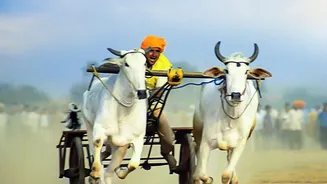
As the fair heads towards its grand finale, the schedule is packed with exciting events. While the serious livestock trading winds down, the focus shifts entirely to festivities and competitions. Visitors in the final week can still witness thrilling camel and horse races, which are a huge draw for crowds. Other quirky and entertaining contests include the 'matka phod' (pot-breaking competition), a longest moustache competition that showcases impressive facial hair, and even a bridal competition. Evenings are filled with captivating cultural performances, featuring Rajasthani folk musicians and dancers performing traditional arts like the Kalbelia dance. These events offer a fantastic glimpse into the region's rich cultural tapestry and are a photographer's delight.
More Than Just Camels
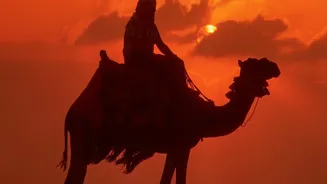
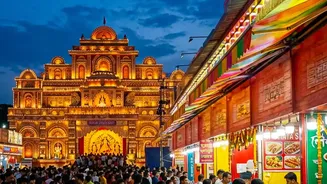
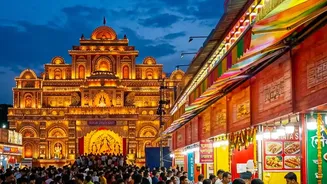
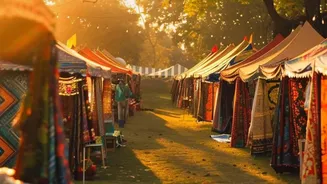
While the camels are the stars, the Pushkar Mela offers a sensory overload of other attractions. A massive, bustling market springs up, where you can find everything from intricate silver jewellery and colourful textiles to handcrafted leather goods and traditional Rajasthani puppets. For a truly unforgettable view, take a hot air balloon ride at sunrise to see the entire fairground from above—a sea of people, tents, and camels against the desert backdrop. For the adventurous, camel safaris into the surrounding dunes are a popular activity. The fair also features a variety of food stalls serving authentic Rajasthani cuisine, giving visitors a chance to savour local delicacies like 'dal baati churma'. Ferris wheels and other fairground rides add to the carnival-like atmosphere.
A Guide for a Last-Minute Trip
If you're considering a spontaneous trip to catch the end of the Mela, planning is key. The nearest major railway station is Ajmer, located about 15 kilometres away, from where you can easily get a taxi or a local bus. The closest airport is in Jaipur, roughly 150 kilometres from Pushkar. Accommodation is the biggest challenge, as hotels are often booked months in advance. However, you might find availability in the luxury and standard desert tents set up specifically for the fair, offering an immersive experience. When at the fair, wear comfortable walking shoes and modest attire, especially if you plan to visit the temples. Be prepared for large crowds, particularly on the final days leading up to Kartik Purnima.