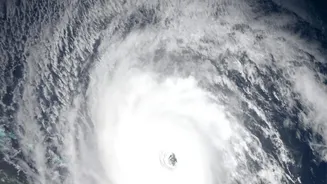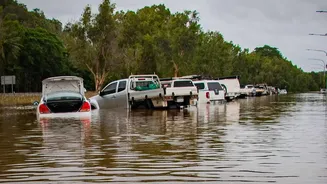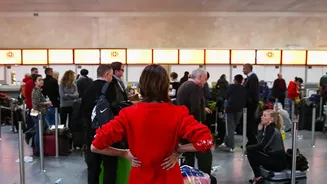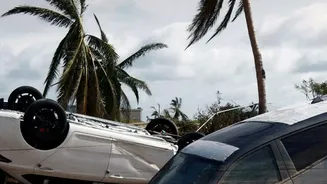






As Cyclone Arnab causes widespread flight and train cancellations, many are turning to rental cars. Amid the chaos, it's crucial to be cautious. This guide provides the essential steps to verify your car rental service and ensure your safety on the road.
Confirm the Company’s Legitimacy
In the rush to find alternative transport, it’s easy to overlook basic checks, but verifying the rental company is your first line of defense. Start by researching the company's reputation online. Look for independent reviews on multiple platforms, not just testimonials on their own site. A legitimate business should have a professional website with a physical address and a landline number, not just a mobile. Cross-reference the company name on the booking platform with the one on the payment request and rental agreement; any discrepancies are a major red flag. Be wary of deals that seem too good to be true, as these are often used to lure customers before adding significant hidden fees. A trusted provider will have transparent pricing and a verifiable business identity.
Scrutinise All Documentation
Before you pay or sign anything, carefully read the entire rental agreement. Pay close attention to the fine print regarding mileage limits, fuel policies, and late return fees. Ensure your name and the names of any other authorised drivers are listed correctly. You will need to provide a valid driving licence, an identity proof like an Aadhaar card or passport, and often a PAN card for the security deposit. Foreign nationals must have an International Driving Permit (IDP) along with their home country's licence. Confirm the requirements with the company beforehand to avoid any last-minute issues. A reputable company will have clear, easy-to-understand terms. If a contract is vague about damage liability or extra costs, it's best to walk away.
Conduct a Thorough Vehicle Inspection
Never drive away without inspecting the vehicle thoroughly, inside and out. During a cyclone, this step is even more critical. Use your phone to take a continuous video as you walk around the car, capturing every panel, the roof, all glass, and the wheels. Take close-up, time-stamped photos of any existing damage, like scratches, dents, or chips in the windshield. Inside, check for stains or tears on the upholstery. Most importantly, verify that all safety features are functional: test the headlights, brake lights, indicators, and windscreen wipers. Check the tyre tread and ensure the spare tyre and necessary tools are present. Note the fuel level and mileage, making sure they match the rental agreement. This evidence is crucial to protect you from being blamed for pre-existing damage.
Understand Your Insurance Coverage
Standard car rental agreements come with basic insurance, but it's vital to know what it covers, especially during a natural disaster. Ask specifically if the policy includes damage from floods, windstorms, or other events related to the cyclone. Many basic policies may exclude such 'Acts of God'. Rental companies will offer a Collision Damage Waiver (CDW) or Loss Damage Waiver (LDW) at an additional cost, which can reduce your financial liability for damage. Before purchasing, check if your personal auto insurance or travel credit card already provides rental car protection. However, be aware that many credit card benefits offer secondary coverage, meaning you'd have to file with your personal insurance first. For peace of mind during an event like Cyclone Arnab, opting for primary coverage that explicitly includes natural disasters is the safest bet.
Clarify Emergency and Breakdown Procedures
With severe weather warnings in effect, knowing the protocol for an emergency is non-negotiable. Before leaving, ask the rental company for their 24/7 roadside assistance contact number and the specific procedure to follow in case of a breakdown or accident. Confirm what support they provide, such as arranging for a tow truck or a replacement vehicle. Given the potential for flooding and road closures due to Cyclone Arnab, ask if there are any geographical restrictions on where you can take the vehicle and what to do if you become stranded. A reliable company should provide clear, actionable instructions and have a dedicated support system in place to assist customers during emergencies.