


The Lithium-Ion Problem
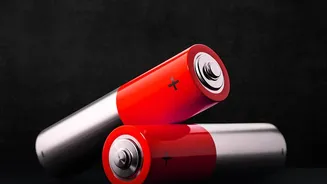
For years, the electric vehicle revolution has run on lithium-ion batteries. They are powerful and efficient, but come with significant drawbacks. The core materials, lithium and cobalt, are scarce, geographically concentrated, and expensive. This leads
to volatile pricing and creates supply chains heavily dependent on a few countries, a vulnerability India is keen to address. For Indian consumers, this dependency translates directly into higher scooter and motorcycle prices, keeping EVs out of reach for a large segment of the population. The battery pack alone can account for a substantial portion of an EV's cost, making any reduction in its price a critical step toward mass adoption.
Enter Sodium-Ion: The Affordable Alternative
Sodium-ion (Na-ion) technology offers a compelling solution by replacing expensive lithium with abundant and inexpensive sodium—the same element found in common table salt. This abundance is a strategic game-changer. It drastically lowers raw material costs and aligns perfectly with India's 'Aatmanirbhar Bharat' mission by enabling a domestic supply chain. Beyond cost, sodium-ion batteries offer other key advantages. They demonstrate better performance in a wider range of temperatures, a crucial factor in India's diverse climate. Furthermore, they are inherently safer, with a reduced risk of fire and the ability to be safely transported at zero charge.
Closing the Performance Gap
Historically, the main drawback of sodium-ion batteries was lower energy density, meaning they stored less power for their size and weight compared to their lithium counterparts. This resulted in shorter ranges, a deal-breaker for many potential EV buyers. However, recent advances by Indian research institutions and companies are rapidly closing this gap. For instance, Pune-based KPIT Technologies has developed Na-ion battery variants with significantly improved energy density and the ability to charge extremely quickly. These batteries also boast an impressive lifecycle of 3,000-6,000 cycles, promising long-term durability. For urban electric two-wheelers, where daily commutes are shorter and extreme range isn't the priority, this level of performance is more than sufficient, making Na-ion a commercially viable and attractive option.
A 'Made in India' Manufacturing Boost
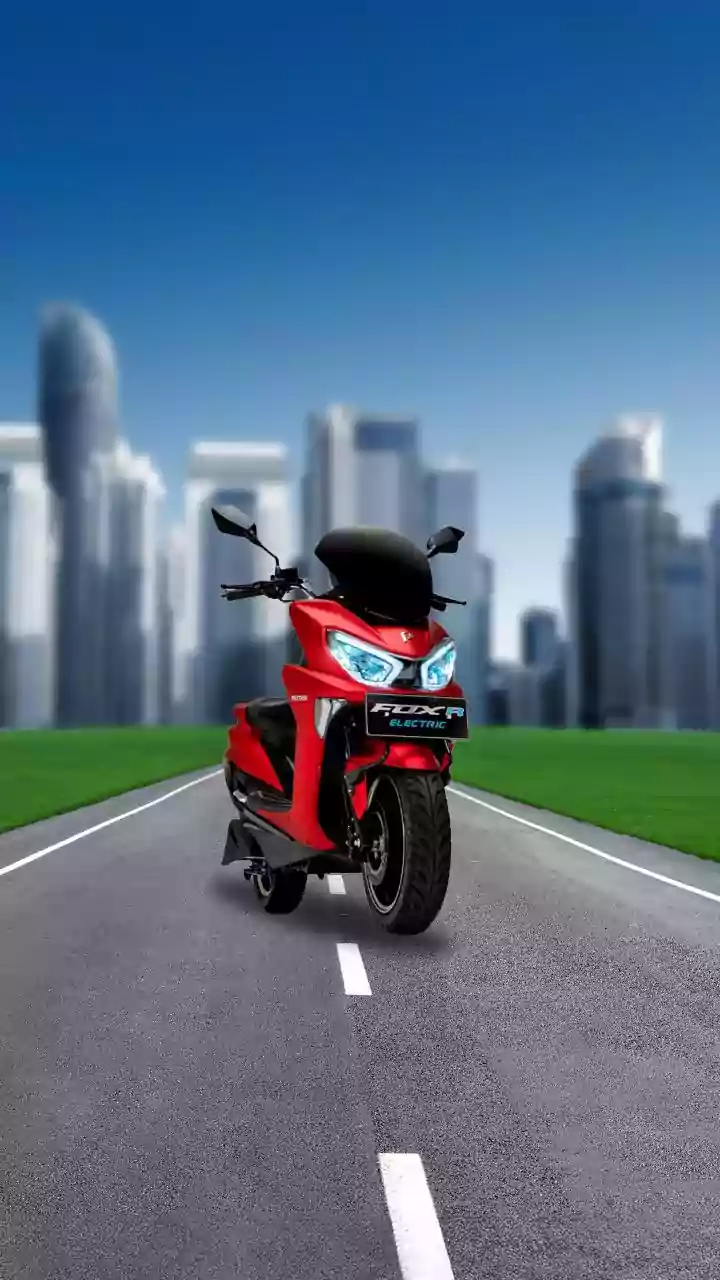
For Indian two-wheeler manufacturers, sodium-ion technology is more than just a new component; it's a strategic advantage. The most immediate benefit is a significant reduction in production costs, which can be passed on to the consumer. This allows manufacturers to target the highly price-sensitive mass market. By using locally sourced sodium, companies can insulate themselves from global supply chain disruptions and price volatility associated with lithium. This shift is already in motion. Industrial giants like Reliance, through its acquisition of Faradion, and tech firms like KPIT, which has partnered with Trentar Energy for mass production, are building the ecosystem. Trentar is set to invest in a 3 GWh manufacturing facility, a clear sign of the expected demand. Other players, like Jitendra New EV Tech, are also planning to launch sodium-ion powered two-wheelers.