






The High Cost of a Menu Misfire
The pressure on Quick Service Restaurants (QSRs) and food creators to innovate is immense. With diners, especially younger ones, constantly seeking new experiences, the temptation to rush a trendy new item to market is strong. However, a launch based
on a hunch rather than data is a high-stakes gamble. The costs of a failed product go beyond just wasted ingredients. They include expenses for marketing campaigns that do not convert, operational inefficiencies from a complex menu, and damage to brand reputation. In a competitive landscape where affordable deals often fail to sway consumers, a poorly received item can be a significant financial drain and erode customer trust.
From Focus Groups to Social Feeds
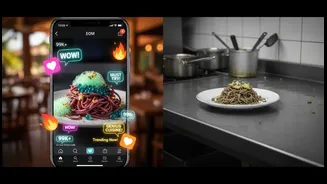
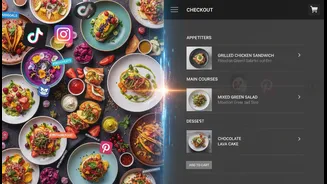
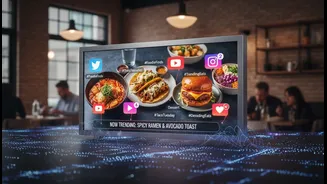
Traditional market research, like small focus groups, often falls short in predicting the success of a new food item in today's digital-first world. Young Indian consumers, in particular, discover and validate trends on social media. Their preferences are shaped by food creators and online reviews, making platforms like Instagram and YouTube the new proving grounds. Data shows that a vast majority of consumers use social media to decide where to eat, making online sentiment a far more accurate barometer of demand than controlled, artificial test environments. Brands that listen to this digital chatter gain a real-time understanding of what will resonate with their target audience.
The Modern Playbook for Testing
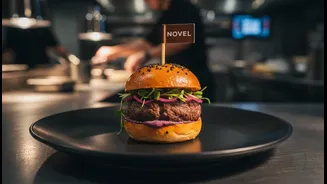
The smartest players in India's food scene have adopted a lean, data-driven approach to menu innovation. The Limited-Time Offer (LTO) is a powerful tool. It creates a sense of urgency and allows brands to trial a new product with minimal risk. If the 'chatpata'-flavoured fries or a regional fusion burger sells out, it’s a strong signal to make it permanent. Pop-ups and cloud kitchen-only launches serve a similar purpose, acting as real-world labs to gather feedback on flavour, price, and presentation before committing to a nationwide rollout. This 'test and learn' model allows for agility, enabling brands to double down on winners and quickly discard losers without suffering major losses.
Leveraging Creators and Community
Food creators are no longer just marketers; they are co-creators and R&D partners. Forward-thinking brands involve them early, sending out test batches and using their feedback to refine products before they reach the public. Launching a new item in collaboration with a trusted creator can provide an instant, authentic focus group. Brands can monitor comments and engagement on a creator’s post to gauge interest and make tweaks. This strategy builds community, making diners feel like part of the development process and generating valuable user-generated content that provides insights far richer than any internal survey could.
The Role of the Empowered Diner
This shift also empowers young diners. Every time they try an LTO, vote in a social media poll about a potential flavour, or leave a detailed online review, they are casting a vote for the kind of food they want to see. In this ecosystem, consumer behaviour directly influences what gets scaled. By engaging with test-phase products, diners help brands make smarter decisions, leading to more interesting and successful menus in the long run. They move from being passive recipients to active participants in shaping India's food landscape, ensuring that the market reflects their evolving tastes and preferences.