







Start with the Exterior
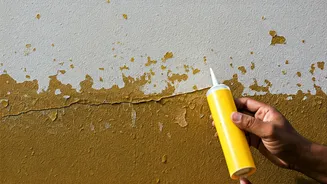
Your first line of defence is preventing water from entering in the first place. Before the heavy rains begin, conduct a thorough inspection of your home's exterior. Look for cracks in the walls, roof, and around window frames, as even tiny fissures can
become major entry points for water. Use a quality waterproof sealant or crack filler to seal these gaps. Pay special attention to the roof and terrace, which bear the brunt of the downpour. Applying a fresh coat of waterproof paint to external walls creates a protective barrier that repels moisture and extends the life of your paint job. Also, ensure that all gutters and drains are clear of debris to prevent water from pooling around the foundation, which can lead to structural damage.
Tackle Damp Walls and Peeling Paint
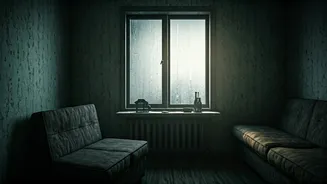
Damp walls are one of the most common monsoon woes, leading to peeling paint, bubbling plaster, and a musty smell. These issues often arise from moisture seeping through external walls or from high indoor humidity. If you spot damp patches, the immediate fix is to improve air circulation by opening windows on dry days and using fans to dry the area. For a more lasting solution to prevent paint from peeling, you can treat affected areas with a solution of equal parts white vinegar and water before repainting. Using good quality waterproof or moisture-resistant paint for your interiors acts as a shield against dampness. In areas with persistent damp, a professional waterproofing treatment might be necessary to solve the root cause.
Protect Your Wooden Furniture
The high humidity during the monsoon is particularly harsh on wooden furniture, causing it to swell, warp, and develop mould. A simple preventative measure is to apply a fresh coat of varnish, lacquer, or wax polish, which creates a moisture-resistant barrier. It's also wise to rearrange your furniture, keeping pieces at least a few inches away from damp walls to ensure proper airflow and prevent moisture transfer. Regularly wipe down all wooden surfaces with a clean, dry cloth to remove any condensation. For extra protection inside wardrobes and cabinets, place moisture absorbers like silica gel packs or camphor balls. These small additions can make a big difference in keeping your cherished furniture safe and fungus-free.
Improve Ventilation to Beat Humidity
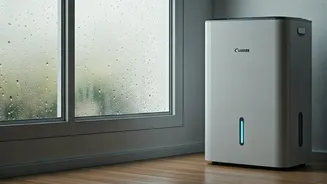
High indoor humidity is the primary cause of the stuffy, damp feeling that pervades homes during the monsoon. Improving ventilation is key to combating this. Whenever the rain stops, open windows and doors on opposite sides of your home to encourage cross-ventilation, which flushes out moist air. Use exhaust fans in kitchens and bathrooms to expel steam after cooking or showering. Running an air conditioner on 'dry mode' or using a dehumidifier can be highly effective in maintaining an ideal humidity level, which should be between 40% and 60%. Natural moisture absorbers like bowls of coarse salt or charcoal briquettes placed in damp corners can also help reduce humidity levels in smaller spaces.
Prevent Mould, Mildew and Musty Odours
Where there is moisture, mould and mildew are sure to follow, bringing with them unsightly patches and unpleasant odours. Besides being an aesthetic issue, mould can trigger allergies and respiratory problems. Regular cleaning and keeping surfaces dry are crucial. You can tackle existing mould on walls with natural solutions, like a spray made from boiling neem leaves in water or a simple white vinegar solution. To combat musty smells in cupboards and drawers, keep them aerated and use natural deodorisers like coffee grounds or baking soda. Ensure clothes are completely dry before storing them, as damp laundry is a major source of mildew.
Check Electrical Safety
Moisture and electricity are a dangerous combination. The increased humidity during the monsoon raises the risk of short circuits and electrical shocks. Before the season starts, it's a good idea to have an electrician inspect your home's wiring, especially any outdoor connections or points near windows. Ensure that your Earth Leakage Circuit Breaker (ELCB) is functioning correctly, as it is your primary defence against electrical faults. Avoid touching switches with wet hands and keep electronic appliances away from open windows or areas prone to leaks. Using surge protectors can also help shield sensitive gadgets from power fluctuations caused by lightning.