







Putting 25.7 Million Tonnes in Perspective
A figure like 25.7 million metric tonnes of CO2 can be hard to grasp, but recent research provides some startling comparisons. According to a study published in the journal Nature Sustainability, this level of annual emissions from just 403 of the largest
'hyperscale' data centres in the United States is comparable to the entire nation of Denmark. This output is also roughly equivalent to the emissions of the entire state of Michigan. The research, which covered the period from May 2024 to April 2025, found that the energy consumed by these facilities was staggering, totalling approximately 82 terawatt-hours. To put that in context, that is enough electricity to power nearly 7 million American homes for a year. Perhaps most concerning is the pace of this growth; the study's authors note that this emissions figure is two to three times higher than the last peer-reviewed estimate from 2018, before the recent boom in artificial intelligence truly took hold.
The Anatomy of a Power-Hungry Industry
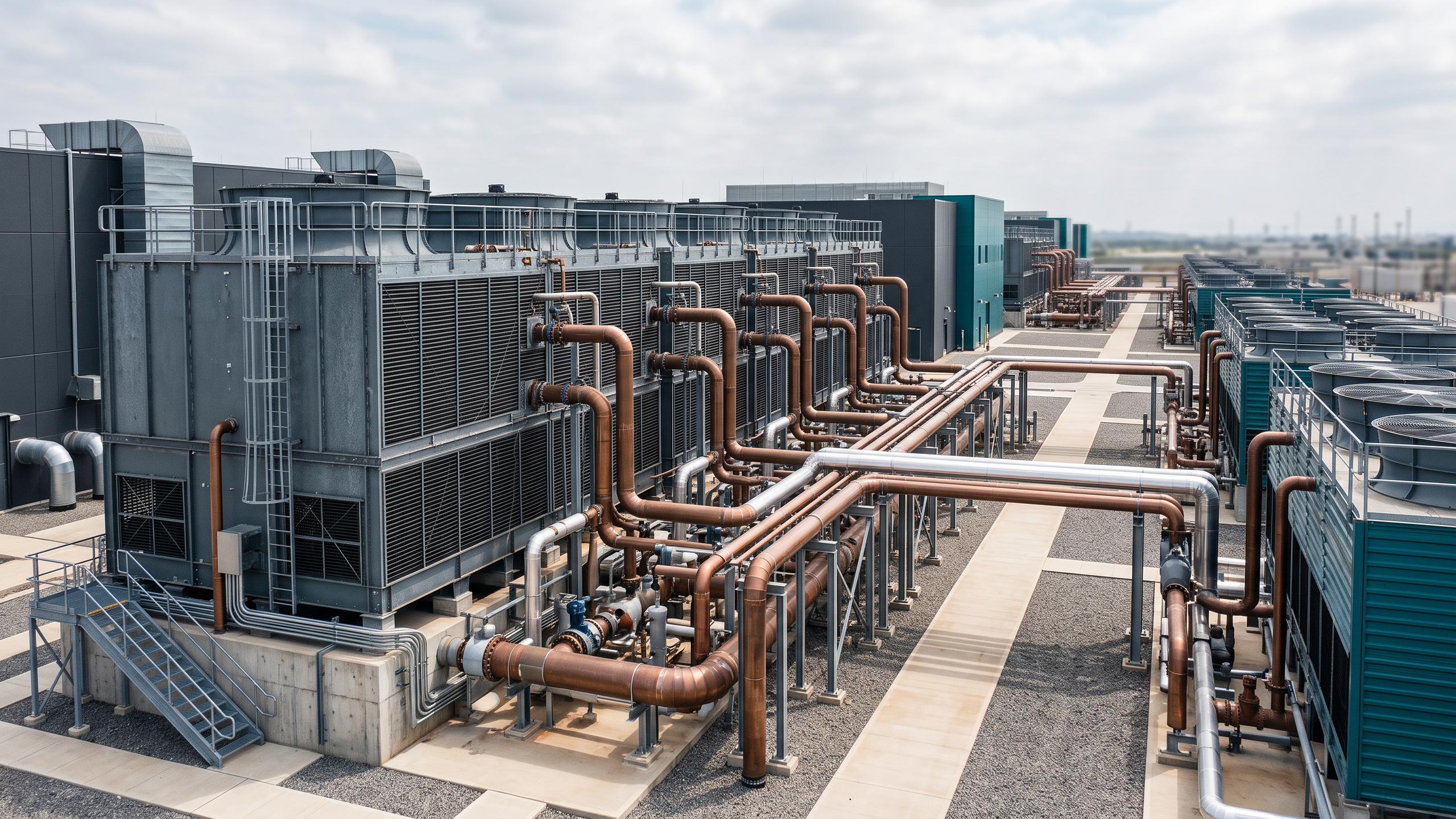
So, what makes these computing centres so energy-intensive? A data centre is essentially a factory for information. It houses tens of thousands of computer servers that store, process, and distribute the data that fuels our online lives. These servers generate an immense amount of heat, and a significant portion of a data centre's energy consumption goes not just to running the computers, but to keeping them cool. Constant cooling is critical to prevent overheating and failure. The Harvard study found that over half of the electricity powering these massive facilities—about 54 percent—came from burning fossil fuels, primarily natural gas and coal. This reliance on carbon-intensive energy sources is the direct cause of their massive emissions footprint. Furthermore, the industry's operations are often shrouded in secrecy, making it difficult for researchers and the public to get a clear picture of their true impact without what amounts to 'detective work' using satellite imagery and commercial data.
The AI Accelerator Effect
While data centres have been growing for years with the rise of cloud computing, the recent explosion in generative artificial intelligence has put their energy consumption into overdrive. Training large AI models and running AI applications are incredibly compute-intensive tasks that demand more powerful servers and, consequently, more electricity. The International Energy Agency has identified data centres as one of the fastest-growing sources of electricity demand globally, with consumption projected to more than double by 2026 in some high-growth scenarios. The Harvard researchers explicitly state that their study period ended just as the AI infrastructure boom began to accelerate, meaning the current emissions figures are likely even higher today. This rapid expansion is creating a political backlash in some communities, where concerns over energy grid stability, water usage for cooling, and rising electricity prices are leading to local opposition against new data centre projects.
Can the Cloud Go Green?
The findings paint a grim picture, but the story isn't entirely one-sided. The location of a data centre plays a huge role in its carbon footprint. The study found that facilities in states like Oregon, with a higher share of renewable energy in their grid, have a much lower carbon intensity than those in states heavily reliant on fossil fuels. Just four states—Virginia, Oregon, Ohio, and Iowa—accounted for more than half of the total electricity consumption studied. This highlights a clear path forward: powering data centres with clean energy. Many of the major tech companies are making significant investments in renewable energy sources like wind and solar to power their operations and have pledged to become carbon neutral. However, the sheer pace of demand growth is outstripping the development of new clean energy sources, causing some companies to miss their climate goals. As the world grapples with this challenge, a voluntary pledge was launched at the recent COP31 climate talks, urging companies and countries to be more transparent about their energy use and to power data centres with clean energy.