







The New Cost of Digital Transactions
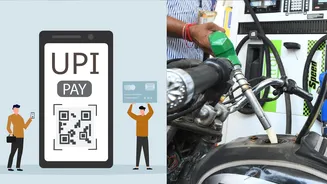
The National Payments Corporation of India (NPCI) has introduced a Merchant Discount Rate (MDR) of 0.4% on specific Person-to-Merchant (P2M) UPI transactions. This fee applies to payments exceeding ₹2,000. For very large transactions of ₹75,000 and above,
the fee is capped at a flat ₹300. It's crucial to understand that this is not a charge on consumers; the government has explicitly stated that customers will not pay this fee directly and has barred merchants from passing it on at the point of sale. This change, effective from October 15, 2026, marks a significant policy shift away from the zero-MDR regime that has fueled UPI's explosive growth over the past several years.
Why This Change Is Happening Now
For years, the UPI system operated on a zero-fee model for merchants, a strategy designed to accelerate digital payment adoption across the country. While incredibly successful—with UPI processing over 24.5 billion transactions in August 2026 alone—this model was not financially sustainable. The costs of running the vast infrastructure, ensuring cybersecurity, and driving innovation were largely borne by banks and payment service providers. The introduction of a modest MDR is aimed at creating a self-reliant revenue stream for the ecosystem. Officials argue that this financial viability is necessary to support further investment in the system's resilience and to encourage innovation among payment processors who previously had limited financial incentive.
Who Actually Foots the Bill?
The 0.4% MDR is levied on the merchant, meaning online retailers and other businesses will see this fee deducted from their settlements. While they are officially prohibited from adding a separate UPI fee for customers, the reality could be more complex. Businesses, especially those operating on thin margins, may eventually absorb this new cost into their overall pricing strategy. Some small business owners have already indicated they might have to increase costs for customers to compensate. This creates a challenging situation for e-commerce platforms, who must now balance the cost of accepting digital payments with the need to remain competitive in a price-sensitive market.
What Remains Free for Everyone
Despite the new charges, the vast majority of UPI transactions will remain free. All Person-to-Person (P2P) transfers, like sending money to friends or family, are unaffected, regardless of the amount. Furthermore, all merchant payments up to the ₹2,000 threshold continue to have zero MDR. This ensures that everyday small-value purchases, which constitute over 95% of UPI's transaction volume, are not impacted. Additionally, certain small merchants, such as street vendors who receive less than ₹1 lakh per month via UPI, are exempt from the new charges, protecting the smallest players in the digital economy. Recurring payments through UPI AutoPay, such as for subscriptions, also remain free from this MDR.
The Bigger Picture for Digital India
This move signals a maturation of India's digital payments ecosystem. By introducing a revenue model, regulators aim to ensure UPI's long-term health and reduce its reliance on government subsidies. However, it also introduces a new dynamic. The fee, though lower than typical credit card processing charges of 1.5% to 2.5%, creates a new cost center for businesses that have built their models around free digital transactions. Industry associations have voiced concerns that this could, in some cases, push smaller retailers back towards cash, particularly ahead of busy shopping seasons. The government plans to monitor the situation daily to prevent merchants from directly charging consumers, but the long-term behavioural shift among both businesses and shoppers remains to be seen.