





What Is Zone 2 Training?
Forget the 'no pain, no gain' mantra for a moment. Zone 2 training is all about low-intensity, steady-state cardio. It refers to exercising at about 60-70% of your maximum heart rate. Think of it as 'conversational cardio': you should be able to hold
a full conversation without gasping for air. If you can easily sing, you're going too light (Zone 1). If you can only manage short, choppy sentences, you've pushed into Zone 3 or higher. This moderate effort level is the sweet spot where your body can sustain activity for a long time, making it perfect for building a solid fitness foundation.
The Cellular Secret to More Energy
The magic of Zone 2 lies in what it does for your mitochondria—the tiny powerhouses inside your cells that produce energy. When you perform these sustained, low-intensity workouts, you train your body to become incredibly efficient at burning fat for fuel. This process stimulates the growth of new, more efficient mitochondria. More and healthier mitochondria mean your body gets better at producing energy from both fat and carbohydrates, not just during exercise but all day long. This leads to a higher aerobic capacity, which essentially means your body's 'engine' becomes bigger and more efficient, reducing strain and fatigue in your daily life.
Why Slower Can Be Better Than Harder
High-intensity interval training (HIIT) has been popular for years, and for good reason. It’s effective for certain fitness goals. However, for a desk worker already battling mental and physical fatigue, adding the high stress of a HIIT workout isn't always the answer. Zone 2 training, on the other hand, is restorative. It strengthens your cardiovascular system and improves your body's stress response without the burnout risk. By building a strong aerobic base with Zone 2 workouts, you actually improve your ability to recover faster from more intense activities when you do choose to do them. It’s about building a foundation for sustainable, long-term energy, not just a short-term endorphin rush.
Your Guide to Getting in the Zone
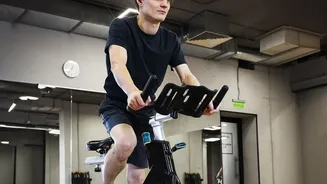
You don't need a fancy gym membership to start. Many activities can be adapted for Zone 2. The key is to maintain a steady, moderate pace. A brisk walk where you can feel your heart rate elevate but still chat is a perfect example. Other great options include light jogging, cycling on flat terrain, using an elliptical machine, or steady swimming. To estimate your Zone 2 heart rate, you can use the simple formula of 220 minus your age to find your maximum heart rate (MHR), and then calculate 60-70% of that number. For a 40-year-old, the MHR is roughly 180, making their Zone 2 range about 108-126 beats per minute. However, the 'talk test' remains the most practical guide.
Fitting It Into Your Workday
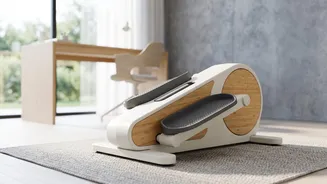
The biggest hurdle for most desk workers is time. The good news is that Zone 2 is flexible. Aim for about 150 minutes per week, which can be broken down into two to four sessions of 30 to 60 minutes each. Use your lunch break for a 30-minute brisk walk outside. If you work from home, consider an under-desk treadmill or take phone meetings while pacing around your home. Even commuting can be an opportunity—try walking or cycling part of the way if possible. The goal is consistency. By weaving these low-intensity sessions into your routine, you can build a powerful defence against daily exhaustion and reclaim your energy.