



The Crucial Question of Heating
Temperatures in the Himalayas can plummet unexpectedly, even in summer. A beautiful room is useless if you’re too cold to enjoy it. Never assume heating is a given. Ask your host directly about the type of heating provided. Traditional wood-burning stoves,
known as 'bukharis', are common but require ventilation to prevent carbon monoxide buildup. Electric heaters are an option, but frequent power cuts in mountain regions can render them unreliable. Some modern stays offer infrared heating or centrally heated systems, which are safer and more effective. Also, inquire about the availability of electric blankets and insulated bedding, as these can make a significant difference on a cold night. Confirm if there are extra charges for firewood or heater usage.
Decoding the Meal Plan
Food is a highlight of the homestay experience, offering a taste of local life. However, the food situation can vary dramatically. Clarify what your booking includes. Is it just breakfast, or are all meals (American Plan) provided? Ask about the cuisine. Most homestays serve traditional, home-cooked regional food. If you have dietary restrictions or are travelling with children, communicate this well in advance. In remote locations, local shops may be miles away, making it difficult to find alternatives if the homestay’s food doesn't suit you. Ask about meal timings and flexibility. Knowing whether you can get a hot dinner after a late arrival can save you a lot of hassle.
Navigating Transport and Accessibility
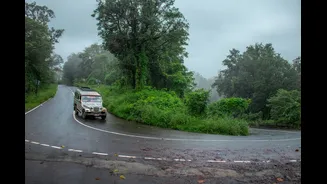
That stunning, isolated homestay on a booking website might be a logistical nightmare to reach. Check the property's exact location on a map. '5 km from town' could mean a simple drive or a strenuous uphill trek. Ask your host about last-mile connectivity. Do they offer a pickup service from the main road or nearest bus stand? Public transport, like state-run buses and shared taxis, forms the backbone of Himalayan travel but services can be infrequent, especially to smaller hamlets. If you are driving your own vehicle, confirm if there is safe parking available and inquire about the current condition of access roads, which can be affected by weather.
Connectivity: Wi-Fi and Mobile Networks
While the idea of a digital detox is appealing, staying connected can be a practical necessity for safety, navigation, or remote work. Internet and mobile signals in the Himalayas are notoriously patchy. Ask your host about Wi-Fi reliability and which mobile networks work best at their location. In many areas, only one provider (like NTC or Ncell in Nepal, or specific networks in India) might offer a stable connection. Reading recent guest reviews can provide real-world feedback on the connectivity situation. If you depend on the internet for work, it might be wise to ask the host for a speed test screenshot. Always download offline maps before you travel.
Hot Water and Power Backup
After a long day of trekking, a hot shower feels like the ultimate luxury. Don't take it for granted. Many Himalayan properties rely on solar geysers, which may not work on cloudy days or provide hot water 24/7. Others use electric geysers, which are dependent on the power supply. Ask about the hot water system and its availability. Similarly, power outages are common. A good homestay should have a power backup system like an inverter or a generator. Confirm what the backup can support—will it just be for lights, or can you also charge your devices? This small detail is crucial for both comfort and convenience.
Read Between the Lines of Reviews
Guest reviews are your best source of unbiased information. Look beyond the generic 'great stay' comments and seek out detailed feedback. Pay attention to recurring complaints about cleanliness, host attitude, or undisclosed charges. Recent reviews are particularly valuable as they reflect the current state of the property and its services. Checking how a host responds to negative feedback can also be very telling. A defensive host might be a red flag, while one who addresses concerns constructively shows they care about guest experience. Finally, remember that the host is part of the experience; good reviews often highlight a warm, helpful host who can provide valuable local insights.