







The Old Rule: Chasing Protein Grams
For years, the fitness mantra has been dominated by a numbers game. Whether the goal was building muscle, losing fat, or improving performance, the advice was to consume a certain number of protein grams per kilogram of body weight. This approach was easy
to track and offered a straightforward benchmark. Apps, food labels, and diet plans all revolved around this single metric, reinforcing the idea that more protein was always the answer. This simplified view helped many people understand the importance of protein, but it overlooked a critical part of the story: not all protein is created equal.
Enter Amino Acids: The Real Building Blocks
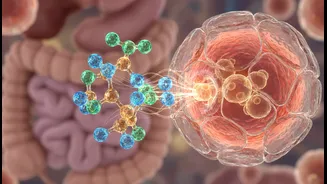
Protein itself isn't what your body uses directly to repair and build tissue. When you consume protein from sources like chicken, dal, or paneer, your body breaks it down into its constituent parts: amino acids. There are 20 different amino acids, nine of which are called "essential" because your body cannot produce them. You must get these nine from your diet. A food source that contains all nine essential amino acids is called a "complete protein." Animal sources like meat, eggs, and dairy are typically complete, while many plant sources are "incomplete," meaning they lack one or more essential amino acids.
It's What You Absorb That Counts
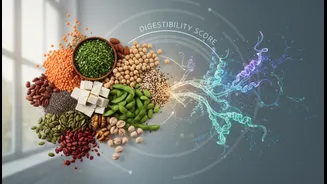
Here's where the conversation gets more advanced. Just because a food contains 20 grams of protein doesn't mean your body will absorb and use all 20 grams. This concept is called bioavailability. It refers to how efficiently your body can digest the protein and absorb its amino acids. Factors like a food's structure and the presence of other nutrients can affect this process. To measure this, scientists use scoring systems. The older method is the Protein Digestibility-Corrected Amino Acid Score (PDCAAS). A newer, more precise method is the Digestible Indispensable Amino Acid Score (DIAAS), which measures the absorption of each individual amino acid in the small intestine, giving a truer picture of protein quality.
The Leucine Trigger: Igniting Muscle Growth
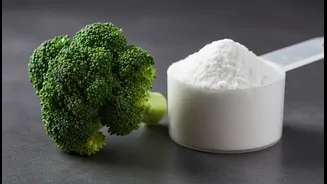
One of the main reasons for this shift in focus is the discovery of the pivotal role of a specific amino acid: leucine. Leucine is considered the primary "trigger" for muscle protein synthesis (MPS), the process of building new muscle. Research shows that for your body to kickstart muscle repair and growth effectively after a workout, a meal needs to contain a sufficient amount of leucine, often cited as around 2.5-3 grams. If a meal is low in leucine, even if it's high in total protein, it may not stimulate muscle growth as effectively. This is why a scoop of high-quality whey protein, which is rich in leucine, can be more effective post-workout than a larger portion of a lower-quality protein source.
Putting It All Together: A Smarter Approach to Protein
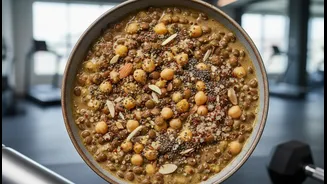
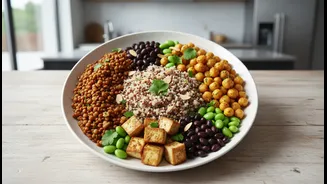
So, how can you apply this more nuanced understanding? It's not about abandoning protein tracking altogether but enhancing it. Firstly, prioritise high-quality protein sources known for their excellent amino acid profiles and high bioavailability, such as eggs, Greek yogurt, whey protein, fish, and chicken. For plant-based eaters, this means being strategic. While soy and quinoa are complete proteins, combining other incomplete proteins—like rice and beans or dal and roti—throughout the day ensures you get all the essential amino acids. The focus shifts from simply hitting a number to building a diet rich in diverse, high-quality protein that your body can actually put to work.