



The Dalia We All Knew
Cast your mind back. If you grew up in an Indian household, your relationship with dalia was likely functional, not aspirational. It was the warm, mushy porridge your grandmother made when you had an upset stomach. It was wholesome, nutritious, and easily
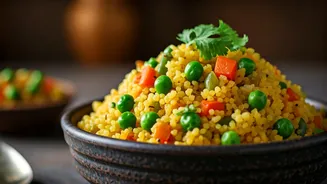
digestible. It was also, let's be honest, often quite bland. Served either sweet with milk and a sprinkle of sugar, or as a savoury khichdi with minimal spices, dalia was the ultimate comfort food—synonymous with recovery and simplicity. It wasn't something you'd ever expect to order at a trendy café or a fine-dining restaurant. Its place was firmly in the home kitchen, a reliable staple that rarely sparked culinary excitement.
From Sick-Day Food to Superfood Bowl
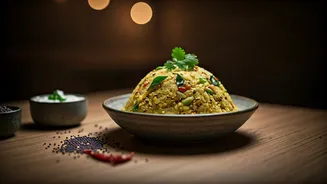
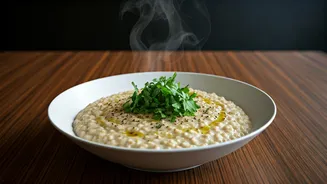
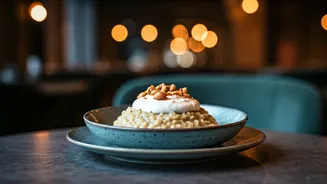
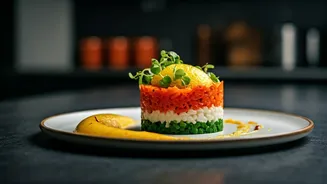
That perception is rapidly changing. Across urban India, a new generation of chefs is looking at dalia not as a bland necessity, but as a versatile canvas. They are taking the humble broken wheat and giving it a serious upgrade. Forget watery porridge; think creamy, risotto-style dalia cooked in vegetable broth and finished with a touch of cheese. Picture savoury bowls packed with exotic mushrooms, sun-dried tomatoes, roasted bell peppers, and a drizzle of pesto or truffle oil. These new versions are rich, flavourful, and incredibly satisfying. They maintain dalia’s inherent wholesomeness while elevating it to a dish you’d proudly post on Instagram. It’s no longer just breakfast—it’s an all-day meal that’s both comforting and chic.
The Wellness Wave
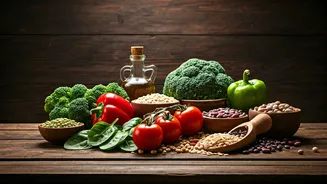
So, why now? A huge part of dalia’s resurgence is driven by the global wellness movement. As diners become more health-conscious, they are actively seeking out foods that are both delicious and nutritious. Dalia fits the bill perfectly. It is a complex carbohydrate, rich in fibre, protein, and essential nutrients. Its low glycemic index ensures a slow release of energy, keeping you full for longer without causing a sugar crash. In a world saturated with processed foods and refined grains, dalia stands out as a 'superfood' that was hiding in our pantries all along. Chefs are simply tapping into this demand, presenting a familiar health food in a format that feels modern, indulgent, and exciting.
A Comforting Taste of Nostalgia
Beyond health, the dalia trend speaks to a deeper cultural craving: nostalgia. As our lives get faster and our food choices more global, there's a powerful pull towards the flavours of our childhood. This isn't about simply recreating old recipes; it's about reinterpreting them. The new creamy dalia offers the best of both worlds—it provides the emotional comfort and familiarity of a traditional dish while delivering the complex flavours and sophisticated presentation that modern palates expect. It’s a culinary hug that feels both reassuringly old and excitingly new. By putting a gourmet spin on dalia, chefs are honouring its roots while making it relevant for a new generation of diners.
The Chef's Blank Canvas
From a purely culinary standpoint, dalia is a dream ingredient. Much like risotto rice or Italian polenta, it has a neutral flavour profile and a wonderful ability to absorb the tastes of whatever it's cooked with. This makes it an incredibly versatile base for creativity. A chef can take it in a savoury Mediterranean direction with olives and feta, an earthy Indian direction with spices and ghee, or even a creamy Italian direction with parmesan and mushrooms. Its texture can be manipulated from a light, fluffy upma to a thick, creamy porridge. This adaptability is precisely what makes it so appealing to chefs who are eager to experiment and push the boundaries of modern Indian cuisine. Dalia isn't just a grain; it's an opportunity.