




The Untouchable Room Vanishes
For decades, many Indian living rooms served a singular, ceremonial purpose: to impress. They were showcases of affluence, featuring imposing sofa sets, ornate tables, and vast, empty floors designed to be admired from a distance. Children were often
shooed away, and the space was kept under wraps, waiting for the special occasion that would justify its use. This room was less a part of the home and more a part of a social script about status. But that script is being rewritten. As one interior designer notes, there's a significant psychological shift where homeowners are questioning the inherited idea that every room must perform a specific social role. The living room is becoming more personal, adaptable, and human.
The Rise of the Multi-Purpose Hub
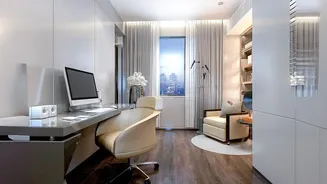
Today's living room is the hardest-working space in the house. The pandemic accelerated a trend that was already bubbling, transforming living rooms into offices, classrooms, yoga studios, and movie theatres overnight. This demanding new role required a fundamental rethink. Bulky, immovable furniture designed for formality has given way to modular seating, versatile accent chairs, and multi-functional pieces like lift-top coffee tables and storage ottomans. The focus has shifted from a single, dominant sofa to a flexible collection of pieces that can be rearranged to suit work, relaxation, and family life happening all at once. Luxury is no longer about having the biggest furniture, but the smartest.
A New Definition of Luxury
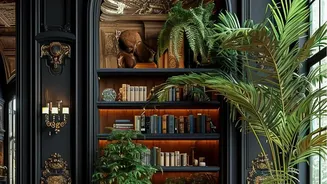
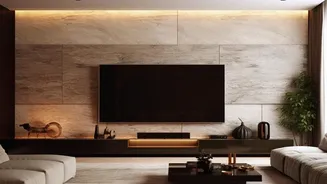
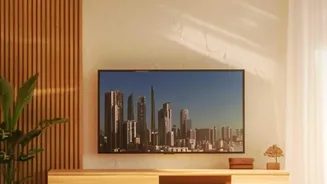
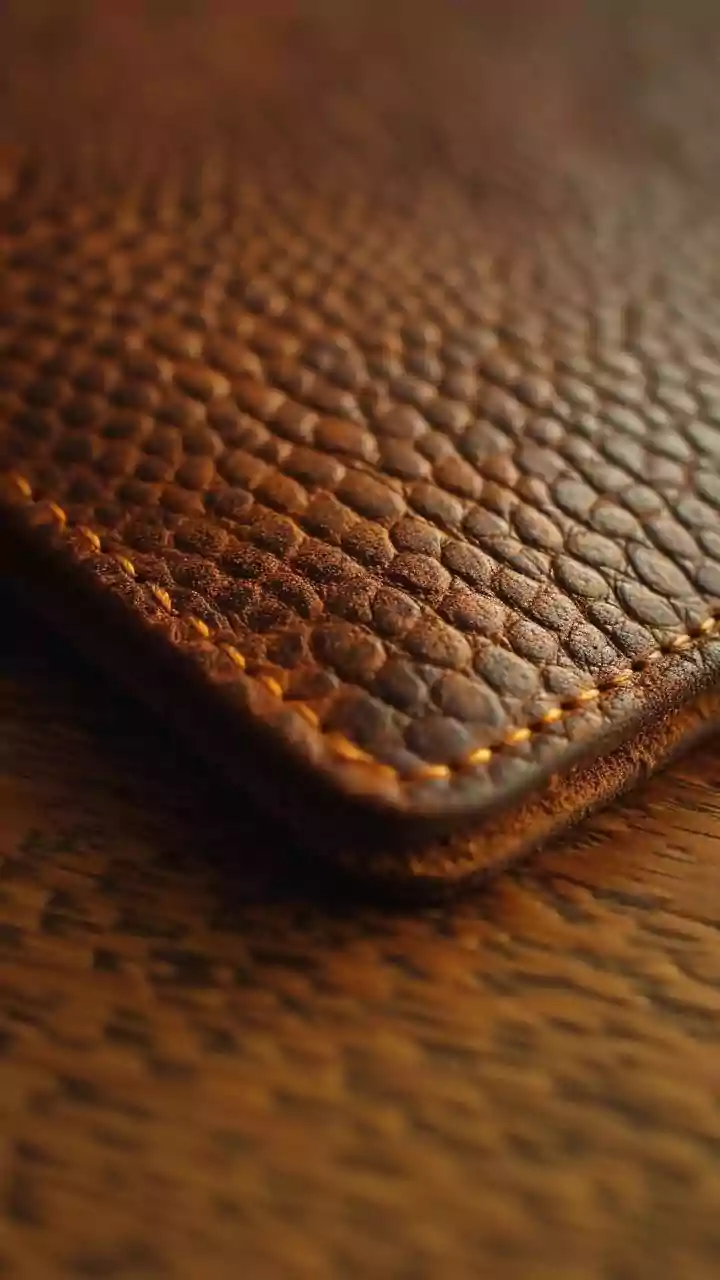
This evolution isn't about a rejection of luxury, but a redefinition of it. The new luxury is quieter and more personal. Instead of announcing wealth through sheer size and ornamentation, it's expressed through tactile materials, quality craftsmanship, and a carefully curated atmosphere. There is a growing appreciation for solid woods like teak and sheesham, natural fabrics, and handcrafted details that tell a story. According to design experts, elements like marble, natural wood, and art are now used not to show off, but to create a specific mood. This “quiet luxury” is less about what you own and more about how your home makes you feel: restored, calm, and authentic.
From Showroom to Storyboard
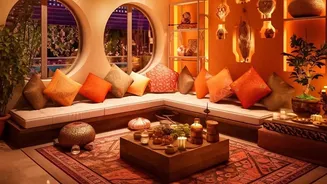
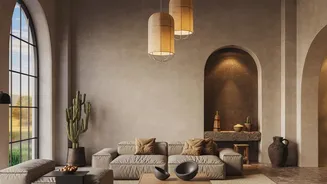
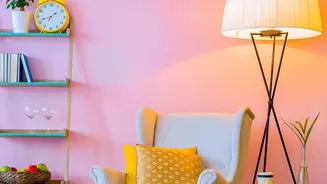
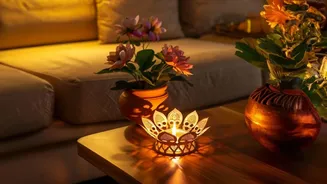
The aesthetic itself has softened. The cool grey palettes of previous years are being replaced by warmer neutrals like beige, terracotta, and olive. Sharp, boxy furniture is giving way to softer, curved silhouettes that feel more inviting and are easier to navigate in compact urban homes. This move towards a “lived-in” feel is about creating spaces that are reflections of personal identity, not just trends. For younger generations like Gen Z and millennials, a home is an extension of their personality and values. They are curating spaces with items that have meaning, blending modern pieces with vintage finds or traditional crafts, creating a home that tells a unique story.