






From Routine to Ritual
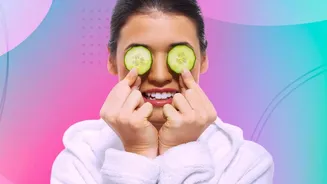
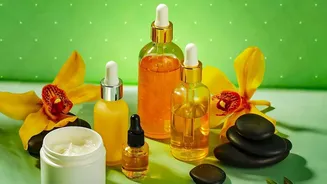
The biggest change is the shift in focus from the outcome to the process. What used to be a routine—a series of repetitive tasks like washing your face—has been elevated to a ritual. Psychologists explain that rituals are routines filled with intention
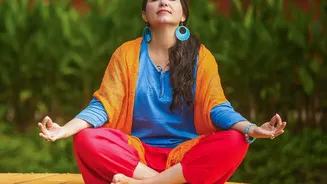
and meaning. The simple, sensory act of massaging in a face oil or applying a mask provides a moment of mindfulness, forcing you to slow down and be present. In an 'always-on' culture, these small pockets of quiet, dedicated time for yourself can be a powerful way to ground yourself, reduce feelings of chaos, and regain a sense of control.
The Science of Feeling Good
There’s a clear connection between these practices and our mental state. Research shows that gentle, repetitive actions, like those in a skincare routine, can stimulate the release of 'feel-good' chemicals like oxytocin and serotonin. This helps activate the body's 'rest and digest' mode, calming the nervous system. Studies have found that consistent beauty rituals can lead to a better quality of life, boosting feelings of empowerment, happiness, and self-esteem. It's less about achieving a flawless look and more about the emotional uplift that comes from the act of nurturing yourself.
Wellness Culture's Wide Embrace
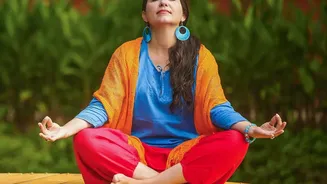
The modern wellness movement, which initially focused on yoga, meditation, and nutrition, has logically expanded to include beauty. Consumers in India are increasingly viewing beauty through a holistic lens, where physical appearance and mental well-being are connected. This has fueled the demand for 'clean', 'mindful', and 'conscious' beauty products. People are no longer just asking if a product will make them look good, but also what ingredients it contains and how it will make them feel. This ingredient-consciousness is a permanent shift, forcing brands to be more transparent and focus on long-term skin health rather than quick fixes.
A Response to Modern Pressures
The rise of beauty as self-care is also a direct response to rising stress and burnout. In a demanding world, carving out time for a beauty ritual is an act of reclaiming personal space. It’s a way to decompress after a long day and signal to your brain that it's time to switch off. This is particularly true for younger generations like Gen Z, who are driving this trend by viewing beauty not as an occasional indulgence but as a daily expression of self-care and identity. The focus is moving away from chasing an unrealistic ideal of perfection and toward authenticity and feeling comfortable in your own skin.
How Brands Have Adapted
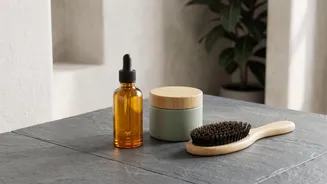
The beauty industry in India and globally has been quick to respond to this evolution. Marketing language has pivoted from promising to 'fix flaws' to encouraging consumers to 'feel confident' and 'invest in themselves'. Brands now highlight the sensory experience of their products and the wellness benefits of their use. The growth of the men's grooming market and the move towards gender-agnostic skincare further prove that this trend is about universal well-being, not just traditional beauty standards. As consumers become more informed, the future belongs to brands that educate, simplify, and respect their audience's intelligence.