






The Great Transformation
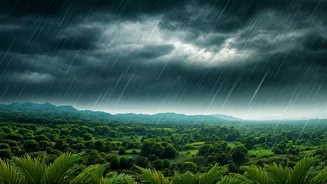
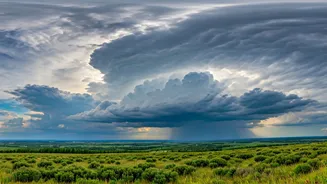
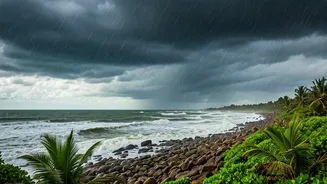
From the winding backwaters of Kerala to the quiet coastal towns of Karnataka, the arrival of the Southwest Monsoon is more than just a change in weather; it's a profound shift in atmosphere. The intense heat of summer breaks, giving way to a cooler,
softer world. The landscape, once dusty and sun-scorched, explodes into an almost impossibly vibrant green. This year, the monsoon made its official entry over Kerala in early June, and while its progress has been uneven, its dramatic presence is undeniable. The rhythm of life slows, syncing with the steady percussion of rainfall on tiled roofs and broad leaves. It’s a time for contemplation, for watching the world through a rain-streaked window as nature reclaims its dominance.
A Symphony of Water
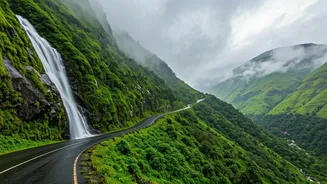
Nowhere is the monsoon’s power more evident than in the region’s countless waterfalls. Cascades that were mere trickles in May become roaring spectacles. In Kerala, the Athirappilly Falls, often called the Niagara of India, swells to its full, thunderous glory, a curtain of water crashing into the Chalakudy River. Further north in Karnataka, the legendary Jog Falls puts on its grandest show, with four distinct cascades—Raja, Rani, Roarer, and Rocket—plunging into the gorge below. Even the smaller, unnamed waterfalls that spring to life along every highway and ghat road add to the magic, turning a simple drive into a journey through a water-world. The backwaters of Alleppey rise, reflecting the grey skies, and the entire ecosystem feels replenished and alive.
The Flavours of the Season
This moody weather inspires a culinary shift. The desire for cool salads is replaced by a craving for warmth and spice. Roadside stalls and household kitchens along the coast come alive with the sizzle of deep-frying and the aroma of simmering curries. In Kerala, this means plates of hot pazham pori (banana fritters) and savoury parippu vada (lentil fritters), enjoyed with a steaming glass of chai. It is also the season for Karkidaka Kanji, a medicinal rice porridge designed to boost immunity. In coastal Karnataka, the menu features its own comforting delights, from spicy banana bondas to patrode, a dish of colocasia leaves stuffed with rice flour and spices. It’s food that warms you from the inside out, a perfect antidote to the damp air.
Embracing the Verdant Hills
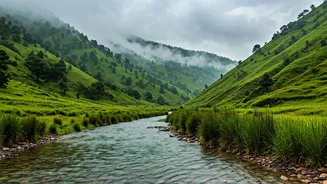
While the beaches become wild and largely unswimmable, the hill stations beckon. Places like Wayanad in Kerala and Agumbe in Karnataka, nestled in the Western Ghats, are arguably at their most beautiful during the monsoon. The tea estates of Munnar become a tapestry of a thousand shades of green, shrouded in a perpetual mist that drifts through the valleys. The coffee plantations of Coorg and Chikmagalur are washed clean, their leaves glistening with raindrops. For those willing to embrace the rain, a drive through the winding ghat roads offers breathtaking vistas at every turn—of cloud-filled valleys, verdant slopes, and the sheer, raw beauty of a landscape in rebirth. It is a time for quiet walks, cozy homestays, and losing yourself in the profound peace of the rain-soaked hills.