



What Is This ‘Planetary Meeting’?
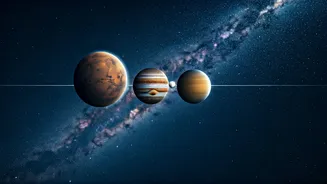
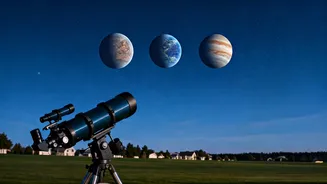
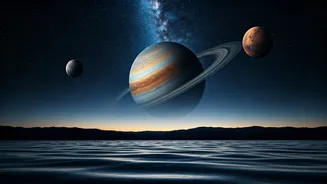
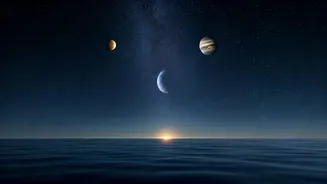
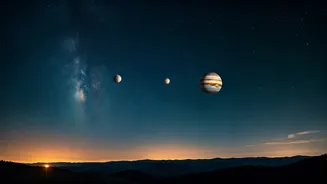
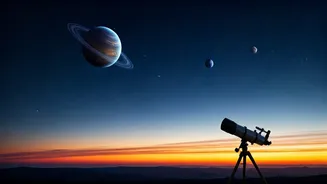
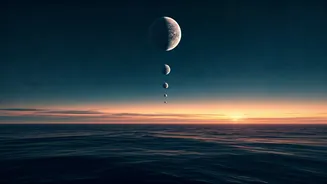
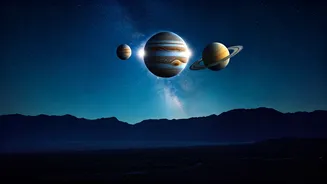
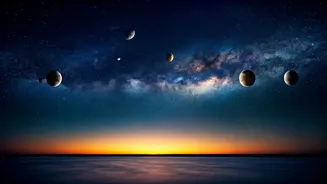
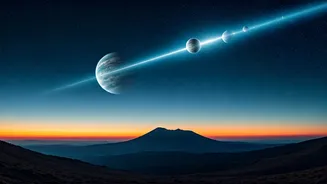
Don’t worry, the planets aren't holding a secret conference. In astronomical terms, this event is a conjunction or an alignment. From our vantage point on Earth, several planets appear to cluster closely together in a small patch of the sky. This happens
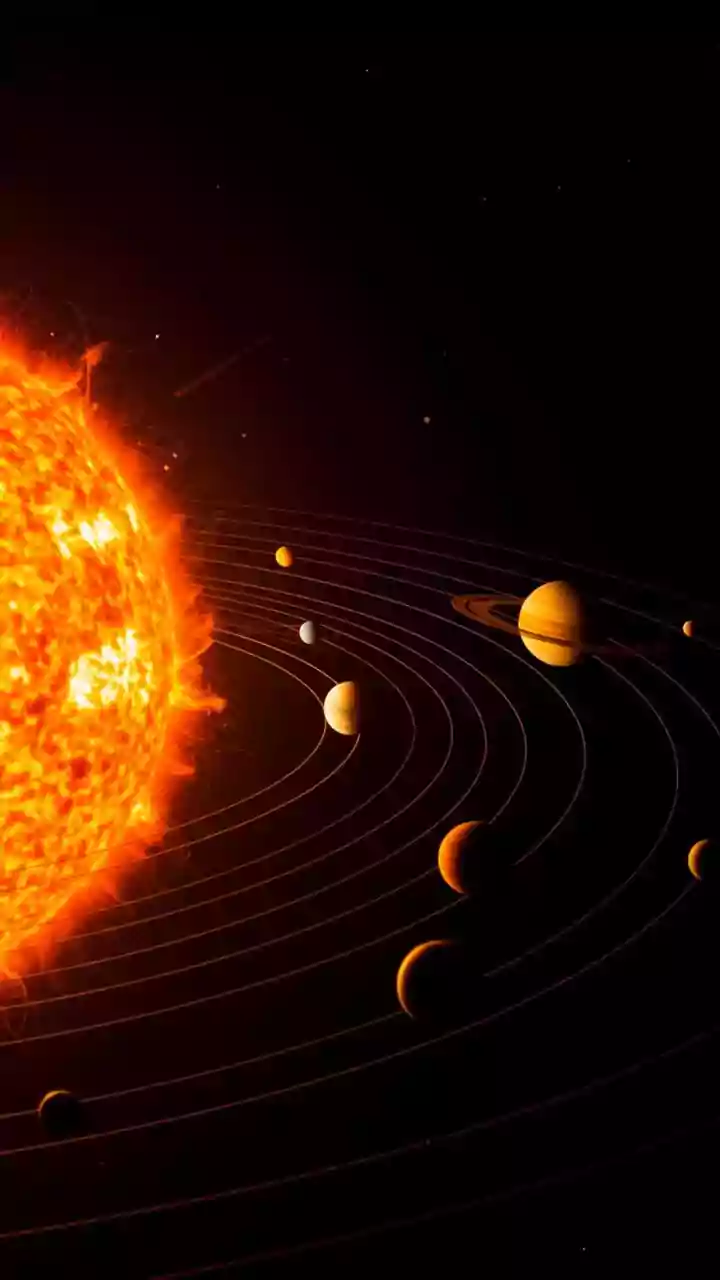
because all the planets in our solar system orbit the Sun on a relatively flat plane, like marbles rolling on a dinner plate. As they travel on their individual paths at different speeds, our line of sight from Earth occasionally causes them to look like they are side-by-side. Tonight's event will feature a beautiful arrangement of some of our brightest neighbours—likely Jupiter, Mars, and Saturn—creating a striking visual that stands out against the backdrop of distant stars.
Why This Celestial Show Is Special
While planetary conjunctions happen with some regularity, each one is unique. The term ‘rare’ isn't necessarily about a once-in-a-lifetime scientific event, but rather the specific beauty of this particular arrangement. The visibility, the specific planets involved, and their brightness make each alignment a distinct spectacle. More importantly, events like these are a powerful reminder of our place in the cosmos. They connect us to the grand, silent clockwork of the solar system. For centuries, our ancestors across India have looked up at the same planets, finding meaning and wonder. Tonight, you can share in that timeless experience with nothing more than your own eyes, offering a moment of peaceful perspective in our busy lives.
When and Where to Look Tonight
This is the most crucial part! The best viewing window will begin shortly after sunset. As the sky darkens, look towards the western horizon—the same direction where the sun just went down. The planets will be relatively low in the sky, so an unobstructed view is key. The show will be visible for a few hours before the planets dip below the horizon, well before midnight. The exact timing can vary by a few minutes depending on your location within India, but the general rule is simple: find a clear spot, look west after the sun has fully set, and give your eyes time to adjust to the growing darkness. This phenomenon is visible to the naked eye from anywhere in the country, weather permitting.
Your Guide to Spotting the Planets
How do you know you're looking at a planet and not just a bright star? Planets shine with a steady, unwavering light, whereas stars tend to twinkle. For tonight's alignment, look for the brightest point of light in the gathering—that will almost certainly be Jupiter, the king of the planets. It shines with a brilliant, silvery-white light. Nearby, you might spot Mars, which is distinguished by its distinct reddish or orange hue. Saturn will appear as a steady, golden-yellow point of light, not as bright as Jupiter but still easily noticeable. They will appear as a tight group or a rough line, making them easy to identify as the main event in that part of the sky. No special equipment is needed to tell them apart once you know what to look for.
Tips for the Best Viewing Experience
To make the most of this cosmic display, a little preparation goes a long way. First, try to get away from bright city lights. Light pollution from streetlamps and buildings can wash out the sky, making it harder to see celestial objects. Even moving to a local park or a darker rooftop can make a huge difference. Second, give your eyes about 15-20 minutes to fully adapt to the dark. Avoid looking at your phone screen during this time. If you do need help locating the planets, you can use a stargazing app like Stellarium or SkyView, but switch your phone to 'night mode' to preserve your night vision. Finally, be patient. Find a comfortable spot, perhaps with a blanket or chair, and simply enjoy the view. If you have binoculars, they will enhance the view, but they are absolutely not necessary to enjoy the show.