






A Fiery Gift from Halley's Comet
The Orionid meteor shower is an annual event caused by Earth passing through the dusty debris trail left by one of the most famous comets in history: 1P/Halley, or Halley's Comet. This comet takes about 76 years to orbit the Sun, and each time it swings
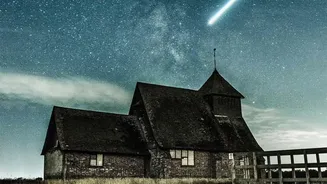
through the inner solar system, it leaves behind a river of ice and dust. When our planet crosses this path every October, these tiny particles, many no bigger than a grain of sand, burn up in our atmosphere at incredible speeds, creating the bright streaks of light we call meteors or 'shooting stars'. The Orionids are known for their speed and brightness, sometimes leaving glowing trails that can linger for a few seconds.
When and Where to Look in 2026
In 2026, the Orionid meteor shower will be active from early October to early November. The peak, when the most meteors are visible, will occur on the night between October 21 and the pre-dawn hours of October 22. During this peak, you might see 15 to 25 meteors per hour from a truly dark location. The meteors will appear to radiate from the constellation Orion, the Hunter, which rises in the east after midnight. However, you don't need to stare directly at Orion; the meteors can appear anywhere in the sky. A challenge for viewers in 2026 will be a bright waxing gibbous moon, which will be present in the evening sky. For the best show, it's recommended to wait until after the moon sets, which is around 3 a.m. local time, creating a dark window until dawn.
The Great Divide: City Lights vs. Dark Skies
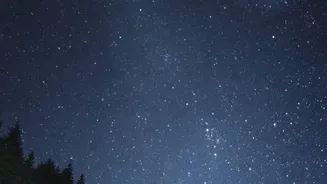
The single biggest factor determining your view of the Orionids in India is light pollution. In major metropolitan areas like Mumbai, Delhi, or Hyderabad, the constant glow from streetlights, buildings, and advertising signs creates a 'skyglow' that washes out all but the brightest celestial objects. From an urban centre, you might be lucky to see a few meteors per hour. To truly experience the shower, you need to escape the city. Driving even 50 to 100 kilometres away from a major city can dramatically increase the number of meteors you'll see. Rural areas, national parks, and remote villages offer the dark skies necessary for a memorable viewing experience.
How Geography and Weather Shape Your View
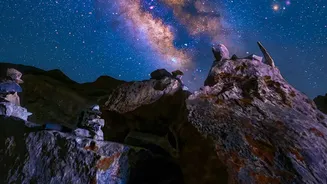
Your location within India also plays a crucial role. High-altitude regions are prime spots for meteor watching. Places like Ladakh and Spiti Valley in the Himalayas offer some of the darkest, clearest skies in the country due to their elevation, dry air, and minimal population. The Kumaon region in Uttarakhand, with spots like Kausani, is another excellent choice. In southern India, the hills of Coorg in Karnataka provide a good dark-sky escape. Latitude also has an effect. Because the radiant constellation, Orion, rises higher in the sky for observers closer to the equator, southern parts of India may have a slight advantage in the number of meteors seen per hour. Weather is the final variable. October is generally a good month for skywatching across India as the monsoon has typically ended, leading to clearer skies. However, localised clouds or coastal haze can still obstruct the view, so it's always wise to check the local forecast.
Simple Tips for a Successful Meteor Watch
You don't need a telescope or any special equipment to enjoy the Orionids—your eyes are the best tool. First, find a safe spot far from city lights with a wide, open view of the sky. Plan to be out after midnight, especially after the moon sets around 3 a.m. during the 2026 peak. Give your eyes at least 20-30 minutes to fully adapt to the darkness; avoid looking at your bright phone screen. Get comfortable by lying on a blanket or a reclining chair so you can look straight up without straining your neck. Finally, be patient. Meteor showers are not constant fireworks but rather a patient game of watching and waiting for those fleeting, beautiful streaks of light.