



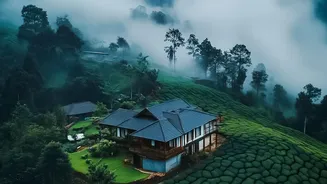

Embracing the Monsoon Magic
For years, the conventional wisdom for visiting Coorg, the ‘Scotland of India’, was to aim for the dry, sunny months. The monsoon, from June to September, was seen as the off-season, a time of logistical challenges and limited outdoor activity. But that
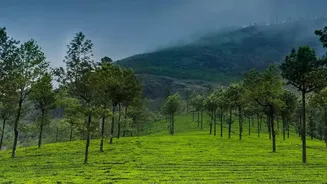
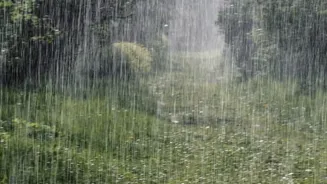
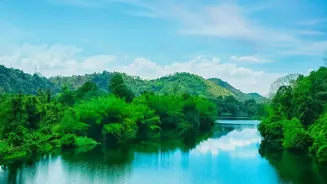
perception is dramatically shifting. Travellers are now seeking out Coorg precisely for its monsoon avatar. The rains transform the landscape into a breathtaking canvas of green. Hillsides are draped in mist, waterfalls like Abbey and Iruppu Falls swell from gentle streams into powerful, roaring spectacles, and the air is filled with the scent of wet earth and fresh foliage. Rather than a hindrance, the rain has become the main attraction, offering a tranquil, romantic, and deeply atmospheric experience that feels a world away from the bustling heat of Indian cities.
The Rise of the Slow Traveller
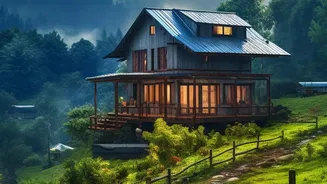
This trend is intrinsically linked to the rise of 'slow travel'—an approach that prioritizes depth over breadth. Instead of rushing through a checklist of tourist spots, slow travellers aim to connect with a place on a more meaningful level. It’s a conscious rejection of the hurried, often stressful, nature of modern vacations. The philosophy is simple: spend more meaningful time in fewer places, leaving room in the itinerary to simply be. This might mean reading a book on a veranda overlooking a valley, taking long, aimless walks, or spending an afternoon talking with a local host. This mindset finds its perfect match in Coorg's monsoon season, where the weather itself encourages a slower, more contemplative pace. With fewer crowds, travellers can experience the region's attractions without the rush, fostering a more personal and memorable connection.
The Heart of the Experience: Coffee Plantations
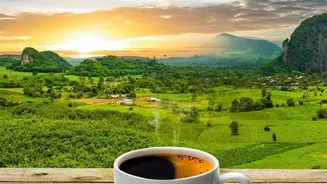
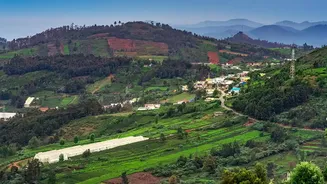
At the centre of this trend are Coorg’s iconic coffee estate homestays. These are not just places to sleep; they are the destination itself. Family-run estates and heritage bungalows offer guests an authentic slice of plantation life. Imagine waking up to the sound of birdsong, sipping freshly brewed coffee that was grown just metres away, and walking through lush plantations where pepper vines climb silver oak trees. Hosts often provide guided tours, explaining the intricate bean-to-cup journey, from the flowering of the coffee blossom to the final roast. The experience is deeply sensory—the aroma of coffee, the taste of home-cooked Kodava cuisine like pandi curry and akki roti, and the sight of mist rolling through the valleys. This immersive environment is the very essence of what slow travellers seek.
A Sanctuary from Over-Tourism
The move toward off-season travel is also a quiet rebellion against over-tourism. Popular destinations during peak season can often feel crowded and commercialised, diminishing the very beauty travellers come to see. By choosing Coorg in the monsoon, visitors find a quieter, more authentic version of the hill station. The usual tourist hubs are less congested, allowing for more peaceful enjoyment of places like Raja's Seat or the serene banks of the Cauvery river. This slower pace is often complemented by more attractive pricing for accommodation and transport, making a longer, more relaxed stay more accessible. It’s a win-win: travellers get a more serene and affordable holiday, while tourism revenue is distributed more evenly throughout the year, easing the pressure on the local environment during peak months.
What a Slow Day Looks Like
A day for a slow traveller in a monsoon-swept Coorg homestay is defined by its lack of a rigid schedule. The morning might begin with a cup of estate-grown coffee on a porch, watching the rain nourish the vibrant green landscape. It could be followed by a leisurely walk through the plantation, a guided tour to understand the local flora, or simply getting lost in a good book. After a lunch of traditional local fare, the afternoon could be spent visiting a nearby waterfall, now at its most majestic, or simply enjoying a nap as the rain patters on the roof. The evening is for conversation, perhaps around a campfire if the rain subsides, sharing stories with the host family and fellow travellers. It's a rhythm dictated by nature and personal whim, not by a packed itinerary.