




The Allure of the Post-Monsoon Hills
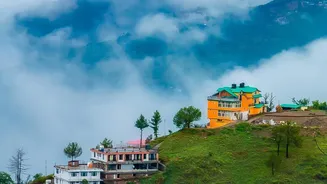
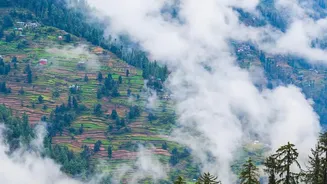
As the heavy rains recede, a sense of renewal settles over the Indian Himalayas. For travellers, this period is often seen as the perfect window for a mountain getaway. The oppressive summer heat is gone, the landscapes are lush and emerald-green, and the festive
season brings a vibrant energy to hill towns. Destinations like Shimla, Manali, Mussoorie, and those in the wider Himalayan region beckon with promises of stunning vistas and pleasant weather. With the end of the monsoon, tourists often rush to the hills, leading to heavy traffic on popular routes like the Chandigarh-Shimla and Badrinath highways. This peak travel season, however, coincides with a period of significant geological instability.
The Ground Beneath Your Wheels
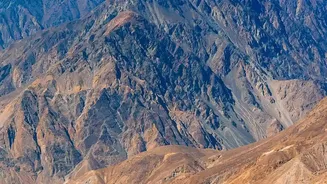
The primary danger of post-monsoon travel lies in what months of relentless rain have done to the soil and rock. The ground is supersaturated with water, much like a sponge that can’t absorb another drop. This dramatically reduces the stability of slopes, especially in the geologically young and fragile Himalayas. The soil loses its cohesive strength, making it prone to giving way under the slightest pressure. This phenomenon is exacerbated by factors like deforestation and unplanned construction, which weaken the natural ability of slopes to hold themselves together. Intense, erratic rainfall, a hallmark of modern monsoons, often reactivates old, dormant landslide zones, causing areas that seemed stable for years to suddenly fail.
Landslides, Slips, and Washed-Out Roads
The most visible and dangerous consequence of saturated soil is landslides. These can range from minor rockfalls that litter the road with debris to massive slides that wash away entire sections of highway, cutting off communities for days. During and immediately after the monsoon, incidents of falling boulders and road blockages are frequent on major national highways like the Gangotri and Yamunotri routes. Beyond dramatic landslides, travellers must also be wary of road subsidence, where the ground beneath the tarmac sinks, creating dangerous depressions or cracks. Flash floods can also remain a threat, as overflowing rivers and streams can damage bridges and culverts, sometimes leading to their complete collapse.
A Pre-Travel Safety Checklist
Safe travel in the post-monsoon period is not about avoiding the hills, but about being prepared. Before you even start your engine, a few crucial checks can make all the difference. First, meticulously check weather forecasts from reliable sources like the India Meteorological Department (IMD) for both your destination and the entire route. Pay attention to district-level alerts, not just state-wide forecasts. Contact local authorities or hotel owners to inquire about current road conditions. Build buffer days into your itinerary; a journey that should take six hours could easily take twelve if a road is blocked. Ensure your vehicle is in top condition, paying special attention to tyres, brakes, and wipers, as wet and slippery conditions make good grip and visibility non-negotiable.
Safe Driving on Mountain Roads
Once on the road, adjust your driving style for the conditions. The most important rule is to drive at a controlled, slower speed, as braking distances are significantly longer on wet surfaces. Avoid night driving, as poor visibility can hide hazards like fallen rocks or patches of mud. Be hyper-aware of your surroundings. Look for warning signs like small trickles of mud or water on the road, fresh cracks in the hillside, or trees leaning at odd angles, as these can signal an impending landslide. Never attempt to drive through fast-flowing water crossing the road; its depth and force are impossible to judge from your car. If you encounter a blocked road, be patient and wait for instructions from authorities rather than taking unverified detours on smaller, potentially more dangerous roads.