





The Seeds of an Industry
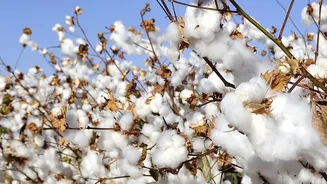
Long before the first smokestack rose, Coimbatore's destiny was rooted in its soil. The region's rich black soil and moderate climate were perfect for cultivating cotton. This natural advantage, which had supported weaving traditions for centuries, set
the stage for an industrial revolution. For years, local farmers grew cotton that was largely processed elsewhere. However, as the late 19th century dawned, a new era of local enterprise began to sprout, forever changing the city's landscape and economy.
Pioneering Mills and Visionaries
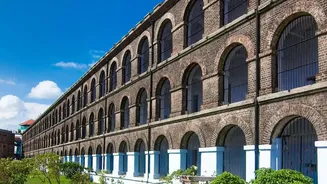
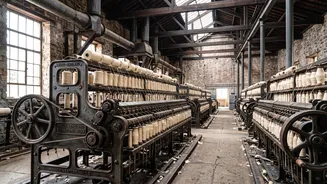
The industrial chapter of Coimbatore's textile story began in 1888 with the establishment of the Coimbatore Spinning and Weaving Mills (CS&W Mills). It was founded by Sir Robert Stanes, a British entrepreneur who saw the immense potential in processing the region’s cotton locally. This single mill acted as a catalyst. Its success inspired a wave of local entrepreneurs. Indian-owned mills like Kaleeswarar Mills (1906), Sri Ranga Vilas Mills (1922), and the iconic Lakshmi Mills (founded in 1910) soon followed, each adding to the burgeoning industrial might of the city. These weren't just factories; they were institutions that would employ thousands and build a new future for the entire region.
Earning the 'Manchester' Title
So, why 'Manchester'? In the 19th and early 20th centuries, Manchester in the UK was the undisputed heart of the global textile industry, powered by the Industrial Revolution. Coimbatore's rapid transformation into a hub of spinning and weaving mills mirrored this development. The city became a powerhouse of cotton production and textile manufacturing, with mills working around the clock. A crucial turning point came in the 1930s with the arrival of hydroelectric power from the Pykara project, which enabled the mills to scale up their operations dramatically. The sheer volume and quality of yarn and fabric produced in Coimbatore cemented its reputation and earned it the fitting title of the 'Manchester of South India'.
The Golden Age of Textiles
The mid-20th century was the golden era for Coimbatore's textile industry. The city was home to over 25,000 textile-related businesses, from large-scale spinning mills to smaller handloom units. This ecosystem not only dominated the city's economy but also shaped its culture. The establishment of organisations like the Southern India Mills' Association (SIMA) helped standardise practices and advocate for worker welfare, setting a progressive tone for the industry. The textile boom funded the growth of educational institutions, hospitals, and other infrastructure, much of which was established by the very families who owned the mills, embedding their legacy into the city's social fabric.
A Legacy Woven into the Modern City
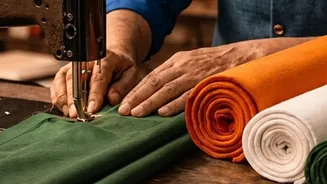
Today, while Coimbatore has diversified into engineering, IT, and healthcare, its textile heritage remains a core part of its identity. Many of the original mills have closed or transformed, but their legacy endures. Some historic mill compounds, like the former Lakshmi Mills site, are being repurposed into modern commercial and cultural hubs, blending old industrial architecture with new uses. These projects serve as a physical reminder of the industry that built the city. Meanwhile, the spirit of textile innovation continues with a focus on technical textiles and high-quality handlooms like the GI-tagged Kovai Kora Cotton sarees, ensuring the thread of this heritage is never broken.