



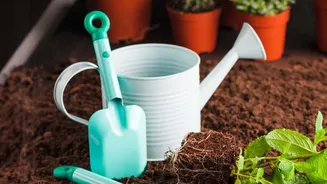
Monsoon-Proof Your Pots
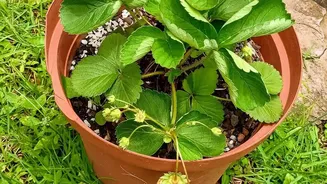
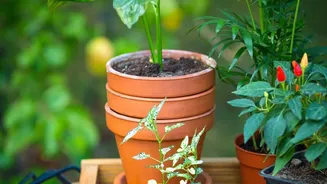
The biggest enemy during the rainy season is not a lack of water, but too much of it. Root rot is a common and swift killer of potted plants when their roots sit in waterlogged soil. The first and most crucial hack is ensuring excellent drainage. Check
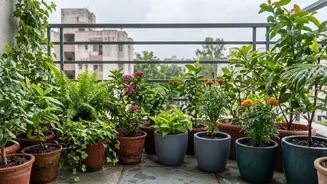
that every pot has multiple drainage holes. If a pot seems to be holding water, gently clear the holes. A game-changing tip is to elevate your pots. Placing them on pot stands, bricks, or even simple bottle caps creates an air gap underneath, allowing excess water to escape freely and preventing the base from sitting in a puddle. This simple step is your primary defence against the dreaded root rot that plagues many Indian gardens during the monsoon.
The Right Soil Mix
Monsoon gardening is less about watering and more about managing excess moisture. Standard garden soil becomes heavy and compacted when wet. To counter this, create a light, airy, and fast-draining potting mix. A winning formula for herbs is one part garden soil, one part compost for nutrients, and one part cocopeat or sand to improve aeration and drainage. For herbs especially prone to rot, like basil, you can even add more perlite or small gravel to the mix. This soilless blend ensures that even after a downpour, the soil doesn't turn into sludge, allowing roots to breathe.
Basil Care: The Humidity Challenge
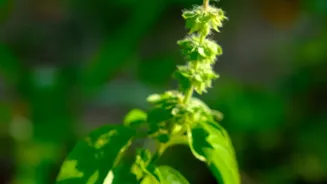
Basil loves the sun but despises wet feet, making it tricky during monsoons. High humidity can lead to fungal diseases and leaf rot. The key hack is placement. Shelter your basil pot from direct, heavy rainfall by placing it under a roof overhang or in a covered part of the balcony. It still needs about four to five hours of sunlight, so find a spot that gets bright, indirect light. Water only when the top inch of the soil feels dry to the touch—a critical rule during the rains. To promote bushier growth and prevent the plant from flowering prematurely, pinch off the top sets of leaves regularly. This encourages the plant to grow more leaves, giving you a continuous supply for your pesto and curries.
Mint Care: Containing the Beast
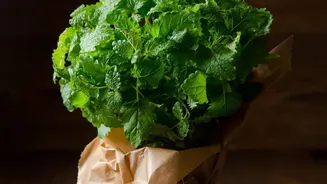
Mint is a wonderfully resilient herb that thrives in the moist conditions of the monsoon. In fact, it can grow so aggressively that it takes over other plants. The most important hack for mint is to give it its own pot. It spreads through runners, and containing it ensures it doesn't choke out its neighbours. While mint enjoys moisture, it still needs good drainage to prevent its roots from rotting. Keep the soil consistently damp but not waterlogged. Harvest often by snipping stems; this encourages the plant to become fuller and more productive. A pot of fresh pudina for your monsoon chai or chutney is one of gardening's simplest pleasures.
Lemongrass Care: The Sun Worshipper
Lemongrass is a tough, tropical grass that absolutely loves the Indian climate, including the monsoon. It is relatively low-maintenance but has one non-negotiable demand: sunlight. Ensure your lemongrass pot gets at least five to six hours of full sun daily. It is quite tolerant of heavy rain as long as the pot has excellent drainage. A great hack for a continuous supply is to use stalks from the market. Simply place a few fresh stalks in a glass of water, and roots will sprout in a week or two. Plant these rooted stalks in a large, deep pot filled with a rich soil mix. Water it well, and soon you’ll have your own supply for teas and Thai curries, with the added benefit that its citronella oil naturally repels mosquitoes.