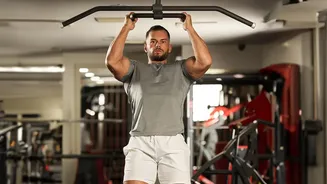








The Brain-Boosting Power of a Short Workout
It might feel counterintuitive to use precious study time for exercise, but science shows it is one of the smartest study breaks you can take. When you engage in physical activity, even for just 20 minutes, you increase blood flow and oxygen to your brain.
This process stimulates the release of key chemicals, including brain-derived neurotrophic factor (BDNF), a protein that supports the growth of new brain cells and strengthens connections linked to learning and memory. Studies have demonstrated that students who exercise regularly often perform better on cognitive tests and have better memory retention. A short burst of moderate-to-vigorous activity can enhance your ability to focus, plan, and process information for hours afterwards.
Beat Stress and Lower Anxiety
The pressure of exams can cause a spike in cortisol, the body’s primary stress hormone, leading to anxiety, poor sleep, and mental blocks. Exercise is a natural and potent stress reliever. Physical activity prompts the brain to release endorphins, often called 'feel-good' chemicals, which naturally improve your mood and reduce feelings of tension. Even a brief workout can help lower cortisol levels, calming your nervous system and allowing for clearer thinking. By managing stress effectively, you not only feel better but also improve your brain's ability to consolidate memories, which is crucial for retaining all the information you've been studying.
Why 20 Minutes is the Magic Number
During exams, time is your most valuable asset. The thought of a long, gruelling gym session can be demotivating. That’s why a 20-minute routine is so effective. It is short enough to fit into any study schedule but long enough to trigger significant cognitive and physical benefits. Research indicates that this duration is sufficient to boost focus and energy without causing the physical exhaustion that could derail your study plans. The goal is consistency over intensity. A daily 20-minute workout is far more beneficial during exam season than one exhaustive session a week, as it keeps your energy levels and mental clarity stable.
The No-Excuses Hostel Room Workout
You don't need a gym or fancy equipment to get your heart rate up. A full-body workout can easily be done in the small space of a hostel room. The key is to focus on compound movements that work multiple muscle groups at once. Here’s a simple, effective 20-minute routine: 1. Warm-up (2 minutes): Start with light movements like jumping jacks, high knees, or arm circles to get your blood flowing. 2. The Circuit (15 minutes): Perform each of the following exercises for 45 seconds, followed by 15 seconds of rest. Complete the entire circuit three times. Bodyweight Squats: Keep your chest up and back straight as you lower your hips. Push-ups: On your toes or knees, keeping your core engaged. Lunges: Step forward and lower your hips until both knees are bent at a 90-degree angle. Alternate legs. Plank: Hold a straight line from your head to your heels, engaging your core. * Glute Bridges: Lie on your back with knees bent and lift your hips toward the ceiling. 3. Cool-down (3 minutes): Finish with some gentle stretching for your major muscle groups, holding each stretch for 20-30 seconds.
Make It a Sustainable Habit
The hardest part of any routine is sticking with it, especially when you’re tired. To make exercise a non-negotiable part of your exam prep, try scheduling it in your calendar like a study session. Think of it as 'active revision'. Working out with a roommate can also provide motivation and accountability. Listen to your body—on days you feel particularly exhausted, a brisk walk or some simple stretching is better than nothing. The key is to build a habit that serves you, helping you walk into your exams feeling not just prepared, but also energised, focused, and mentally resilient.