






A Return to Regional Roots
For years, the non-alcoholic beverage space in India was dominated by international colas and generic fruit juices. But a significant shift is underway. Bartenders and cafe owners are increasingly looking inwards, rediscovering a rich pantry of local
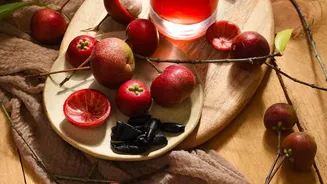
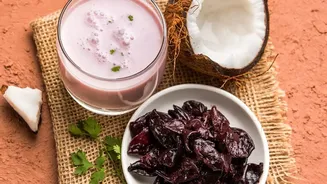
fruits that have been part of Indian culinary traditions for centuries. Fruits like the tangy kokum from the Konkan coast, the sweet-tart jamun, and the fragrant bael are no longer just for homemade sherbets. They are now the star ingredients in sophisticated, modern mocktails, offering a taste that is both novel and deeply familiar. This trend isn't just about flavour; it's a cultural reclamation, celebrating India's immense botanical diversity.
Flavour Beyond the Sweetness
One of the biggest reasons for this shift is the demand for more complex, adult flavours in non-alcoholic drinks. Consumers, especially those looking for alternatives to alcohol, want more than just a sugar rush. Indigenous fruits deliver this in spades. Kokum, for example, offers a unique sourness and a slightly fruity, astringent finish that is incredibly refreshing. Jamun provides a beautiful deep purple hue along with a taste that balances sweetness and astringency perfectly. This natural complexity means that mixologists can create layered, interesting drinks without relying on artificial additives or excessive sugar. A simple cold-steeped kokum or jamun infusion, topped with sparkling water and a pinch of black salt, can be more satisfying than any mass-produced beverage.
The Undeniable Wellness Wave
Health consciousness is a major driver of this trend. Many of these indigenous fruits are considered 'superfoods' in traditional Indian medicine and are now being recognized for their scientifically-backed benefits. Kokum is celebrated in Ayurveda as a digestive aid and a cooling agent, rich in antioxidants and compounds like hydroxycitric acid (HCA), which is studied for its role in appetite regulation. Jamun is a powerhouse of nutrients, packed with antioxidants, vitamin C, and iron. It has been traditionally used to help manage blood sugar levels, improve digestion, and boost immunity. As patrons become more mindful of what they consume, a drink that offers functional health benefits alongside great taste is an easy winner.
More Than Just Kokum and Jamun
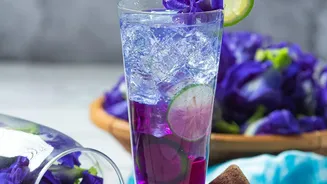
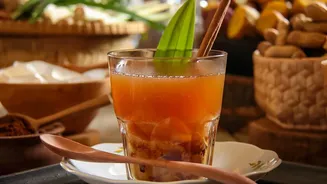
While kokum and jamun are leading the charge, they are part of a much broader movement. A whole spectrum of regional Indian fruits and ingredients are finding their way into cafe menus. Raw mango (for aam panna), bael (wood apple), phalsa (Indian sherbet berry), and even gondhoraj lime are being used to create unique and memorable drinks. Companies that create artisanal syrups are championing these local ingredients, making it easier for cafes across the country to incorporate authentic Indian flavours into their offerings. This not only diversifies the menu but also supports local farmers and promotes a more sustainable, farm-to-glass approach to beverage making.