





Start With a Pet's-Eye View
Before making any changes, get down on your hands and knees. Seeing your home from the height of your dog or cat offers a new perspective. You’ll notice dangling electrical cords that look like chew toys, precarious heavy objects they could knock over,
and small spaces they might get stuck in. This simple exercise helps you identify potential hazards you might otherwise overlook. It also reveals their world: the tempting textures, the fascinating smells wafting from under the door, and the sunbeams they cherish. A truly pet-friendly home is designed with this view in mind, prioritising their safety and comfort above all else.
Choose Durable Floors and Fabrics
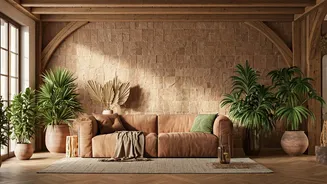
Life with pets involves fur, muddy paws, and the occasional accident. Your choice of materials can make cleanup a breeze or a nightmare. Hard surfaces like ceramic or vitrified tiles, common in many Indian homes, are excellent choices. They are cool to lie on during hot weather, easy to clean, and don't trap odours or allergens. For furniture, opt for durable, tightly woven fabrics like canvas or microfiber. Leather is also easy to wipe clean, though it can be susceptible to scratches. Consider using washable throws or slipcovers on sofas and chairs. They add a layer of protection and can be easily tossed into the wash when they get dirty, keeping your home fresh and clean.
Create Designated 'Pet Zones'
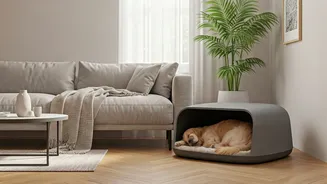
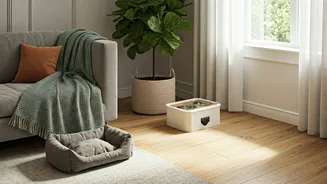
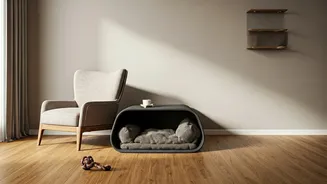
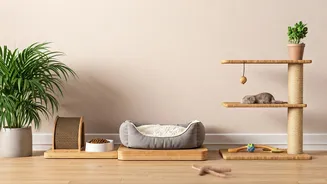
Just like us, pets appreciate having a space to call their own. A designated 'pet zone' gives them a sense of security and belonging. This doesn’t have to be a large area. It can be a quiet corner of the living room with their bed, a favourite blanket, and a few toys. Place their food and water bowls in a low-traffic area where they can eat and drink peacefully without being disturbed. This also helps contain messes. Having a specific spot for their belongings keeps your home organised and teaches your pet where their safe space is, which can be particularly comforting during stressful times like thunderstorms or when guests are over.
Embrace Vertical Space
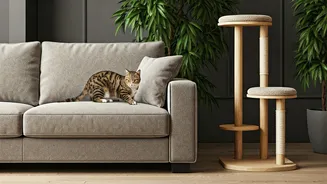
This is especially crucial for cat owners and those living in smaller apartments. Cats are natural climbers and feel safer when they can survey their surroundings from a high vantage point. Installing wall-mounted shelves, cat trees, or sturdy window perches provides an outlet for this natural behaviour. It not only enriches their environment but also gives them an escape route from a boisterous dog or curious child. This vertical world expands their territory without taking up valuable floor space, making your home feel bigger for both you and your feline friend.
Select Pet-Safe Houseplants
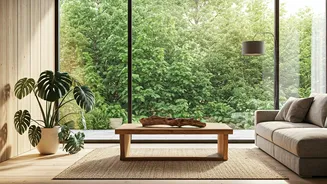
Greenery adds life to a home, but many common houseplants are toxic to pets if ingested. Before bringing a new plant home, do your research. Popular but poisonous plants to avoid include money plants (Pothos), lilies, snake plants, and philodendrons. Instead, opt for pet-safe alternatives like areca palms, spider plants, Boston ferns, or prayer plants. If you can't part with a toxic plant, ensure it is placed on a high shelf or in a room that is completely inaccessible to your pet. Better safe than sorry.
Secure Windows and Balconies
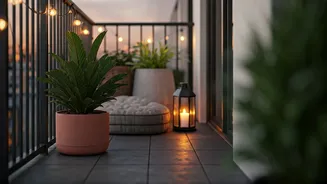
In urban India, many of us live in apartments with balconies and large windows. While great for ventilation and views, they pose a significant risk to pets. A curious cat or an excited dog can easily slip through an unsecured opening. Installing sturdy mesh or netting over balconies and windows is a non-negotiable safety measure. It allows your pet to enjoy the fresh air and sounds of the outdoors without the risk of a tragic fall. Ensure there are no gaps and that the installation is secure enough to withstand your pet’s weight and curiosity.