




The Driving Force: Why Less is the New Luxury
The trend towards multifunctional furniture isn't just about aesthetics; it's a practical response to modern urban life. With real estate in metropolitan areas commanding premium prices, living spaces are often compact. This reality has pushed designers
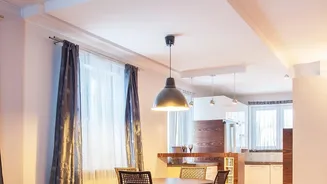
and homeowners to rethink the very purpose of furniture. The goal is no longer to fill a room, but to free it up. This shift is also powered by the growing popularity of minimalist design, which champions clean lines, uncluttered surfaces, and the idea that every object in a home should serve a purpose. This "less is more" philosophy creates a sense of calm and order, turning a small apartment into a serene retreat from the bustling city outside. It’s about choosing fewer, better pieces that can adapt to our needs, rather than cluttering our homes with single-use items.
The Modern Sofa Bed: Style Meets Function
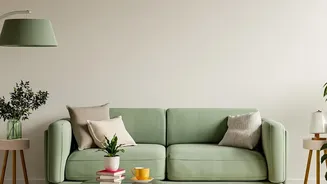
Perhaps the most classic example of hardworking furniture is the sofa bed. For years, it was often seen as a lumpy, uncomfortable compromise. Today, however, the sofa-cum-bed has undergone a major transformation. Modern designs are stylish, comfortable, and seamlessly integrated into chic living room setups. They serve as an attractive primary sofa during the day and convert into a genuinely comfortable bed at night, making them perfect for homes that frequently host guests or for studio apartments where the living room must also serve as the bedroom. Some contemporary models even include hidden storage compartments for bedding, further enhancing their space-saving credentials.
Dining, Working, and Living in One Space
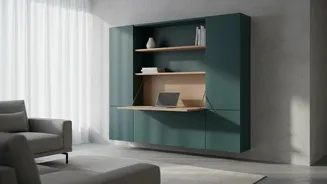
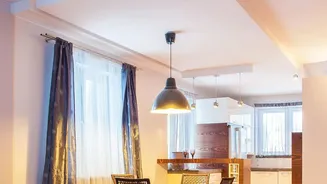
The traditional dining room is a luxury many city dwellers cannot afford. This has led to ingenious furniture solutions that cater to both dining and daily life. Foldable or wall-mounted dining tables, for instance, can be tucked away when not in use, instantly clearing floor space for other activities. Another popular option is the nesting table set. These tables can be spread out when guests are over and then neatly stacked to save space, serving as a compact side table. For those who work from home, the convertible desk has become a game-changer. A slim console table against a wall can unfold into a functional workspace, while some coffee tables feature a lift-top mechanism that brings the surface to a comfortable height for working on a laptop.
The Art of Hidden Storage
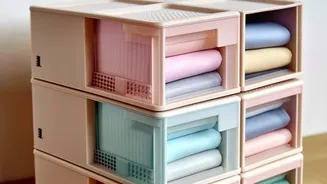
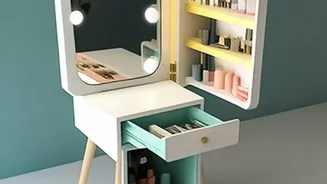
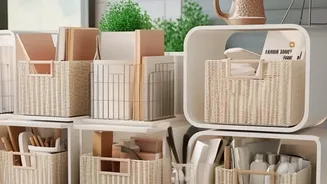
Clutter is the enemy of a small, peaceful home. Multifunctional furniture excels at providing clever storage solutions that keep everyday items out of sight. Storage ottomans and benches offer a place to sit while secretly stashing away blankets, magazines, or children's toys. Beds have also become storage powerhouses, with hydraulic lift mechanisms revealing a massive compartment underneath the mattress, perfect for storing seasonal clothing or extra linens. Even smaller pieces like bedside tables are now designed with deeper drawers or integrated shelving to maximize utility. By utilizing these hidden spaces, you can maintain a clean, organized look without sacrificing the things you need.
Thinking Vertically and Modularity
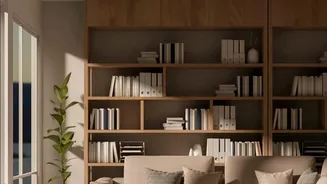
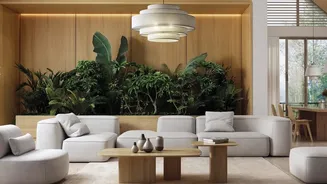
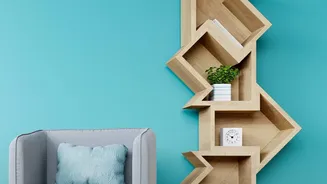
When you can't build out, you build up. This principle is key to maximizing a small home. Wall-mounted shelves and floating units free up the floor, creating an illusion of spaciousness. A tall, slim bookcase holds more than a low, wide one while occupying a smaller footprint. Another smart approach is modularity. Modular sofas, for example, can be reconfigured to suit different occasions—a cozy L-shape for movie nights or separate pieces for a party. Wall beds, also known as Murphy beds, are the ultimate space-savers, allowing a bedroom to transform into a home office, gym, or playroom in seconds by folding the bed vertically into a cabinet. These solutions prove that a small space doesn't have to feel restrictive; it just requires a little more creativity.