



Why Your Balcony Can Be a Mini-Sanctuary
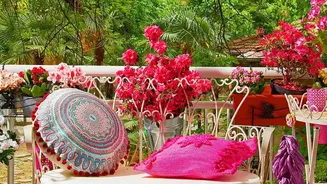
As cities expand, natural habitats become broken into smaller, disconnected patches. This makes it difficult for wildlife to find food and shelter. A balcony garden, no matter its size, can act as a crucial 'stepping stone' or a 'roadside café' for pollinators
and birds navigating the urban environment. When multiple homes in a neighbourhood create these green spaces, they form a network of mini-habits, helping biodiversity thrive against the odds. Studies have shown that even small, diverse gardens can support a surprising variety of species, from native bees to rare birds.
A Buffet for Butterflies
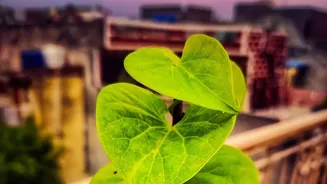
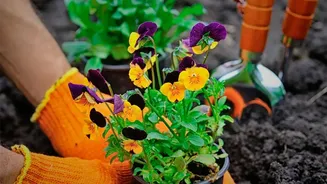
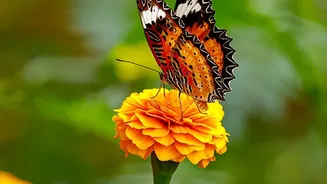
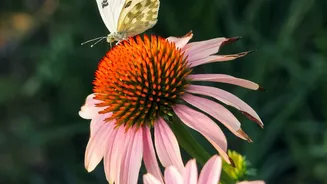
To attract butterflies, you need to think like one. They are drawn to brightly coloured, nectar-rich flowers. Plants like Marigold, Zinnia, Lantana, and Pentas are excellent choices that are easy to grow in pots. Native species are particularly effective; for instance, Indian Blanket Flower (Gaillardia) is a favourite for many local butterfly species. To create a truly supportive habitat, also include 'host plants'—the specific plants that butterflies lay their eggs on. For example, a lemon or curry leaf plant can become a nursery for the caterpillars of certain butterfly species, ensuring you’re supporting their entire life cycle.
The Right Menu for Birds
Birds are attracted to gardens that offer a varied menu. Sunflowers are a fantastic dual-purpose plant; they provide nectar for pollinators when in bloom and their seed heads become a feast for finches and sparrows later on. Native Hibiscus and Bottlebrush flowers offer nectar that is especially loved by sunbirds. You can also plant species that produce berries or small fruits. If you choose to put out a bird feeder, fill it with seeds and grains suitable for local species and ensure it is placed in a safe, quiet spot. Remember to also grow plants that provide dense foliage, as this gives smaller birds a place to hide from predators and rest.
The Importance of Safe, Clean Water
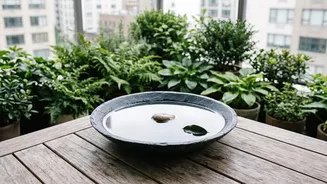
Water can be the single most powerful attractant for wildlife, especially during hot Indian summers when it is scarce. A bird bath is a great addition, but it must be shallow—no more than a few centimetres deep—with a rough surface for grip. A simple terracotta saucer or an upside-down bin lid can work perfectly. For butterflies and bees, which can drown easily, add a few pebbles or marbles to the dish to give them a safe place to land and drink. The key to preventing mosquitoes is to keep the water clean, refreshing it daily to avoid stagnation and the spread of disease.
Create Shelter and Go Chemical-Free
Beyond food and water, birds and butterflies need safe places to rest, away from wind and potential predators. Climbing plants or dense shrubs can provide this essential cover. Perhaps the most important rule for a wildlife-friendly garden is to completely avoid synthetic pesticides and fertilizers. These chemicals kill indiscriminately, wiping out beneficial insects like ladybirds and bees along with the pests. Instead, manage pests by hand-picking them, using a jet of water, or applying natural alternatives like neem oil. A healthy garden is not a sterile one; it is a balanced ecosystem where nature is allowed to find its own equilibrium.