




A Season of Extremes
The 2026 monsoon season, influenced by a strengthening El Niño, has been a tale of two Indias. While the all-India rainfall deficit hovered around 15% below the long-period average by mid-September, this single number masks a deeply fractured reality.
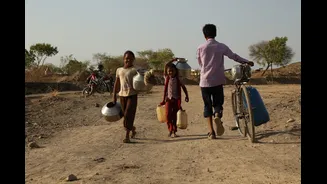
Some regions, like those in western and central India, received normal or even excess rain in spells, while others faced significant shortfalls. The south peninsula and east and northeast India were hit particularly hard, with deficits reaching as high as 28% and 25% respectively. States crucial for agriculture, such as Punjab, Haryana, Karnataka, and Andhra Pradesh, are staring at deficits unlikely to be erased, setting a precarious stage for the post-monsoon period.
The Immediate Toll on Kharif Crops
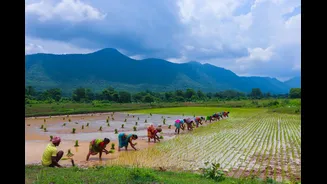
The most immediate consequence of this erratic rainfall is on the Kharif or monsoon crops, which are sown in June and July. Crops like rice, pulses, soybeans, and cotton are heavily dependent on timely rains. While overall sowing remained surprisingly resilient, the concern has now shifted from the area planted to the final yield. Rain-fed areas are particularly vulnerable. The uneven distribution—with prolonged dry spells followed by intense downpours—stresses crops, affecting growth and final output. This agricultural stress directly impacts the income of millions of farmers, forming the first ripple in a much larger economic wave.
Water Worries for the Winter
Beyond the farms, the monsoon's primary job is to replenish India’s vast network of reservoirs, which supply water for drinking, industry, and crucial winter irrigation. As of mid-September, the water storage in India's major reservoirs was significantly below normal levels and about 20% lower than the same period last year. This deficit is not uniform. While western and central regions saw some recovery, reservoirs in the northern and southern regions remain alarmingly low. For instance, key reservoirs in North India that supply Punjab and Haryana ended the filling season with levels far below last year's. This shortfall has direct implications for the upcoming Rabi (winter) crop season, which relies heavily on stored reservoir water for irrigation.
The Knock-On Effect: Rabi Crops and Inflation
The consequences of a poor monsoon extend far beyond September. The Rabi season, where crops like wheat, mustard, and gram are grown, is critically dependent on two factors: residual moisture in the soil from the monsoon and the availability of water in reservoirs. With deficits in both in many key agricultural states, the outlook for the winter crop is uncertain. Lower agricultural output from both Kharif and Rabi seasons can lead to a direct spike in food prices. With food inflation already a concern, a weak harvest could exacerbate the pressure on household budgets across the country in the coming months. The link between a poor monsoon and farm income remains strong, and this directly influences rural spending.
Broader Economic Tremors
The health of the rural economy is a major driver of India's overall GDP. When farm incomes fall, so does rural demand for everything from tractors to consumer goods. This slowdown can have a cascading effect across multiple sectors. Furthermore, low reservoir levels impact hydropower generation, forcing a greater reliance on coal and other energy sources, which can drive up power costs, as seen with the unusually high power demand in September. While India's economy has become more diversified and resilient, a significant agricultural disruption still poses a risk to growth forecasts. The uneven monsoon of 2026 is a stark reminder of the country's vulnerability to climate patterns and the deep, interconnected challenges that lie ahead.