




What Exactly is Kanji?
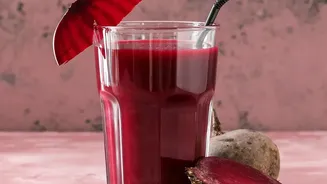
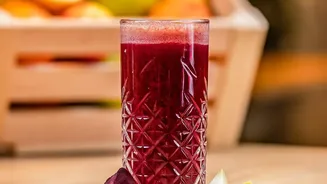
Kanji is a traditional fermented beverage popular across North India, especially during the winter-to-spring transition and festivals like Holi. At its core, it's a simple, sour, and savoury drink made by fermenting black carrots (kali gajar) or a combination
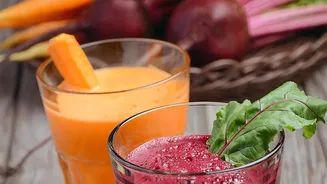
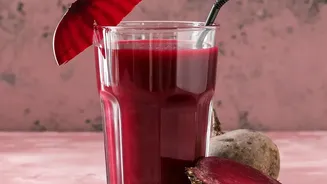
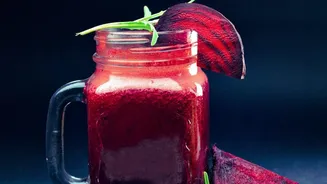
of beetroot and carrots in water with salt and coarsely ground mustard seeds. The mixture is left in the sun for several days, allowing natural fermentation to occur. This process creates a tangy, pungent flavour and transforms the liquid into a probiotic-rich tonic. While the deep purple-red hue is its signature look, the real magic lies in the simple, age-old science of fermentation that our grandparents understood well.
The Probiotic Powerhouse
The headline claim for Kanji is its probiotic content, and for good reason. The fermentation process relies on naturally occurring lactic acid bacteria, similar to those found in yogurt and kimchi. These beneficial bacteria, primarily from the Lactobacillus family, help cultivate a healthy gut microbiome, which is crucial for digestion, immunity, and overall well-being. A healthy gut environment aids in nutrient absorption, can reduce issues like bloating and constipation, and may even help regulate inflammation. Unlike many commercial probiotic supplements, homemade Kanji is a natural, preservative-free way to introduce these friendly microbes into your system. The mustard seeds used in the recipe not only add to the signature pungent flavour but also contain antimicrobial properties that help prevent the growth of harmful bacteria during fermentation.
Beyond Probiotics: The Black Carrot and Beetroot Advantage
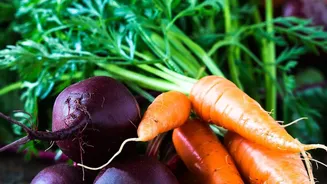
While fermentation is key, the core ingredients bring their own impressive nutritional profiles. Black carrots, the traditional base for Kanji, are packed with anthocyanins—powerful antioxidants that give them their dark purple colour. These compounds help protect the body from oxidative stress and have anti-inflammatory properties. Black carrots are also a good source of dietary fibre, Vitamin A, and minerals that support everything from eye health to heart health. Beetroots, often used as a substitute or addition, are rich in folate, manganese, and dietary nitrates, which are known to improve blood flow and support cardiovascular health. Both vegetables contribute to better digestion and help support the body's natural detoxification processes.
How to Make Your Own Kanji
Making Kanji at home is surprisingly simple and requires just a few ingredients and some patience. You'll need a large, clean glass or ceramic jar, as metal can interfere with fermentation. Ingredients: 4-5 medium black carrots (or 3 regular carrots and 1 small beetroot), 1.5 to 2 litres of water, 2 tablespoons of coarsely ground mustard seeds (rai), 1-2 teaspoons of salt (black salt or sea salt work well), and red chilli powder to taste (optional). Method: Wash, peel, and cut the carrots and beetroot into thin, finger-length sticks. Place them in the jar. Add the ground mustard seeds, salt, and chilli powder. Pour in the water and stir everything well with a clean spoon. Cover the mouth of the jar with a muslin cloth and secure it. Place the jar in a sunny spot for 3 to 5 days, stirring it once daily. The Kanji is ready when it develops a tangy, slightly pungent taste. Once fermented, you can store it in the refrigerator for up to a week. Serve chilled, with a few of the vegetable pieces in the glass.