




The Urban Squeeze and the Search for Space
Across India's bustling metropolises, apartment sizes have been shrinking while the cost of living continues to climb. This reality has turned every square foot into precious real estate. For many families, the dream of a spacious home is replaced by
the practical challenge of fitting a life's worth of belongings into a compact floor plan. This isn't just about finding a place for your clothes and utensils; it’s about accommodating festival decorations, extra mattresses for guests, seasonal wear, and the cherished belongings of a multi-generational family. The resulting clutter is more than just a physical problem; it's a daily source of stress.
Beyond Tidiness: The Mental Dividend
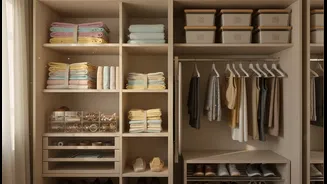
The most significant impact of a well-organised home isn't aesthetic, but psychological. Living in a cluttered environment is linked to higher levels of the stress hormone cortisol, increased anxiety, and a reduced ability to focus. Our brains are wired to be distracted by physical chaos, which can lead to mental fatigue and irritability. By creating an organised space, you aren't just cleaning up; you're creating an environment of calm and control. This decluttered state reduces cognitive overload, sharpens focus, and can significantly boost your overall mood and sense of well-being. The feeling of accomplishment from organising a space can provide a genuine mental lift.
The Practical Magic of Multifunctional Furniture
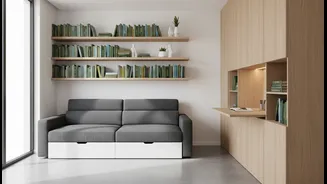
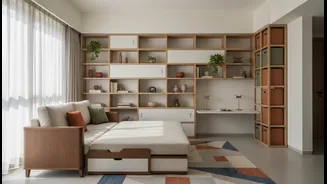
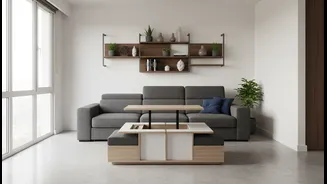
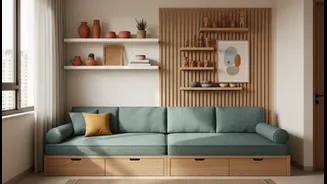
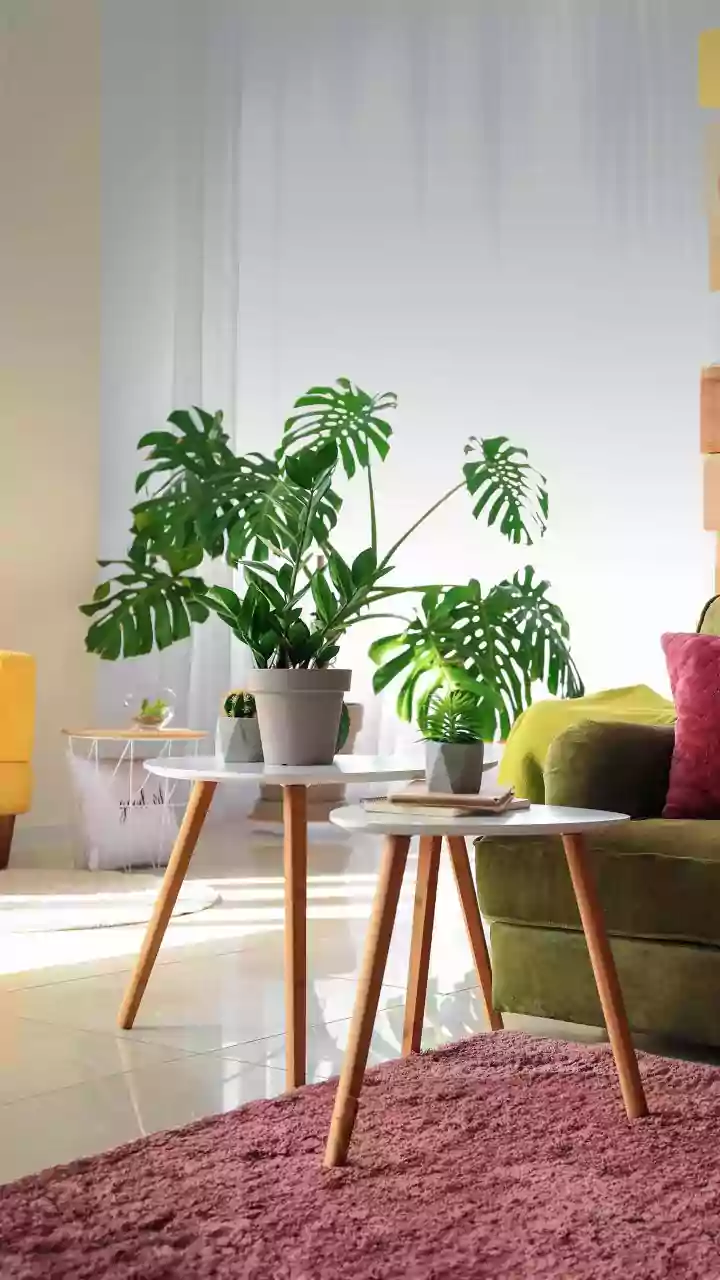
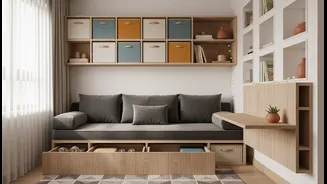
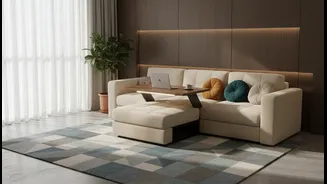
The cornerstone of a storage-efficient home is furniture that works harder. In the context of a small Indian flat, this means embracing pieces that serve multiple purposes. A sofa-cum-bed is no longer just for occasional guests; it's a practical daily solution for seating and sleeping. Beds with hydraulic lifts or built-in drawers can replace the need for an entire extra cupboard, freeing up valuable floor space for movement. Nesting tables offer flexible surfaces that can be spread out for entertaining and stacked away neatly afterwards, while storage ottomans can act as extra seating, a footrest, and a hidden home for blankets or toys. These pieces transform a static room into an adaptable, functional space.
Thinking Vertically: The Unused Frontier
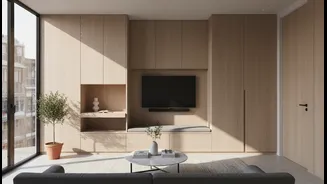
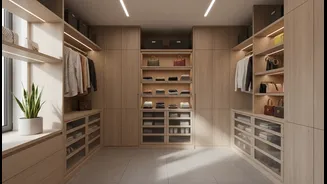
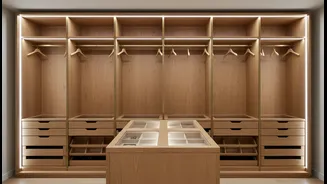
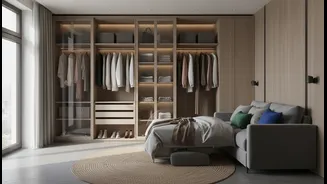
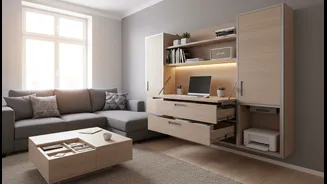
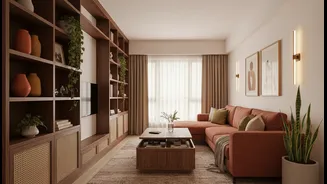
When floor space is limited, the only way to go is up. Indian apartments often have generous ceiling heights, which present a massive, underutilised storage opportunity. Floor-to-ceiling wardrobes or modular shelving units can dramatically increase storage capacity, providing a home for items that are not needed daily, such as luggage or seasonal woollens. In the kitchen, wall-mounted racks for utensils and magnetic spice containers can clear up counter space. Even the area above door frames can be fitted with floating shelves to store books or decorative items. Thinking vertically shifts the storage burden from the floor to the walls, making rooms feel larger and more open.
The Financial Footprint: Saving More Than Space
Investing in smart storage is often far more cost-effective than upgrading to a larger home. The difference in monthly rent between a 2BHK and a 3BHK in a major city can be substantial. A one-time investment in multifunctional furniture or custom cabinetry can help you maximise your current space, potentially saving you lakhs in rent, deposits, and moving costs over the years. Some estimates suggest that proper storage can increase a flat's functional space by up to 40% and even add to its resale value. Furthermore, an organised home prevents you from buying duplicate items you forgot you owned, and purpose-built solutions protect valuables from damage, saving on replacement costs.