








The New Face of Doggy Dinners
The conversation around dog food in India's cities is no longer just about which brand of kibble is on sale. Instead, pet parents are discussing subscription services that deliver pre-portioned, freshly cooked meals right to their doorsteps. This trend
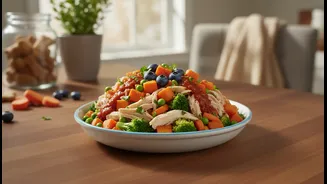
marks a significant departure from the traditional reliance on dry, processed pellets. Urban Indian pet parents are increasingly seeking out meals made with identifiable, human-grade ingredients like real chicken, fish, vegetables, and functional additions such as pumpkin or coconut oil. This shift is driven by a desire for transparency and quality, reflecting a growing dissatisfaction with the heavily processed nature of conventional dog food, which often contains complex ingredients and preservatives.
A Prescription for Health
The biggest drivers of the fresh food movement is the focus on health and wellness. Pet owners report visible benefits like improved digestion, healthier skin, shinier coats, and increased energy levels in their dogs. Fresh food's higher moisture content (around 75-80%) naturally supports hydration, which is especially crucial in India's climate. Its high digestibility means dogs absorb more nutrients, resulting in better and firmer stool quality. For dogs with sensitive stomachs, allergies, or chronic skin issues, these diets—often free of common allergens like gluten, corn, or soy—can be transformative, sometimes achieving results that premium kibble could not.
The All-Important Vet Approval
The term "vet-approved" is a cornerstone of this trend, providing a layer of trust and scientific credibility that discerning pet parents demand. It signifies that a diet is formulated based on veterinary nutrition science, not just marketing claims. Many leading fresh food companies collaborate with veterinary nutritionists to ensure their recipes are complete and balanced, meeting established nutritional standards. This professional oversight is crucial, as an imbalanced fresh diet can be detrimental. Vets play a key role, often recommending specific formulations to address health issues like obesity or allergies, turning nutrition into a form of proactive healthcare.
Convenience for the Urban Lifestyle
For busy urban professionals, convenience is paramount. The rise of direct-to-consumer (D2C) pet food startups in India has made customized nutrition incredibly accessible. These services typically offer online consultations to create a meal plan based on a dog's breed, age, weight, and activity level. The pre-portioned meals are then delivered on a regular schedule, eliminating the guesswork and effort of preparing specialized home-cooked meals. This subscription model fits seamlessly into the on-demand culture of city life, where convenience is as valued as quality.
Pets as People: A Reflection of Our Habits
Ultimately, the trend reflects the 'humanization' of pets. As more people view their dogs as integral family members, they apply the same standards to their pets' food as they do to their own. The wellness movements that have shaped human diets—clean eating, ingredient transparency, and a preference for minimally processed foods—are now being extended to the four-legged members of the family. A 2024 survey showed that 57% of Indian owners treat their pets as family, a sentiment that directly fuels the demand for premium, custom nutrition. This emotional shift is arguably the most powerful force behind the boom.
Is It Worth the Investment?
While the benefits are compelling, fresh food comes at a higher price point than traditional kibble. The cost is a significant consideration for many households. However, proponents argue that the value extends beyond the meal itself. By investing in preventative health through better nutrition, owners may face fewer long-term veterinary bills for diet-related chronic conditions. Many pet parents land on a hybrid approach, using fresh food as a topper to enhance their dog's regular kibble, boosting both nutrition and palatability without fully committing to the higher cost. Ultimately, the decision depends on an owner's budget and their individual dog's health needs.