


Heme vs. Non-Heme: A Tale of Two Irons
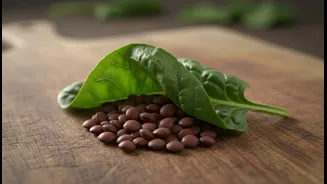
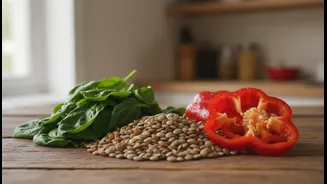
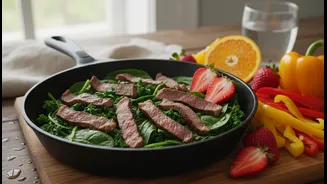
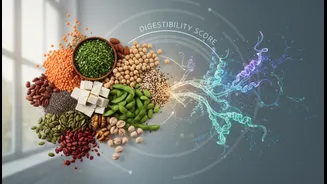
First, it's important to understand that dietary iron comes in two forms: heme and non-heme. Heme iron, found in animal products like meat, fish, and poultry, is easily absorbed by the body. Plant-based foods like lentils, beans, tofu, spinach, and fortified
cereals contain only non-heme iron. While these are excellent sources, non-heme iron is less bioavailable, meaning your body has a harder time absorbing it. Absorption rates for non-heme iron can be as low as 2%, compared to up to 30% for heme iron. This doesn't mean vegetarians or vegans are doomed to be deficient; it simply means you have to be more strategic about how you build your meals.
The Undisputed Champion: Vitamin C
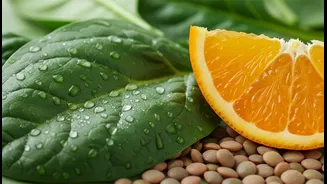
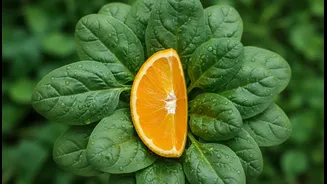
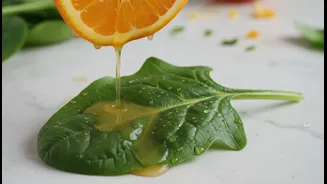
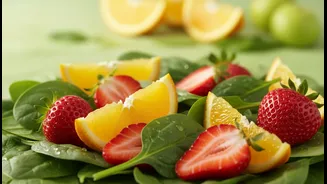
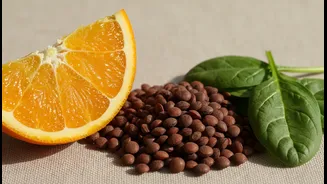
If non-heme iron has a best friend, it’s undoubtedly Vitamin C. Decades of nutrition research confirm that Vitamin C is the most powerful enhancer of non-heme iron absorption. It works in two key ways: first, it converts iron from its ferric (Fe³⁺) state to the more soluble ferrous (Fe²⁺) state, which is the form your intestines can readily absorb. Second, it forms a protective complex with the iron, preventing it from binding with other dietary compounds that block absorption. Studies show that adding even a modest amount of Vitamin C to a meal can increase non-heme iron absorption by two to three times, and in some cases, even more.
Power Pairings for the Indian Plate
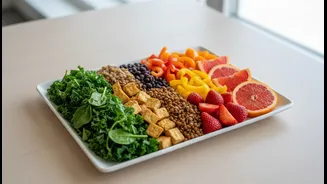
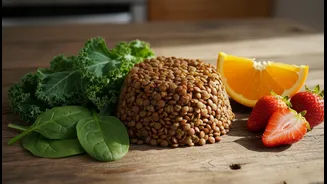
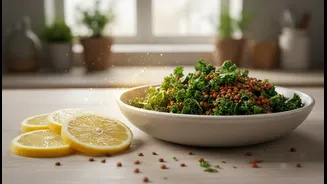
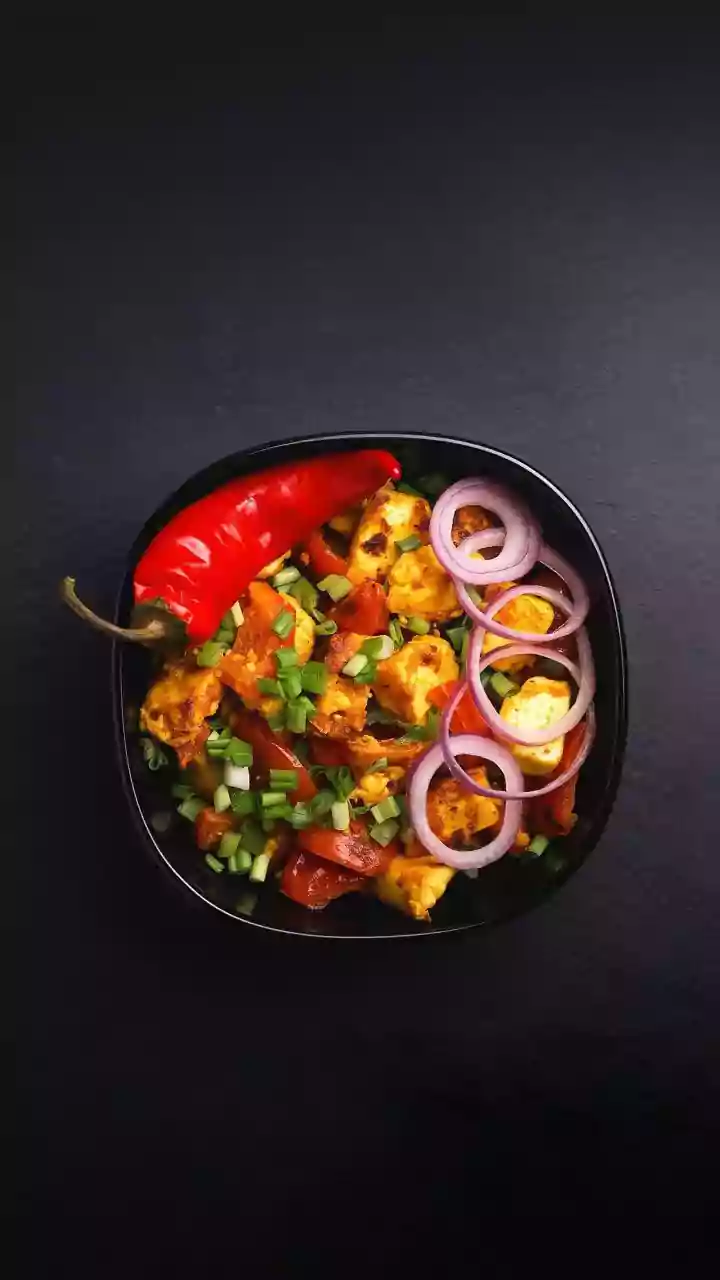
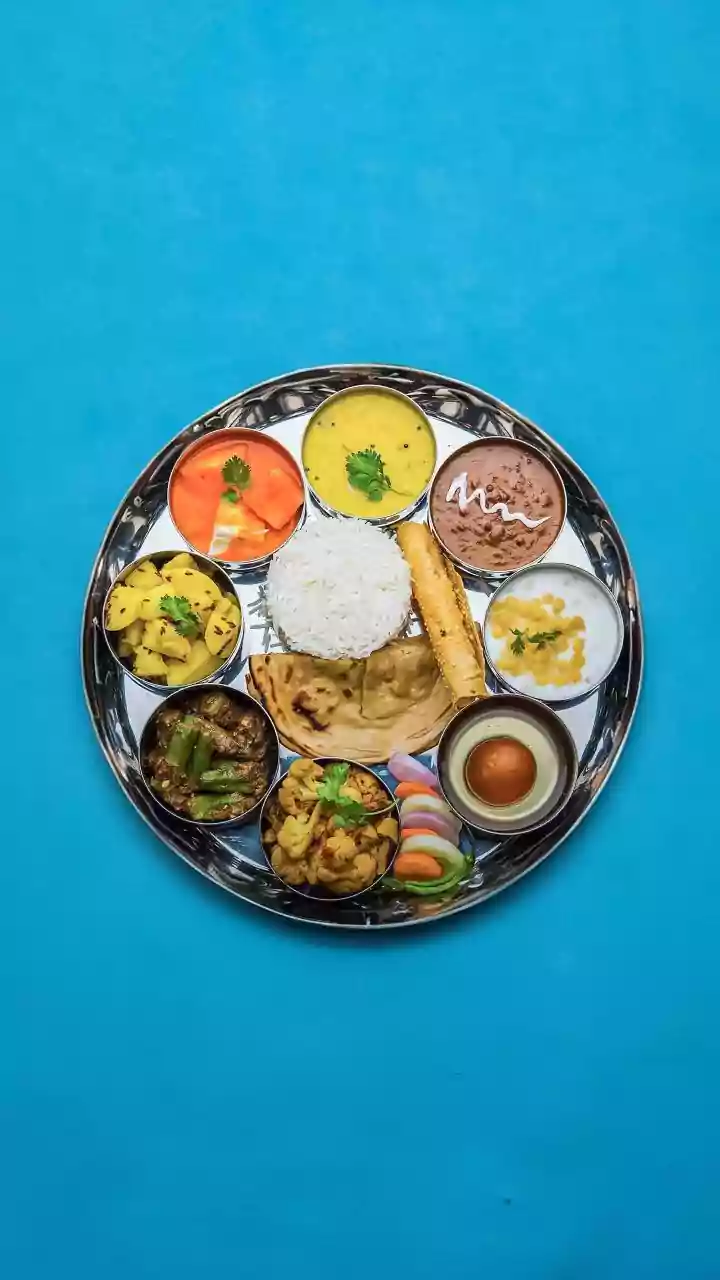
Putting this science into practice is simple and delicious. The goal is to combine an iron-rich plant food with a Vitamin C-rich one in the same meal. Many traditional Indian meals already do this naturally. Here are some effective combinations: Dal with a Squeeze of Lemon: A classic for a reason. Whether it's toor, masoor, or moong dal, a generous squeeze of fresh lemon juice over your bowl significantly boosts iron uptake. Palak Paneer with Tomatoes: Spinach (palak) is rich in iron, and the tomatoes that form the base of the gravy are a great source of Vitamin C. Chole/Chana Masala: Chickpeas are a solid source of iron, and this popular dish is typically made with a base of tomatoes, onions, and often finished with a sprinkle of amchur (dried mango powder), all of which provide Vitamin C. Bajra Roti with Green Chutney: Pearl millet (bajra) is an iron-rich grain. Pairing it with a fresh coriander-mint chutney that has lemon juice in it creates a perfect partnership. Sprouted Moong Salad: Sprouted beans have better nutrient availability. Combine them with chopped tomatoes, capsicum (bell peppers), and a lemon dressing for an iron- and C-vitamin-packed meal.
The Absorption Blockers to Avoid
Just as important as knowing what to pair with your iron is knowing what to avoid—or at least, when to consume it. Certain compounds, often called 'anti-nutrients,' can significantly inhibit non-heme iron absorption. Tannins and Polyphenols: Found in tea and coffee, these compounds are potent iron inhibitors. Drinking black tea with a meal can reduce iron absorption by over 60%, and coffee can inhibit it by up to 60%. Even decaf versions have the same effect. The solution? Enjoy your chai or coffee at least one to two hours before or after your iron-rich meals. Phytates: These are present in whole grains, legumes, nuts, and seeds. While these foods are healthy, phytates can bind to iron and reduce its absorption by 50% or more. You can reduce the phytate content by soaking, sprouting, or fermenting your grains and legumes before cooking. Calcium: Calcium competes with iron for the same absorption pathways in your gut. This means having dairy products like milk, paneer, or yoghurt at the same time as your main iron source can reduce its uptake. Try to space out your calcium and iron-heavy meals.