








Why Rain Multiplies Food Risk
The monsoon season creates a highly fertile environment for pathogens to thrive. [3] The combination of high humidity, increased moisture, and ambient temperatures provides a perfect climate for bacteria, fungi, and viruses to grow and spread rapidly.
[2, 6] This microbial growth happens everywhere: in food stored without proper refrigeration, on vegetables that have been sitting out, and in water that may appear clean but has been contaminated. [2] According to the Food Safety and Standards Authority of India (FSSAI), the risk of food-related diseases increases significantly during this time. [6] High humidity accelerates food spoilage, and moisture can cause dry goods to clump, change texture, and become susceptible to mould. [3, 18]
The Water Danger
A primary concern during the monsoon is the contamination of drinking water. [12] Heavy rains can cause sewage and other contaminants to overflow into the drinking water supply. [2] This significantly increases the risk of developing serious waterborne illnesses like gastroenteritis, typhoid, cholera, and hepatitis A. [2, 3] In many Indian cities, ageing water pipelines run alongside sewage lines, and seasonal fluctuations in water quality are common during the monsoon. [2] This means that even water that looks clear can contain harmful microorganisms if it hasn't been properly filtered or boiled. [2] It is estimated that nearly 70% of all disease outbreaks reported by India's Ministry of Health and Family Welfare are waterborne. [2]
Common Monsoon Illnesses
Several diseases see a sharp spike during the rainy season due to contaminated food and water. Gastroenteritis, or 'stomach flu', is one of the most common, causing stomach cramps, nausea, and diarrhoea. [3] Typhoid fever, caused by Salmonella Typhi bacteria, is another major threat, spreading through contaminated food and water and manifesting as prolonged fever and abdominal pain. [3, 19] Cholera, which can cause severe dehydration within hours, also sees outbreaks during this season. [3] Other risks include Hepatitis A, a viral infection that affects the liver, and general food poisoning from bacteria like E. coli and Salmonella. [7, 10]
Red Flags in the Hostel Mess
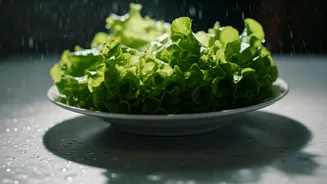
When eating in a hostel mess, a few visual cues can help you gauge food safety. Be wary of any food that has been left uncovered, as it is exposed to flies and a humid environment perfect for bacterial growth. [6] Raw foods, like salads or pre-cut fruits, are particularly risky during the monsoon and are best avoided. [2, 6] Pay attention to the general cleanliness of the kitchen and dining area; sanitized countertops and clean utensils are fundamental to food safety. [6, 7] Also, question the source of the drinking water. Unless you are certain it is boiled or properly filtered, it's safer to stick to your own bottled or purified water. [7, 12]
Your Personal Safety Checklist
Beyond observing the kitchen, adopting personal habits is key. Always opt for freshly prepared, hot meals, as high temperatures kill most harmful bacteria. [4] Avoid reheated leftovers when possible. [2] Be cautious with chutneys, sauces, and other raw accompaniments, as these are often where contamination occurs. [4] Wash your hands thoroughly with soap and water before every meal. [7] When it comes to street food, exercise extreme caution. While a hot, freshly fried snack might be relatively safe, items like pani puri, pre-cut fruit chaat, and juices from street vendors carry a very high risk due to questionable water sources and prolonged exposure to the humid air. [2, 4]