






What Exactly Is a Monsoon 'Pause'?
Think of the monsoon's advance across India not as a steady, unstoppable march, but more like a long-distance runner who occasionally needs to catch their breath. A 'pause' or a 'hiatus' in the monsoon is a fairly common phenomenon where the rain-bearing
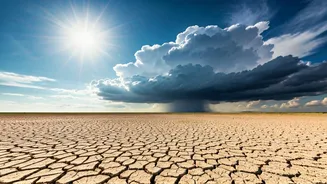
winds temporarily stop progressing into new areas. During this period, the northern limit of the monsoon—the imaginary line marking its furthest reach—remains stagnant for several days. While regions that the monsoon has already covered might still receive some rain, the areas ahead of this line remain dry. These breaks are a normal part of the monsoon's complex dynamics and can last anywhere from a few days to over a week. The concern isn't that the pause is happening, but rather how long it lasts and the crucial time it occurs, especially during the peak season for sowing crops.
Why Have the Winds Stalled This Time?
The primary reason for the current stall is the absence of a strong weather system to pull the monsoon current further inland. According to the India Meteorological Department (IMD), the monsoon needs a 'driver'—typically a low-pressure area or a cyclonic circulation forming over the Bay of Bengal or the Arabian Sea—to give it the necessary push northward. In recent days, these favourable systems have been weak or absent. Without this pull, the monsoon winds lose their momentum and stagnate. Furthermore, strong westerly winds from the Arabian Sea have been preventing the easterly winds from the Bay of Bengal from moving into the northern plains, creating a meteorological gridlock. This lack of a potent trigger has effectively put the brakes on its advance into parts of Gujarat, Madhya Pradesh, Uttar Pradesh, and beyond.
The Map of an Uneven Monsoon
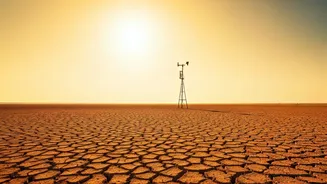
The story of this year's monsoon so far is one of two halves. The southern peninsula, including Kerala, Karnataka, and parts of Maharashtra, along with the northeastern states, received the monsoon on schedule, with some areas even experiencing heavy rainfall. However, the pause has left a significant portion of the country waiting. The dry spell is most acute in the central and northern plains. Key agricultural states like Uttar Pradesh, Bihar, Jharkhand, and parts of Madhya Pradesh are experiencing a rainfall deficit. This is happening while these same regions are simultaneously battling intense heatwave conditions, with temperatures soaring well above 40 degrees Celsius. This combination of no rain and extreme heat creates a particularly challenging situation for both agriculture and daily life.
The Real-World Impact on Farms and Cities
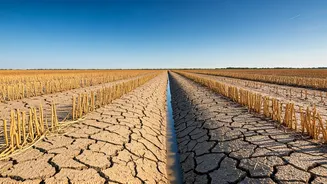
This delay is more than just a weather report; it has tangible consequences. For millions of farmers, the timing of the monsoon's arrival is critical for sowing Kharif (monsoon) crops like paddy, soybean, cotton, and pulses. A prolonged delay can shrink the sowing window, potentially affecting crop yields and, by extension, food prices and the rural economy. The lack of rain also puts immense pressure on groundwater and reservoir levels, which are already depleted after a harsh summer. In cities across North India, the monsoon's arrival is eagerly awaited for relief from scorching heatwaves. The delay means continued high power consumption for air conditioning, increased risk of heat-related illnesses, and a general sense of fatigue as the wait for cooler, wetter weather continues.
When Is Relief Expected to Arrive?
The crucial question on everyone's mind is: when will it start raining again? Weather models and IMD forecasts indicate that conditions are expected to become favourable for the monsoon's revival soon. Meteorologists are monitoring the potential formation of a cyclonic circulation over the Bay of Bengal, which could act as the much-needed trigger to pull the monsoon current into the central and northern plains. While predicting the exact date is always tricky, current indications suggest that the monsoon could resume its journey within the next week. Once it revives, it is expected to advance rapidly, bringing much-needed rain and relief from the heatwave to the parched regions of North India.