






Air Travel: Brace for Delays and Diversions
The monsoon season is a critical time for India's aviation sector, often leading to schedule disruptions. Heavy rainfall, low visibility, and strong crosswinds can make take-offs and landings challenging, prompting delays, diversions, and sometimes cancellations.
As of late June 2026, the monsoon's arrival in Mumbai has already affected flight operations, with authorities advising travellers to check their flight status before heading to the airport. In Kolkata, a lightning strike on an aircraft during a thunderstorm highlighted the weather's potential impact. While some recent international flight reductions by carriers like Air India are tied to operational costs and geopolitical issues, the monsoon adds another layer of unpredictability to domestic travel. To mitigate issues, passengers should subscribe to airline alerts, monitor real-time flight tracking apps, and allow for extra travel time to and from the airport, as waterlogging can slow city traffic.
Indian Railways: Navigating a Revised Network
Indian Railways, the backbone of national transport, implements significant operational changes during the monsoon to ensure passenger safety. Waterlogging on tracks, landslides in hilly terrains, and engineering works are primary concerns. On June 24, heavy rains in Mumbai led to the flooding of tracks in low-lying areas, disrupting suburban services, especially on the Central Railway's Trans-Harbour line where a track cave-in occurred. In response to the season, the Konkan Railway, which traverses a region prone to landslides, has activated its monsoon timetable, effective from mid-June to October 2026. This involves reduced speeds in vulnerable sections and revised schedules for many trains, including Vande Bharat and Duronto Express services. Indian Railways has also announced cancellations and diversions on other major routes due to maintenance work designed to keep tracks safe during peak rains. Travellers are strongly advised to use the National Train Enquiry System (NTES) app or call the 139 helpline for the most current information on their train's status before starting their journey.
On the Road: A Call for Extreme Caution
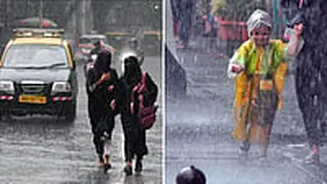
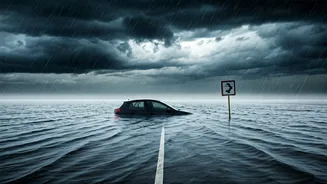
Road travel, whether within cities or on highways, becomes particularly hazardous during the monsoon. The season's first heavy showers in Mumbai on June 24 caused extensive waterlogging, turning key roads into traffic choke points and leaving commuters stranded. The India Meteorological Department (IMD) has issued warnings for heavy rainfall in several regions, including the Konkan coast, Goa, and parts of Maharashtra, which increases the risk of urban flooding and landslides in ghat sections. Incessant rains in North Bengal and Sikkim have already triggered landslides and caused a bridge to collapse in Darjeeling, halting vehicular traffic. Before embarking on a road trip, it is crucial to check your vehicle's tyres, brakes, and wipers. Plan your route using real-time traffic apps and follow advisories issued by traffic police. Avoid driving through waterlogged streets, as they can conceal open drains and deep potholes. For those travelling in hilly areas, be aware of landslide warnings and have alternative routes planned.
Planning Your Monsoon Journey: A Traveller's Checklist
Despite the challenges, travel during the monsoon can be a rewarding experience, with lush landscapes and fewer crowds. However, it demands meticulous planning. The IMD provides regular updates and colour-coded alerts (Green, Yellow, Orange, Red) that are essential for any traveller to monitor. Always have a flexible itinerary with buffer days to account for potential delays. Pack a waterproof bag with essentials, including rain gear, a power bank for your devices, and any necessary medications. Keep digital and physical copies of your tickets and identification. For accommodation, book places that are known to be safe and accessible during heavy rains. Most importantly, stay informed through official channels like the IMD, airline websites, and railway enquiry systems rather than relying on unverified social media forwards. Prioritizing safety over speed is the cardinal rule of monsoon travel.