





The Monsoon's Bounty
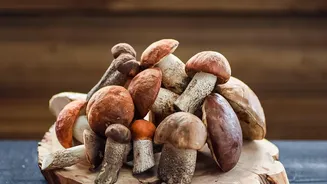
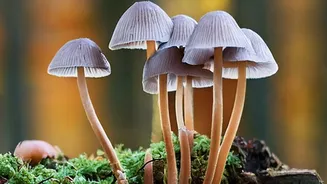
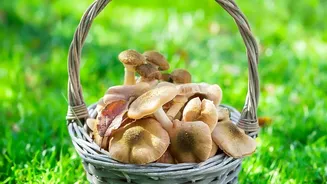
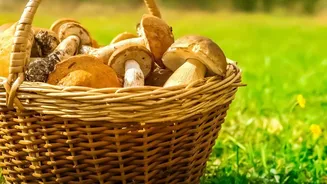
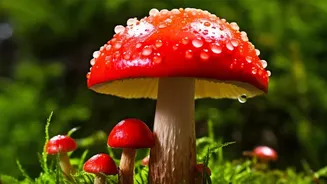
With the first showers, forested areas and even termite mounds across India come alive with a variety of edible fungi. For generations, local communities, particularly in regions like Goa, Jharkhand, and the Western Ghats, have foraged for these seasonal
treasures. Varieties like 'Olmi' in Goa, which grow on termite hills, and 'Rugda' in Jharkhand, are not just food but a part of cultural tradition. These mushrooms, such as the Termitomyces species, cannot be commercially cultivated, making their brief appearance each monsoon a highly anticipated event for gourmands. Their fleeting availability and unique, robust flavours make them a prized ingredient, often fetching high prices in local markets.
Beyond the Button Mushroom
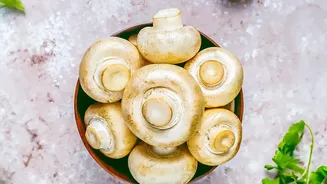
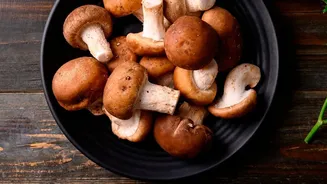
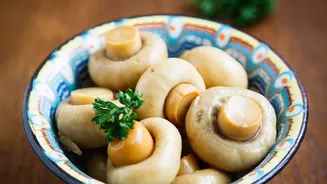
For years, the common button mushroom was the standard for most Indian households. However, a significant shift is underway. Indian consumers are becoming more adventurous, driven by a desire for new culinary experiences and greater exposure to global cuisines. This has fueled a growing demand for specialty and exotic mushrooms like oyster, shiitake, portobello, and enoki. Once confined to high-end restaurants, these varieties are now making their way into home kitchens. The distinct textures and flavours—from the delicate, shell-like oyster mushrooms to the meaty shiitake—offer a completely different experience from the familiar button mushroom.
A Canvas for Kitchen Creativity
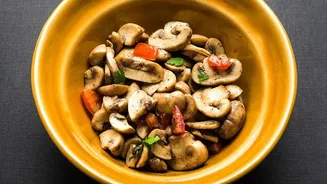
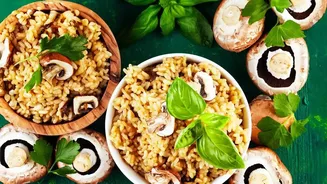
This newfound appreciation for diverse mushrooms has unleashed a wave of creativity among home cooks. While traditional preparations like Goan Xacuti or a simple chilli-fry remain beloved, cooks are now experimenting with a much broader range of recipes. The earthy, nutty notes of wild mushrooms and the umami-richness of gourmet varieties are being incorporated into everything from Italian pasta and risotto to Asian stir-fries and hearty broths. Even traditional recipes are getting a modern twist, with chefs and home cooks alike finding new ways to highlight the unique characteristics of each mushroom variety. This culinary exploration is supported by a wealth of online recipes and cooking shows that provide inspiration and guidance.
The Health and Wellness Factor
The mushroom boom is also closely linked to a rising health consciousness across the country. Mushrooms are a nutritional powerhouse, packed with protein, fiber, vitamins (especially B vitamins and Vitamin D), and essential minerals like selenium and copper. They offer a fantastic, low-calorie, plant-based source of protein, making them an excellent meat substitute for a growing vegetarian and vegan population. Their rich umami flavour allows for reduced salt content in dishes without sacrificing taste. As people increasingly look for functional foods that offer health benefits beyond basic nutrition, mushrooms fit the bill perfectly, supporting everything from immune function to gut health.
Improved Access and Availability
This trend wouldn't be possible without a significant improvement in the supply chain. Just a few years ago, finding anything beyond button mushrooms was a challenge. Today, thanks to a burgeoning domestic cultivation industry, specialty mushrooms are more accessible than ever. Urban farmers and commercial growers are cultivating a wide array of exotic varieties to meet the rising demand. These fresh, high-quality mushrooms are now readily available in supermarkets, at local farmers' markets, and through online delivery platforms, bringing the world of gourmet fungi directly to the home cook's doorstep. Home growing kits are also gaining popularity, allowing enthusiasts to cultivate their own fresh supply.