
The Plant-Based Nutrient Puzzle
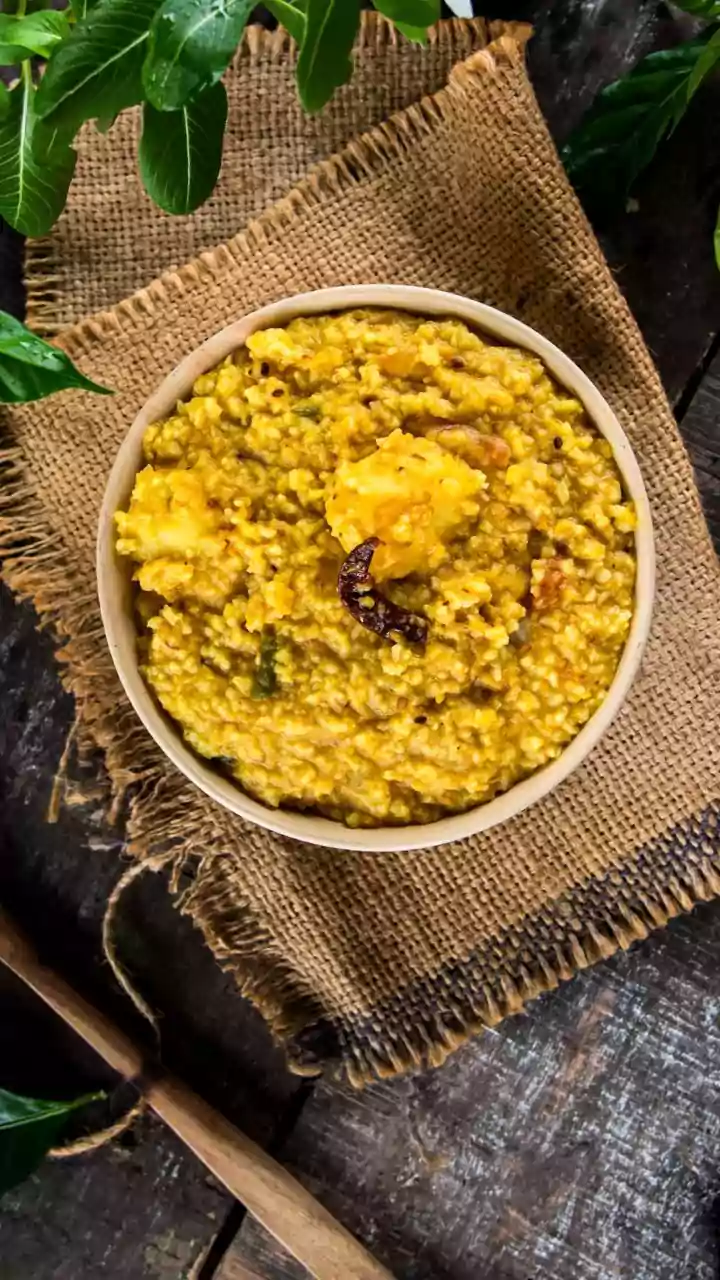
Plant-based foods like dals, legumes, and leafy greens are packed with protein and essential minerals like iron. However, their full nutritional potential is often locked away by compounds called 'anti-nutrients', such as phytates and polyphenols. These
substances, naturally present in plants, can bind to minerals, particularly non-heme iron (the type found in plants), making it harder for your body to absorb them. This doesn't mean these foods are bad—far from it. It simply means a little kitchen wisdom is needed to unlock their complete benefits and ensure your body gets the nourishment it needs.
Vitamin C: The Key to Absorption
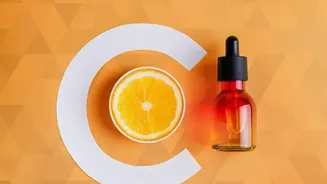
This is where Vitamin C, or ascorbic acid, becomes your meal's best friend. Its primary superpower in this context is its ability to enhance non-heme iron absorption. It works in two main ways. First, it converts iron into a form that is much easier for your intestines to absorb. Second, it forms a protective bond with the iron, shielding it from the effects of inhibitors like the phytates in your grains and the tannins in your post-meal tea. By ensuring you absorb more iron, Vitamin C improves the entire nutritional profile of your plant-based meal, supporting everything from energy levels to overall health.
Hack 1: The Simple Squeeze
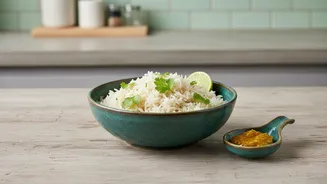
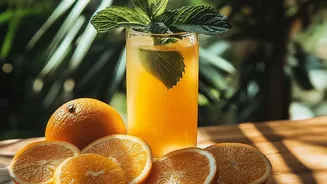
The easiest way to incorporate this hack into your daily Indian cooking is with a simple squeeze of lemon or lime. This is a practice already common in many households for flavour, but it has profound nutritional benefits. A generous squeeze of lemon juice over a bowl of dal, a plate of chana masala, or a sabzi just before serving adds a fresh zing and a potent dose of Vitamin C. This small act helps your body draw significantly more iron and other nutrients from the legumes and vegetables, making your everyday meal a nutritional powerhouse.
Hack 2: Master Smart Pairings
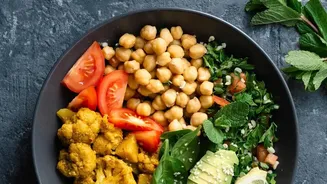
Beyond citrus, think about pairing your main protein source with a Vitamin C-rich vegetable in the same meal. For example, cooking chickpeas (chana) with a rich tomato base isn't just for taste; the tomatoes provide the Vitamin C needed to boost iron uptake. Similarly, adding bell peppers (capsicum) of any colour to a bean curry or a tofu stir-fry is a fantastic strategy. Even a simple kachumber salad with tomatoes, onions, and cucumber served alongside your meal provides a sufficient Vitamin C boost. Another great combination is a spinach salad topped with strawberries or orange slices.
Hack 3: Don't Forget Fruits and Chutneys
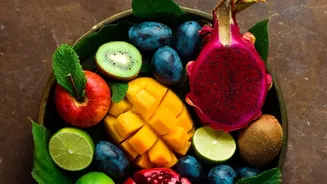
Don't limit your thinking to just vegetables. Many fruits are packed with Vitamin C and can be easily incorporated. A small bowl of papaya or a few slices of guava as part of your meal can significantly increase nutrient absorption. In fact, one study highlighted that consuming guava with dal improved haemoglobin levels in children. Another traditionally brilliant Indian food hack is serving a fresh chutney. A chutney made from fresh coriander, mint, and amla (Indian gooseberry) is an exceptionally rich source of Vitamin C that perfectly complements a meal of rice, dal, and roti.
Hack 4: Mind Your Cooking and Timing
To get the maximum benefit, it's important to consume your Vitamin C source with your iron-rich meal, not hours apart. The interaction happens in your gut during digestion. Also, be mindful of how you cook. Vitamin C is sensitive to heat and can be destroyed by prolonged cooking. This is why adding a squeeze of lemon at the end, or serving a fresh, raw salad or chutney on the side, is often more effective than cooking the Vitamin C source for a long time. Quick cooking methods like stir-frying or steaming are better at preserving the vitamin.