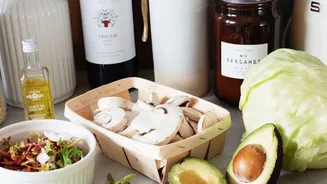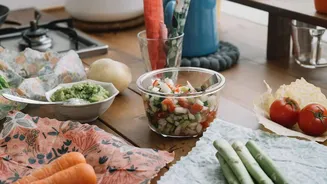


The daily question of 'What's for dinner?' can feel like a second job for busy working couples. Batch cooking offers a simple, powerful solution: invest a few hours on one day to reclaim your weeknights entirely.
The Freedom of 'Cook Once, Eat Twice'
Batch cooking is a lifestyle shift disguised
as a kitchen strategy. The concept is simple: dedicate a single block of time, often on a weekend, to prepare multiple meals or meal components at once. The payoff is immense. It dramatically reduces the daily stress of deciding what to make, saves countless hours in the kitchen during the week, and cuts down on both food waste and the temptation to order expensive takeout. For couples juggling two careers, this separation of 'cooking days' from 'eating days' isn't just about convenience; it's about creating more quality time together. Instead of rushing to chop and sauté after a long workday, you can simply reheat a wholesome, home-cooked meal and focus on each other.
Your First Batch-Cooking Game Plan
Getting started doesn't have to be overwhelming. Success begins with a simple plan. First, choose two or three recipes that you both enjoy and that hold up well, like stews, chillis, dals, or pasta sauces. Next, create a detailed shopping list based on those recipes. This prevents mid-cooking panic and helps you buy in bulk where it makes sense, saving money. Finally, block out a two-to-three-hour window for your cooking session. Work as a team: one person can chop vegetables while the other manages the stovetop, turning the prep session into a productive, shared activity. The goal is to create a system that works for your rhythm as a couple.
Two Smart Batching Styles
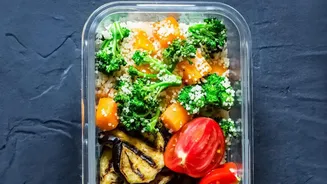
There are two main ways to approach batch cooking. The first is preparing complete, ready-to-eat meals. Think a large pot of chicken curry or a baked ziti that can be portioned out for the week. The second, more flexible method is 'component prepping'. This involves preparing individual ingredients that can be mixed and matched later. For example, you might cook a large batch of quinoa, roast a tray of vegetables, grill several chicken breasts, and make a versatile sauce. This allows you to assemble different meals—like a grain bowl one night and a chicken salad the next—preventing flavour fatigue. Many couples find a hybrid approach works best.
Essential Gear and Safe Storage
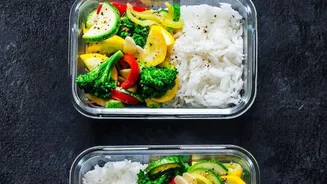
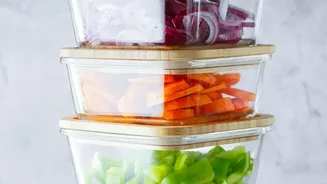
You don't need a professional kitchen, but a few key items make batch cooking much easier. A good set of airtight containers is nonstoppable for keeping food fresh. Glass containers are great as they don't absorb odours and can often go from the freezer to the microwave. Freezer_safe bags are also excellent for storing soups and stews flat, saving precious freezer space. Always label every container with the dish name and the date it was made. As a rule of thumb, refrigerated meals should be eaten within three to four days, while most frozen meals will last for two to three months. For safety, cool food quickly by dividing large batches into smaller, shallow containers before refrigerating or freezing.
Winning Meal Ideas for Two
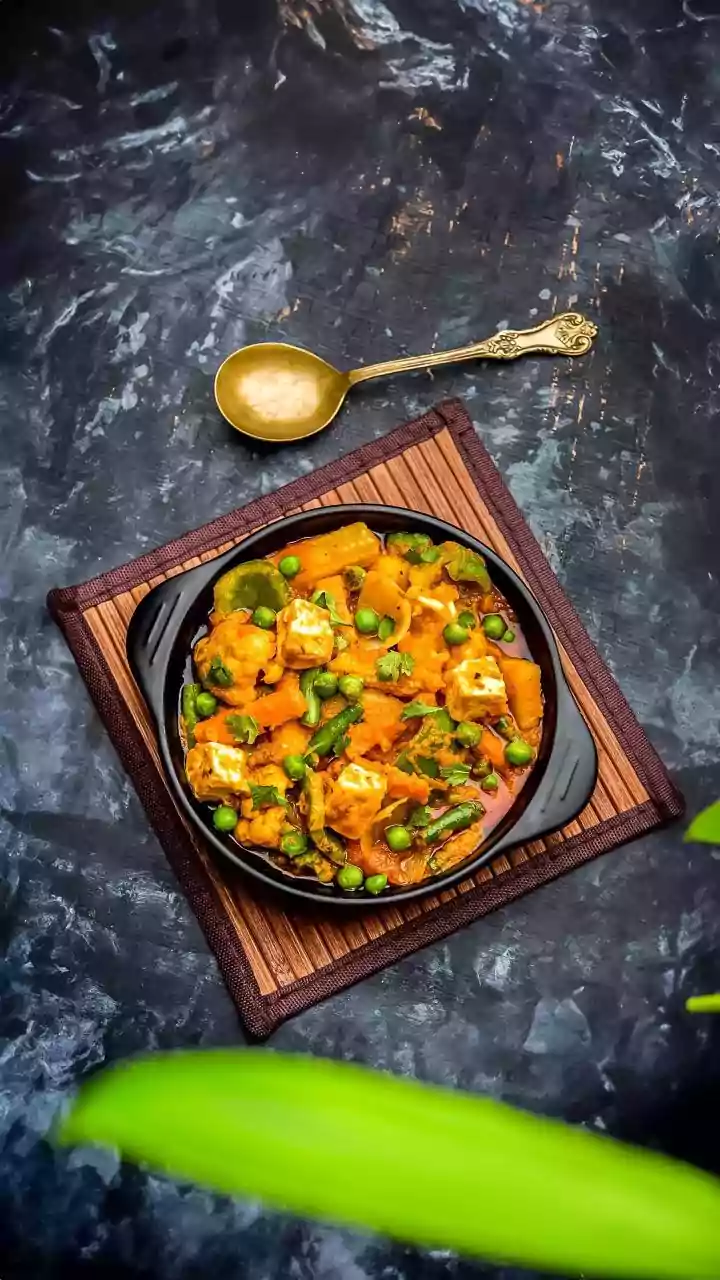
Not all foods are created equal when it comes to batch cooking. The best recipes are those that taste just as good, if not better, a few days later. Soups, stews, and curries are champions in this category, as their flavours meld and deepen over time. Pulled chicken or pork made in a slow cooker, a big batch of taco meat, or a hearty bolognese sauce are incredibly versatile bases for multiple meals. Roasted root vegetables hold their texture well, as do grains like rice and quinoa and legumes like lentils and chickpeas. Avoid batch cooking meals with delicate greens that will wilt or creamy sauces that might separate upon reheating.