



A Primer on Dietary Fats
Before comparing ghee and oils, it's crucial to understand the main types of fats. Dietary fats are broadly categorized into saturated and unsaturated fats. Saturated fats are solid at room temperature and found in foods like butter, ghee, coconut oil,
and fatty meats. A diet high in saturated fat has been linked to elevated levels of low-density lipoprotein (LDL), often called 'bad' cholesterol, which is a significant risk factor for heart disease. Unsaturated fats, which are typically liquid at room temperature, are divided into monounsaturated and polyunsaturated fats. These are found in plant-based oils like mustard, groundnut, and sunflower oil, as well as in nuts and seeds. When they replace saturated fats, unsaturated fats can help lower bad cholesterol levels and reduce the overall risk of heart disease.
Understanding Traditional Ghee
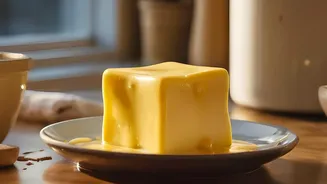
Ghee is a form of clarified butter made by simmering butter until the water evaporates and the milk solids are removed. This process gives it a high smoke point (around 250°C), making it suitable for high-heat cooking and deep frying. Nutritionally, ghee is primarily composed of saturated fat, approximately 62%. While it contains beneficial compounds like butyric acid and fat-soluble vitamins A, D, E, and K, its high saturated fat content is a point of concern for cardiovascular health. Excessive consumption of ghee can contribute to increased LDL cholesterol levels. While it's not necessary to eliminate it entirely, cardiologists often recommend limiting its intake, especially for individuals with existing heart conditions or high cholesterol.
The Case for Cold-Pressed Oils
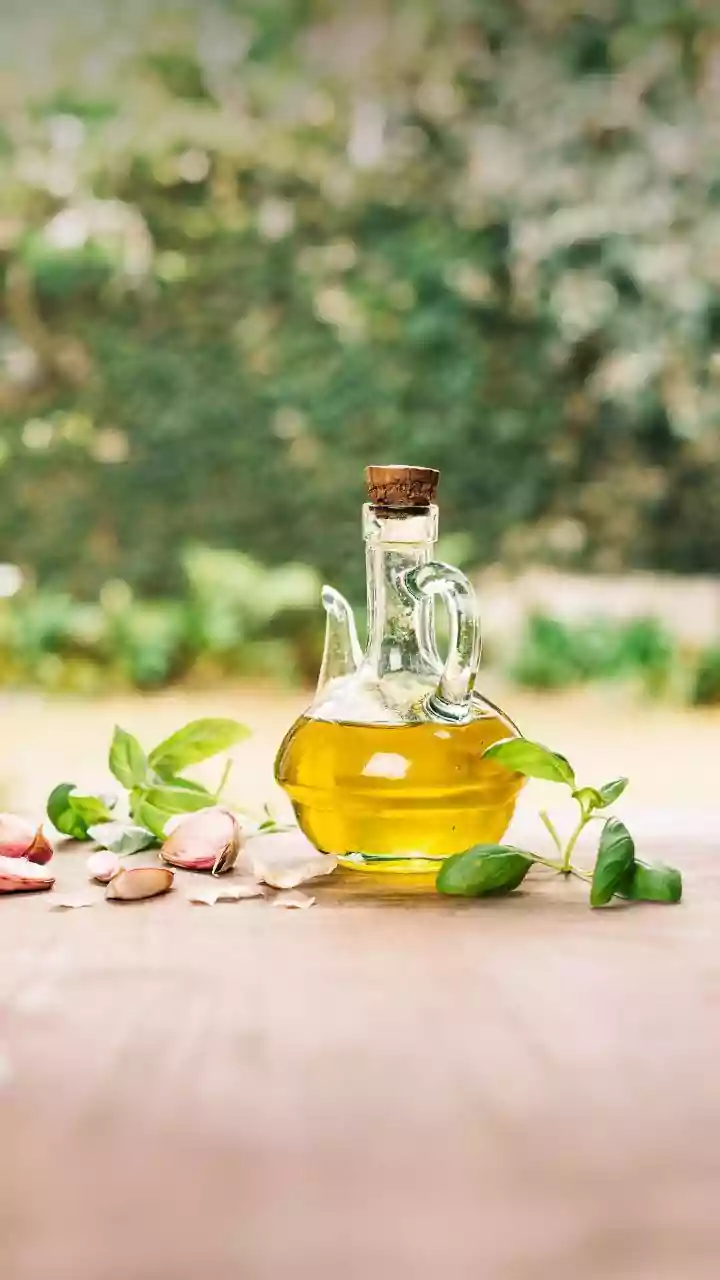
Cold-pressed oils are extracted from seeds or nuts without using high heat or chemical solvents. This gentle extraction method helps retain more of the oil's natural nutrients, antioxidants, vitamins, and flavour. Oils like cold-pressed mustard, groundnut, and sesame are rich in monounsaturated and polyunsaturated fats (MUFAs and PUFAs). For example, mustard oil is a great source of both MUFAs and PUFAs, including omega-3 fatty acids, which are known to be beneficial for heart health. These unsaturated fats play a key role in managing cholesterol levels. They help reduce LDL ('bad') cholesterol while potentially maintaining or improving HDL ('good') cholesterol.
The Impact on Your Heart
The primary reason unsaturated fats from cold-pressed oils are considered more heart-healthy than the saturated fats in ghee lies in their effect on cholesterol. High levels of LDL cholesterol lead to the buildup of fatty plaques in the arteries, a condition known as atherosclerosis. This narrows the arteries and increases the risk of heart attacks and strokes. Diets rich in monounsaturated and polyunsaturated fats actively work against this process. Furthermore, some cold-pressed oils offer additional benefits. Mustard oil, for instance, provides a plant-based source of omega-3 fatty acids (ALA), which many Indian diets lack. A balanced ratio of omega-6 to omega-3 fatty acids is crucial for reducing inflammation, another key factor in heart disease. Ghee, being an animal product, does not provide these essential omega-3s.
A Balanced Approach in the Kitchen
This doesn't mean ghee has no place in a healthy diet. Its high smoke point makes it a stable choice for certain cooking methods, and it provides fat-soluble vitamins that plant-based oils may lack (with the exception of vitamin E). However, for daily cooking, a shift towards unsaturated fats is recommended by health experts. The Indian Council of Medical Research (ICMR) dietary guidelines advise moderate use of edible oils and minimum use of ghee and butter. A practical approach is to rotate your cooking fats. Using cold-pressed mustard, groundnut, or sesame oil for everyday cooking like preparing sabzis and dals, while reserving ghee for occasional high-heat cooking or for flavouring rotis and rice, can provide a better balance of fatty acids. This strategy allows you to reap the benefits of unsaturated fats while still enjoying the traditional taste of ghee in moderation.