







Swap Heavy Drapes for Sheer Curtains
Thick, opulent curtains made of velvet or heavy cotton are a major mistake during the monsoon. They block what little natural light is available, making rooms feel dark and dreary. More importantly, they absorb a tremendous amount of moisture from the air,
taking ages to dry and becoming breeding grounds for mould and mildew. This can lead to a persistent musty smell that permeates the entire room. The sensible solution is to switch to lightweight and sheer fabrics like cotton voile, linen, or lace. These materials allow maximum light to filter through, brightening up your space instantly. They also dry quickly and don't trap dampness, which helps maintain better air circulation and keeps your home smelling fresh.
Roll Up the Thick Carpets
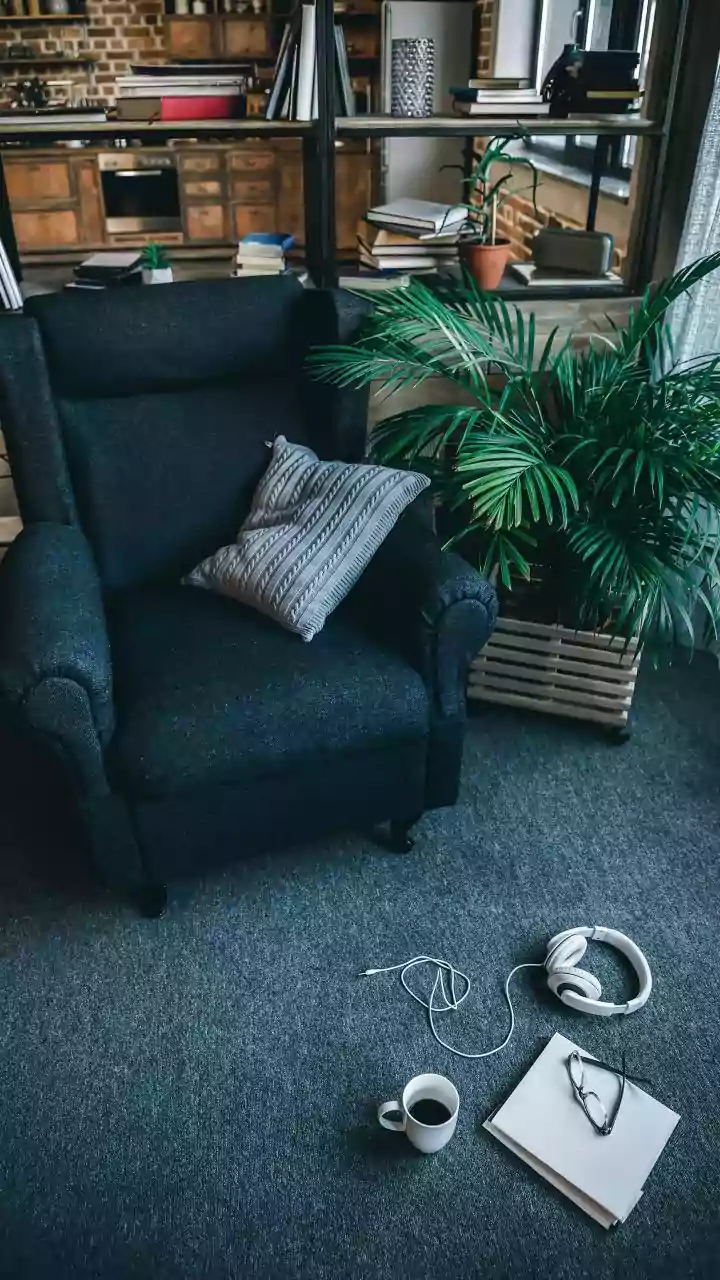
Plush, high-pile carpets and rugs feel wonderful underfoot in cooler, drier months, but they become a liability during the rains. Like heavy drapes, they act like giant sponges, soaking up humidity and any moisture tracked in from outside. This makes them difficult to clean and creates a perfect environment for fungal growth and unpleasant odours. It’s wise to roll them up and store them away until the season passes. If you dislike bare floors, opt for practical alternatives like cotton dhurries, bamboo mats, or washable, short-piled rugs made from synthetic fibres. These options are easier to clean, dry faster, and don't hold onto moisture, making them a far more hygienic choice for the monsoon.
Rethink Upholstery and Cushion Covers
That luxurious velvet sofa or those suede cushion covers can become sticky and uncomfortable in high humidity. These dense fabrics trap heat and moisture, making them feel perpetually damp and promoting the growth of mildew. Instead of rich, heavy textiles, embrace breathable and lightweight fabrics. Change your cushion covers, throws, and bed linens to options made from cotton, linen, or cotton-poly blends. These materials are not only more comfortable in humid weather, but they are also easier to wash and dry, which is a practical necessity during a season where laundry takes longer to air out. Using washable slipcovers on sofas is another smart move to protect your furniture and keep it fresh.
Care for Your Wooden Furniture
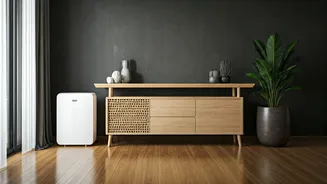
Wood is particularly vulnerable to the monsoon's high humidity. It naturally absorbs moisture from the air, which can cause it to swell, warp, and even grow mould. This can lead to drawers and doors that stick and a tacky feeling on surfaces. To protect your wooden pieces, try to keep them a few inches away from damp walls to ensure proper air circulation. Applying a coat of wax or varnish before the season begins can create a protective barrier against moisture. Placing camphor balls or silica gel pouches inside closed cabinets and wardrobes is a classic Indian trick to absorb excess moisture and ward off musty smells and insects.
Combat the Gloom and Odour
With grey skies outside, it's important to make your home feel bright and cheerful inside. Introduce pops of vibrant colour through your new lightweight cushion covers, throws, or artwork. Sunny yellows, bright greens, and cheerful blues can instantly lift the mood. Mirrors are another excellent tool; placing them strategically can reflect light and make a room feel more spacious and brighter. To combat the inevitable musty monsoon smell, ensure good ventilation whenever there's a break in the rain. Use natural air fresheners like scented candles, essential oil diffusers with lemongrass or eucalyptus oil, or bowls of fragrant potpourri. These small touches create a warm, inviting, and pleasant-smelling atmosphere to help you enjoy the beauty of the season from the comfort of your home.